
Contents
For many travellers, a first trip to Asia feels significant long before it begins. It may be a journey that has been planned for years, a destination that has occupied space on a travel wish list, or perhaps an opportunity to experience cultures and landscapes that feel entirely different from home. There is often a sense that this trip will provide a broad understanding of the region, or at least enough of it to satisfy a long-held curiosity.
Yet many travellers return home with an unexpected feeling. Rather than feeling as though they have “done” Asia, they realise they have only experienced a small part of it. This is something travel specialists such as Experience Travel Group, who create thoughtfully tailored holidays in Asia, understand well. Asia has a way of revealing just enough to spark curiosity while quietly suggesting there is much more waiting beyond the horizon. For many people, the first trip becomes less of a conclusion and more of an introduction.

Asia Rarely Matches A Single Expectation
One reason travellers return is because Asia rarely conforms to a single idea. Before arriving, people often carry certain images with them. They may imagine bustling cities, ornate temples, colourful markets or tropical beaches. These elements certainly exist, but they represent only fragments of a much larger picture.
The reality is far more layered. A journey through Japan feels entirely different from one through India. The atmosphere of Sri Lanka bears little resemblance to Vietnam, while Indonesia offers experiences that contrast sharply with those found in Thailand. The first lesson many travellers learn is that Asia cannot easily be summarised. It is too diverse, too varied and too complex for that. Once that becomes clear, the desire to explore further often follows naturally.
One Trip Often Introduces You To Only One Side Of The Region
Part of the challenge is scale. Asia is enormous, both geographically and culturally. Even an ambitious itinerary only reveals a small section of what the continent offers.
A traveller may spend two weeks exploring Japan and come away fascinated by its traditions, efficiency and landscapes. Another may visit Sri Lanka and become captivated by its wildlife, coastline and cultural heritage. Both experiences are meaningful, yet neither provides a complete picture of Asia itself.
This is where many return journeys begin. Travellers realise that visiting one country does not necessarily prepare them for another. Instead, each destination opens the door to entirely new experiences, making a second trip feel less like a repetition and more like the start of a completely different adventure.
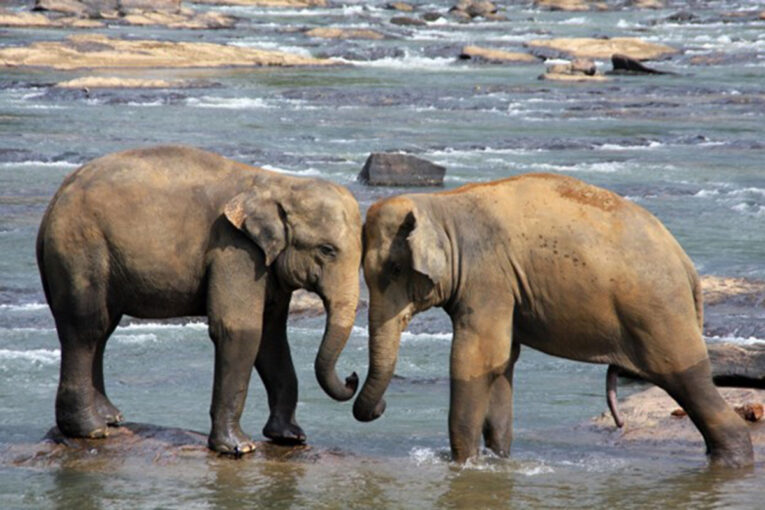
The Diversity Between Countries Is Greater Than Many Expect
The differences between Asian countries can be surprisingly dramatic. Language, religion, architecture, food and daily routines shift significantly from one destination to another. Even neighbouring countries often feel distinct.
A morning spent wandering through Kyoto’s historic districts creates a different impression from an afternoon exploring the streets of Delhi. The relaxed coastal atmosphere of southern Thailand differs greatly from the mountain communities of northern Vietnam. These contrasts are not subtle. They shape the entire travel experience.
Because of this diversity, travellers often discover that their first trip answered some questions while creating many more. The more they learn about one destination, the more curious they become about others.
Travel In Asia Often Feels More Immersive Than Anticipated
Many first-time visitors expect to see impressive sights. What often surprises them is how much they remember the everyday experiences.
A conversation with a local guide. A family-run guesthouse. A market visit that lasts longer than expected. A train journey through the countryside. These moments are difficult to plan for, yet they frequently become the memories that stay with people longest after returning home.
This sense of immersion encourages deeper engagement with a destination. Travellers begin to appreciate that Asia is not simply a collection of landmarks but a collection of living cultures. That realisation often inspires them to return and experience more.
Some Destinations Reward A Slower Return Visit
First trips frequently involve a degree of ambition. Travellers want to see as much as possible, particularly when visiting a destination for the first time. They move between cities, attractions and regions, trying to create a broad understanding of a country.
Later, many realise they would happily return and do less.
A second visit often feels more focused. Instead of moving constantly, travellers spend longer in fewer places. They revisit regions they particularly enjoyed or explore areas they previously overlooked. What once felt like a checklist becomes a more relaxed and meaningful experience.
Interestingly, this slower approach often leads to richer travel experiences than the original journey.
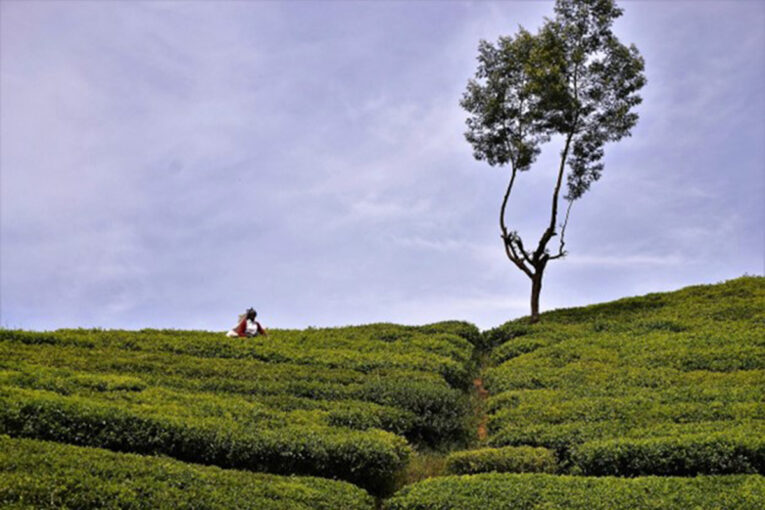
The Landscapes Change More Dramatically Than People Realise
Another reason people return is the extraordinary variety of landscapes found across Asia. Many travellers arrive with a specific image in mind, only to discover that the reality is much broader.
Within a relatively short period, it is possible to move from tropical coastlines to mountain scenery, from rainforest environments to desert landscapes. The tea-growing hills of Sri Lanka feel entirely different from the limestone landscapes of Vietnam or the volcanic scenery found in parts of Indonesia.
This variety creates a sense that there is always another environment waiting to be explored. One trip might focus on culture, another on wildlife, and another on natural landscapes. Asia accommodates all of these interests without feeling repetitive.
Confidence Changes The Experience
The first trip often comes with uncertainty. Travellers may wonder about transport systems, language barriers, local customs or simply how daily life will feel once they arrive.
Most discover that these concerns fade surprisingly quickly. Familiarity develops. Confidence grows. The unknown becomes more manageable.
When travellers return, they bring that confidence with them. They feel more comfortable navigating new environments, trying unfamiliar foods and adapting to different situations. This changes the nature of the experience. The second trip often feels less cautious and more spontaneous, allowing for deeper engagement with the destination.
Asia Continues To Reveal New Layers Over Time
One of Asia’s most compelling qualities is its depth. Many destinations reveal themselves gradually rather than immediately. Historical context, regional identities and cultural traditions become more meaningful as understanding grows.
A first visit might introduce the highlights. A second visit often reveals the stories behind them.
Travellers begin to notice details they previously overlooked. They develop a greater appreciation for local customs, historical influences and cultural nuances. The more they learn, the more they realise there is still to discover. This creates a cycle of curiosity that encourages return visits.
Different Stages Of Life Often Inspire Different Asian Journeys
Travel priorities naturally change over time. A destination experienced as a young traveller may feel entirely different when revisited later with a partner or family.
Someone who once focused on adventure may later seek cultural experiences or relaxation. Families may prioritise wildlife encounters, while couples might gravitate towards quieter, more immersive journeys. Retirement often creates opportunities for slower travel and longer itineraries.
Asia accommodates these changes remarkably well. The same region can offer different experiences depending on where you are in life, providing fresh reasons to return even to destinations you have visited before.
Food Alone Can Inspire A Return Visit
Food deserves its own place in this conversation because it plays such a significant role in the travel experience.
Many first-time visitors quickly realise that they have barely scratched the surface of a country’s cuisine. Regional variation is often far greater than expected. A traveller who enjoys food in northern Vietnam may discover something entirely different in the south. Indian cuisine changes dramatically between regions. Japanese food extends far beyond the dishes most international visitors already know.
The deeper travellers explore, the more they understand how closely food is connected to culture, geography and history. For some, culinary curiosity alone becomes reason enough to return.
The Most Memorable Experiences Are Often The Smallest Ones
When people talk about past trips, they rarely focus exclusively on famous attractions. Instead, they often remember smaller moments.
A quiet sunrise. An unexpected conversation. A local recommendation that led to an unforgettable meal. A train journey that revealed a side of a country they had not anticipated.
These moments are difficult to predict and impossible to manufacture. Yet they often become the emotional centre of a trip. They also remind travellers that there are countless similar experiences waiting elsewhere, encouraging them to continue exploring.
What Returning Travellers Often Do Differently
The second trip is rarely planned in the same way as the first. Travellers tend to move more slowly, stay longer and focus less on ticking off major attractions.
There is often greater confidence in allowing time for flexibility. Instead of trying to see everything, they prioritise experiences that feel meaningful. They seek depth rather than breadth.
This shift may sound small, but it changes the character of a journey considerably. Travel becomes less about covering ground and more about connecting with a place.
The First Trip Often Feels Like The Beginning
Perhaps the most remarkable thing about Asia is that it rarely leaves travellers feeling finished. A first visit may fulfil expectations, exceed them, or challenge them entirely. But it almost always creates new questions and new possibilities.
That is why so many people return. Not because the first trip was incomplete, but because it revealed just how much there is to explore. The cultures, landscapes, cuisines and experiences found across Asia are too varied to fit comfortably into a single journey.
And perhaps that is the region’s greatest strength. Many travellers arrive expecting a memorable holiday. They leave with that — and a growing sense of curiosity about where the next journey might take them.