
Contents
Travel used to be measured in landmarks, ticket stubs, and the number of cities squeezed into one week. That approach still works for some people, but it is losing its grip. More travellers now want a trip that feels lived rather than simply completed. They would rather remember one excellent morning in a market or on a train than five rushed stops they barely had time to absorb.
The way people plan has changed as well. Online research now reflects personal interests more than standard bucket lists, and search trails can move from street food in Bangkok to night trains in Europe to pragmatic slots online in New Zealand in the space of one evening. That shift matters because it shows how travel choices are becoming more individual, more interest-led, and less tied to the same old must-see formula.
An experience first trip puts the day itself at the centre of travel. The aim is not to collect proof that you went somewhere. Instead, the goal is to come home feeling that you understood a place a little better, even if you saw fewer headline sights.
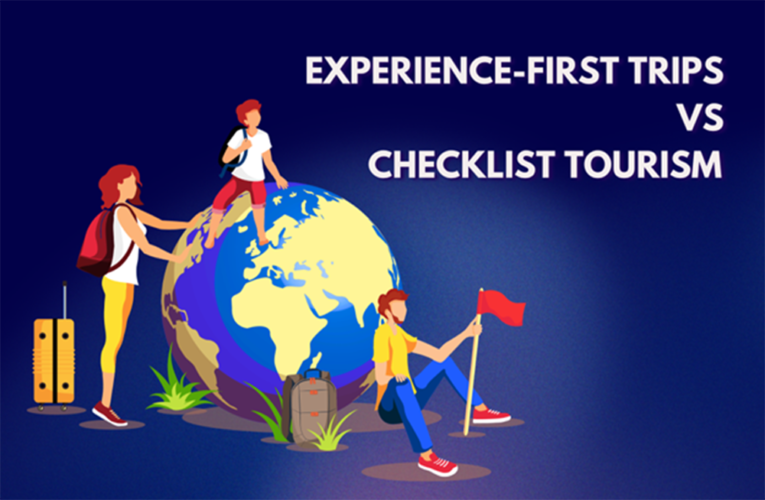
Why Checklist Tourism Feels Less Rewarding
Checklist tourism was built for speed. On paper, that can look efficient. In practice, it often leads to long travel days, shallow encounters, and a strange sense of pressure. You can stand in front of something famous and still feel as though you have missed the place entirely.
A packed itinerary leaves little space for curiosity. There is no time to linger in a neighbourhood café, take the slower train, follow a local recommendation, or change plans because a town feels worth another day. Once every hour is spoken for, the trip starts to run you.
For years, the most visible trips were the ones with the biggest landmarks and the neatest photos. Now that familiar formula feels noticeably tired. Plenty of people still want beautiful places, but they also want stories with texture. A dawn food market, a family-run guesthouse, or a long lunch that turns into an unplanned afternoon can stay in the memory far longer than another queue for a famous viewpoint.
What Experience First Travel Looks Like
This style of travel does not require a big budget or a complete change of lifestyle. It often begins with a few simple choices. You might stay longer in one place, focus on one region instead of rushing across several countries, choose a walking tour led by a local person rather than a standard coach trip, or book a cooking class, farm visit, craft workshop, or rail journey because it reveals something real about everyday life.
These choices help travellers move beyond the usual tourist script and spend more time noticing how a place actually works. A market visit can say more about local habits than a famous square. A meal in a neighbourhood restaurant can leave a stronger impression than a rushed stop at a major landmark. Slowing the pace often makes the whole trip feel more personal and more memorable.
Recent travel research points in the same direction. Experiences now play a bigger role in how people choose where to go, especially among younger travellers. Interactive activities such as food experiences, time with local people, and interest-based tours are seeing strong demand.
Why the Shift Makes Sense
There is also a practical side to experience-first travel. Slower trips can be easier on the nerves and sometimes better value. Moving less often means fewer transport costs, fewer check-in problems, and less wasted time. When you build a trip around a region rather than a race between capitals, you often get a deeper holiday for roughly the same spend.
Growing crowd fatigue is another important reason. Many travellers are tired of fighting through the same hotspots at the same peak hours. Choosing a smaller city, a second neighbourhood, or an off-peak month does not mean settling for less. In many cases, it means better conversations, shorter queues, and a much clearer view of local life.
Places under pressure from overtourism do not need more visitors sprinting through the same streets with the same map. They need travel patterns that spread spending more widely and give people a reason to explore beyond the narrow core. Experience-first travel can help with that when it directs attention towards local guides, family-run businesses, regional transport, and smaller communities.
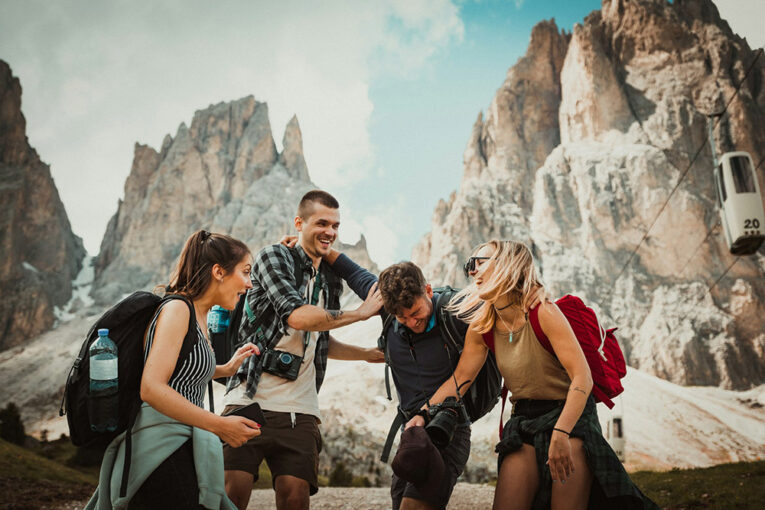
How to Plan a Trip That Feels More Meaningful
A better trip does not begin with a bigger list. It begins with a better question. Ask what kind of days you want to have. Do you want time around food, trains, walking, swimming, galleries, markets, or music. Once that is clear, the itinerary becomes much easier to shape.
Next, cut the number of bases. Two well-chosen places usually beat five rushed ones. Then leave room for one or two anchor experiences that genuinely suit your interests. That might be a market tour in Bangkok, a vineyard stay in Portugal, a local rail journey in northern Italy, or a street food trail in Penang. None of those needs to be spectacular to be worthwhile. They just need to connect you to the place.
Finally, accept that missing a landmark is not a failure. Most travellers do not regret seeing too little. They regret being too tired, too rushed, or too distracted to enjoy what was right in front of them. Experience first travel works because it replaces that pressure with attention. And attention, more than any checklist, is what makes a place stay with you.