
Contents
Shopping local while traveling means buying useful, locally made, locally used, or locally meaningful items instead of generic souvenirs made for tourists. The best travel purchases support local businesses, fit into your life at home, and remind you of a place without becoming clutter.
That is the difference between a souvenir you keep for years and a trinket you regret before the flight home.
Travel shopping is easy to romanticize. You have a custom tote bag in your hand, and a market stall looks charming. A vendor tells a good story. A crowded street makes everything feel special. Then you get home and realize you spent money on a fragile magnet, a fake “handmade” bowl, or a bag you never planned to carry.
The goal is not to buy more. The goal is to buy better.
This guide explains how to shop local while traveling without buying junk, what types of souvenirs are actually worth packing, and how to support local sellers without filling your luggage with things you do not need.
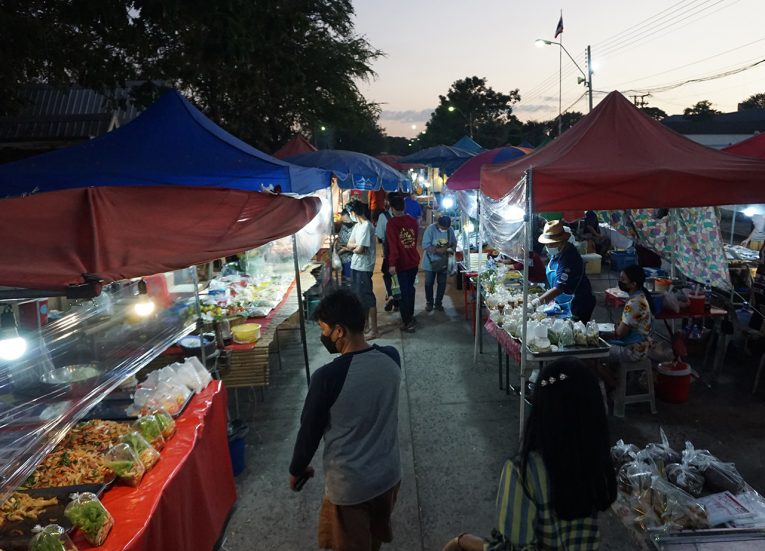
What does it mean to shop local while traveling?
To shop local while traveling, buy items that reflect daily life, local craft, or regional food culture rather than mass-produced souvenirs. The best local purchases usually fall into four groups: food, textiles, everyday goods, and small handmade items.
A good local purchase usually checks at least one of these boxes:
- It is useful
- It is locally made
- It is locally used
- It is tied to the destination
- It travels well
- It still makes sense at home
A bad purchase usually does the opposite:
- It is bulky
- It is fragile
- It is generic
- It is badly made
- It is covered in tourist slogans
- It only felt appealing in the moment
Start with the home-use test
The fastest way to avoid tourist junk is to ask one question: Would I still want this if I saw it in my own city?
That question cuts through impulse buying fast.
Travel can distort judgment. You are tired, excited, sunburned, overstimulated, or running on vacation energy. In that mood, almost anything can feel charming. The home-use test brings you back to reality.
Use this quick filter before you buy:
- Would I use this at home?
- Would I buy this without the travel story attached?
- Does this fit my style, kitchen, home, or routine?
- Would I still like this in six months?
If the answer is mostly no, skip it.
Shop where locals shop, not only where tourists shop
The best local shopping often happens outside the obvious souvenir strip. Grocery stores, neighborhood markets, tea shops, station shops, small boutiques, bookstores, bakeries, and home goods stores usually reveal more about a place than a wall of matching keychains.
That is because locals buy from those places too.
Instead of spending all your shopping time in tourist markets, look in places such as:
- Local supermarkets for snacks, tea, spices, sauces, and sweets
- Stationery shops for notebooks, pens, postcards, and paper goods
- Textile shops for scarves, fabric pouches, and woven bags
- Ceramic shops for cups, bowls, and tableware
- Neighborhood boutiques for simple clothing and accessories
- Bookstores and museum shops for thoughtful gifts and locally designed items
A useful local item is usually better than a decorative fake souvenir.
What are the best things to buy locally while traveling?
The best things to buy while traveling are small, useful, place-specific items that you can actually use, wear, eat, or display at home. Food, textiles, ceramics, stationery, and simple handmade goods usually give the best balance of meaning, quality, and packability.
Here are the strongest categories:
| Category | What to buy | Why it works |
| Food | Tea, coffee, spices, sauces, sweets, dried fruit, biscuits | Useful, giftable, tied to local taste |
| Textiles | Scarves, handwoven cloth, pillow covers, table runners, pouches | Light, packable, easy to use |
| Everyday goods | Notebooks, stationery, incense, soap, candles | Practical and easy to carry |
| Kitchen items | Chopsticks, cups, bowls, cooking tools, lunch boxes | Functional and rooted in daily life |
| Home decor | Small ceramics, prints, baskets, carved objects | Meaningful without taking too much space |
| Wearables | Shirts, sandals, jewelry, woven bags | Easy to use after the trip |
Food is often the safest category because it is consumable, affordable, and strongly connected to place. A tea from Kyoto, spice blend from Istanbul, chocolate from Belgium, or jam from a village market usually carries more memory than a plastic souvenir ever will.
Avoid the “same souvenir, different country” trap
A lot of tourist junk is not bad because it is cheap. It is bad because it is generic. If the exact same item could be sold in five different countries with only the city name changed, it is probably not worth buying.
That is the trap.
Common examples include:
- “I love [city]” shirts
- Plastic keychains
- Generic magnets
- Factory-made bracelets
- Fake vintage posters
- Mass-produced “handmade” crafts
Use this test:
Could this same item be sold in Bangkok, Bali, Hanoi, Seoul, Lisbon, or Mexico City with almost no changes?
If yes, move on.
A better swap looks like this:
| Instead of this | Buy this |
| Generic tourist T-shirt | T-shirt from a local brand |
| Plastic keychain | Handmade keyring or leather tag |
| Mass-produced magnet | Small ceramic tile, art card, or postcard print |
| Cheap market bag | Woven tote or sturdy reusable shopping bag |
| Random wall art | Print from a local illustrator or photographer |
| Tourist snack gift box | Snacks from a local supermarket |
How do you tell if something is really handmade?
A handmade item usually shows variation, process, and seller knowledge. A fake handmade item usually shows perfect uniformity, vague answers, and the same product repeated across multiple stalls.
Look for signs of a real maker:
- The seller can explain how it was made
- The materials make sense for the region
- Similar items have small differences
- You can see tools, sketches, raw materials, or works in progress
- The price reflects time and labor
- The seller can answer simple questions without a script
Be cautious when:
- Every piece is identical
- The exact same product appears at many stalls
- The seller cannot explain the origin
- The “handmade” story sounds rehearsed
- The price looks unrealistically low
Mass-produced items are not always useless. Sometimes you simply need a cheap umbrella or a beach hat. But buy them for convenience, not because you believe they are special.
Food souvenirs are usually the smartest buy
Food souvenirs are often the easiest win because they are practical, local, and easy to share. They also avoid the long-term clutter problem that comes with decorative souvenirs.
Good food souvenirs include:
- Tea
- Coffee
- Spice blends
- Sauces
- Chili oils
- Biscuits
- Chocolates
- Rice crackers
- Dried fruit
- Noodles
- Honey
- Local sweets
Buy food souvenirs well by following these rules:
- Choose sealed, shelf-stable items
- Check import and customs rules before buying restricted foods
- Skip fragile glass unless you can protect it
- Buy extra when the item is small and giftable
- Shop supermarkets as well as specialty stores
A supermarket can be a better souvenir shop than a market stall. That is where you often find what local people actually buy.
Textiles are worth buying, but quality matters
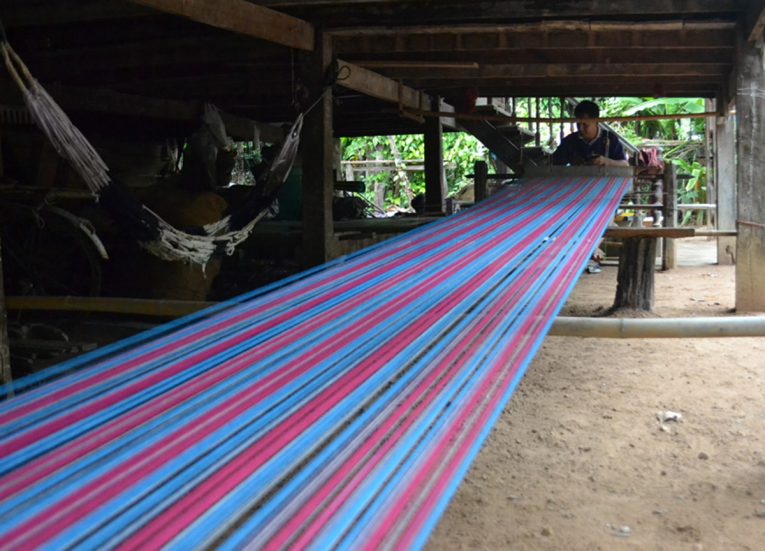
Textiles are some of the best souvenirs because they are lightweight, useful, and often deeply tied to local craft traditions. A well-made scarf, woven bag, or fabric pouch usually ages better than a loud novelty item.
The best textile buys include:
- Scarves
- Table runners
- Fabric pouches
- Handwoven cloth
- Pillow covers
- Reusable shopping bags
- Linen shirts
- Cotton robes
- Small blankets
Check these details before buying:
- Stitching quality
- Fabric weight
- Dye stability
- Fiber feel
- Smell
- Finishing details
Avoid textiles that feel synthetic, smell strange, bleed color, or look like they were designed for tourists rather than everyday use.
Do not turn bargaining into a game
Bargaining can be normal in some markets, but respectful shopping matters more than winning the lowest possible price. A fair deal is better than treating a seller like an opponent.
A smarter way to negotiate:
- Ask the price calmly
- Counter politely when bargaining is expected
- Bundle items if you want a better total
- Walk away respectfully if it does not fit your budget
- Do not start negotiating unless you are serious
- Do not insult the product to lower the price
In many places, bargaining belongs in open-air markets and informal stalls, not in boutiques, galleries, bookstores, pharmacies, or supermarkets.
If prices are clearly labeled, assume the listed price is the price.
Choose souvenirs that are easy to pack
The best souvenirs are usually small, flat, lightweight, durable, and useful. The most beautiful item in the shop becomes a bad purchase the moment it is impossible to carry home safely.
Prioritize items that are:
- Flat
- Soft
- Foldable
- Durable
- Lightweight
- Non-liquid
- Non-fragile
- Easy to gift
Here are strong travel-friendly choices:
| Item | Why it works |
| Tea | Light, useful, giftable |
| Spices | Small and place-specific |
| Scarves | Flat and wearable |
| Notebooks | Compact and practical |
| Prints | Decorative and easy to pack |
| Fabric pouches | Reusable and lightweight |
| Small ceramics | Meaningful when packed well |
| Reusable tote bags | Useful during and after the trip |
Pack for shopping before the trip by leaving some room in your bag and carrying a foldable tote or packing cube. Good shopping starts with good packing.
What should you avoid buying while traveling?
The worst travel purchases are items that are ethically questionable, hard to transport, hard to use, or difficult to bring home legally. When you are unsure, skipping the item is usually the smartest move.
Avoid buying:
- Wildlife products
- Coral
- Shells from protected areas
- Ivory
- Counterfeit designer goods
- Fake antiques
- Religious objects used disrespectfully
- Plants and seeds with unclear import rules
- Unsealed liquids
- Extremely fragile items
- Oversized decor you cannot transport safely
- Anything bought under pressure
A souvenir should create a good memory, not a packing problem or customs problem.
Buy fewer things, but buy the better version
One of the best travel shopping rules is simple: buy one good thing instead of five forgettable things.
That shift changes everything.
Instead of filling your bag with cheap souvenirs, spend the same money on one item with better design, better materials, or a better story.
For example:
- Buy one good scarf instead of five cheap bracelets
- Buy one ceramic cup instead of ten magnets
- Buy one art print instead of generic wall decor
- Buy one quality woven bag instead of several plastic market totes
- Buy one spice set you will actually cook with instead of random novelty snacks
Better shopping creates better memories because the item keeps working after the trip ends.
A simple checklist for buying better souvenirs
Use this 10-point checklist before you pay:
- Will I actually use this?
- Is it locally made, locally used, or locally meaningful?
- Is the quality good enough for the price?
- Is it easy to pack?
- Is it durable enough to travel home?
- Could I find the same thing anywhere?
- Am I buying this because I want it, or because I feel pressured?
- Will I still like this after the trip?
- Can I bring it home legally and safely?
- Does it support a local seller, maker, or business?
If it passes most of these questions, it is probably worth buying.
FAQs about shopping local while traveling
What are the best souvenirs to buy when traveling?
The best souvenirs to buy when traveling are food, textiles, everyday goods, small ceramics, and simple handmade items. They are easier to pack, easier to use at home, and more meaningful than generic tourist products.
Is it better to buy souvenirs in markets or supermarkets?
It depends on the item. Markets are better for crafts, textiles, and handmade goods, while supermarkets are often better for snacks, tea, sauces, sweets, and other everyday local products.
How can you tell if a souvenir is locally made?
You can often tell a souvenir is locally made when the seller can explain the materials, process, and origin clearly, and the item shows small variations instead of perfect factory uniformity.
What souvenirs should you avoid?
Avoid souvenirs that are generic, fragile, illegal to import, ethically questionable, counterfeit, or too bulky to carry home easily.
Are food souvenirs a good idea?
Yes. Food souvenirs are one of the smartest choices because they are useful, place-specific, easy to share, and less likely to become clutter.
Final thoughts
Shopping local while traveling does not mean buying the first charming thing you see. It means buying with more care.
The best souvenirs are usually simple: a tea you will drink, a scarf you will wear, a bowl you will use, a notebook you will keep, or a small object that reflects a real place and a real person’s work.
Skip the generic stalls when you can. Look for what people actually use. Buy fewer things. Buy the better version.
That is how to come home with souvenirs that still matter after the trip.