
Contents
Egypt can surprise travelers who arrive expecting nothing but pyramids, tombs, and ancient temples. Beyond its archaeological treasures, the country has coral reefs, desert landscapes, lively food culture, and beach towns where the pace feels completely different from Cairo. A holiday that moves between the Nile Valley and the Red Sea offers two contrasting experiences: days exploring thousands of years of history followed by time swimming, snorkeling, and enjoying the coast. The challenge is combining them without turning the journey into a race between destinations. With the right route and a little breathing room, Egypt can deliver far more variety than a conventional sightseeing holiday.
Why Egypt Works So Well for a Culture and Beach Holiday
Few destinations offer such a striking contrast between archaeological exploration and marine adventures within one country. In Cairo and Luxor, travelers encounter monumental architecture, historic neighborhoods, and some of the world’s best-known ancient sites.
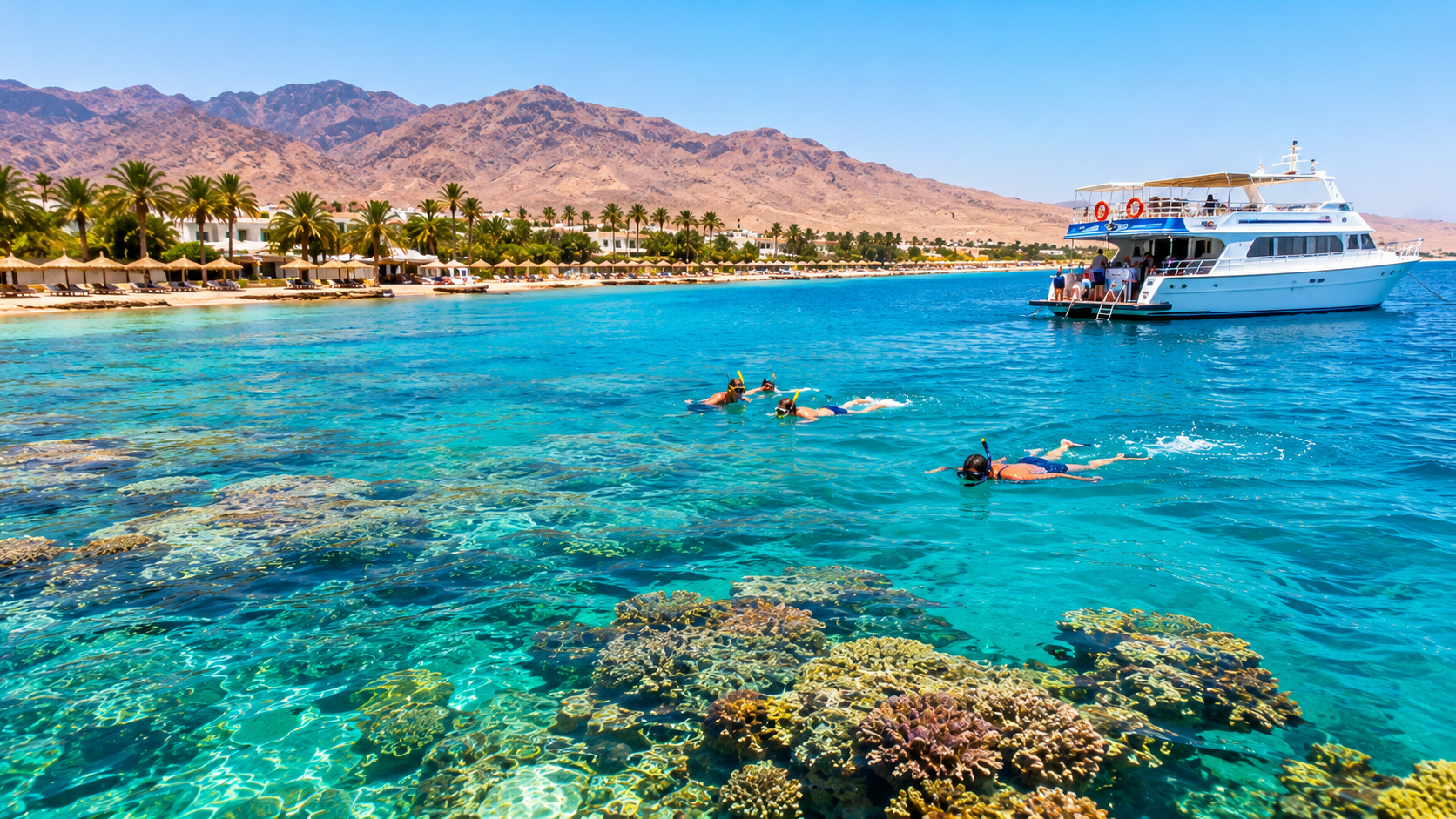
Along the Red Sea, the experience changes. Instead of walking through temple courtyards, you might spend the morning snorkeling above coral formations or relaxing beside clear water with desert mountains in the distance.
This combination is particularly appealing to travelers who enjoy active sightseeing but don’t want every day to feel demanding. Archaeological attractions often involve early departures, extended walking, and intense concentration, while coastal activities provide a different kind of experience.
The route also matters. Luxor and Hurghada can be connected by road, making it possible to move from the Nile Valley toward the coast without returning to Cairo first.
A 9 days Cairo, Luxor and Hurghada tour illustrates how this contrast can fit into one holiday, combining time in Egypt’s major historical centers with several nights on the Red Sea.
However, the real value of a culture-and-beach holiday lies in how the experiences complement each other, not simply in the number of destinations visited.
Cairo Offers More Than a History Lesson
Cairo’s pyramids are extraordinary, but the capital becomes more interesting when travelers make time for its contemporary culture.
A morning at Giza provides the monumental introduction most visitors expect. The Great Pyramid and the Sphinx are reminders of ancient Egypt’s extraordinary engineering and religious traditions.
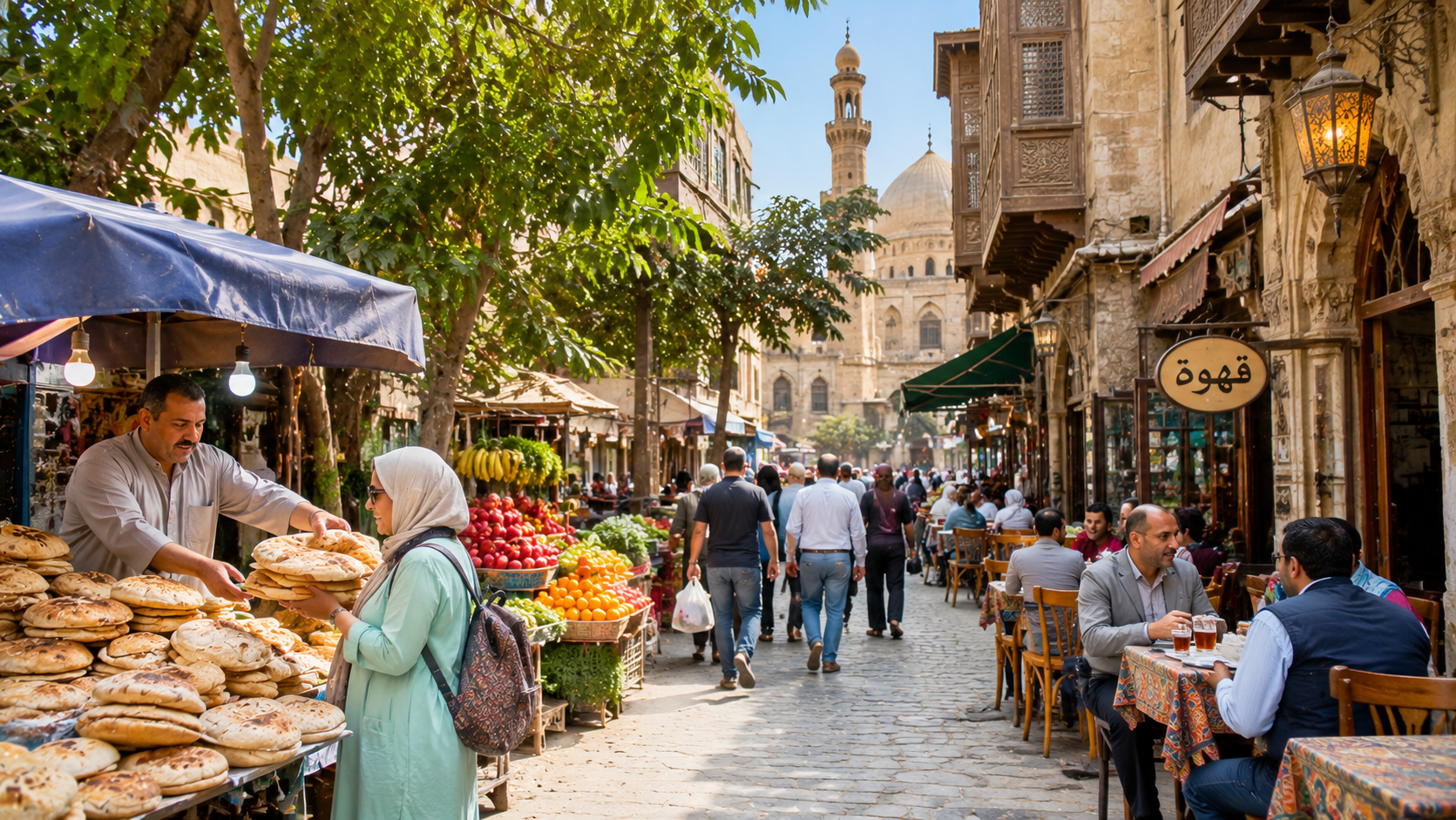
Yet Cairo is also a city of neighborhood restaurants, bustling markets, historic mosques, and everyday routines that have little to do with the pharaohs.
Food is one of the easiest ways to experience this other side. Koshari combines rice, pasta, lentils, chickpeas, and tomato sauce into a filling meal, while ful medames and taameya are familiar Egyptian favorites.
Rather than arranging every meal around tourist attractions, choose a neighborhood restaurant where you can enjoy local food at a comfortable pace.
Spend time in historic Cairo too. Al-Muizz Street and the lanes surrounding Khan El Khalili reveal layers of Islamic architecture and commercial activity that make the capital feel like a living city rather than an outdoor museum.
This approach fits naturally with Live Less Ordinary’s discussion of experience-first travel, which emphasizes meaningful encounters instead of collecting as many famous landmarks as possible.
Cairo rewards that philosophy. The most memorable experience may be the pyramids, but it could just as easily be an unexpected meal, a conversation in a café, or an evening walk through a historic neighborhood.
Luxor Turns Ancient History Into an Outdoor Adventure
Luxor provides an entirely different historical experience from Cairo. The city’s most important archaeological attractions lie across both banks of the Nile, where ancient temples and royal burial sites reveal different aspects of Egyptian civilization.
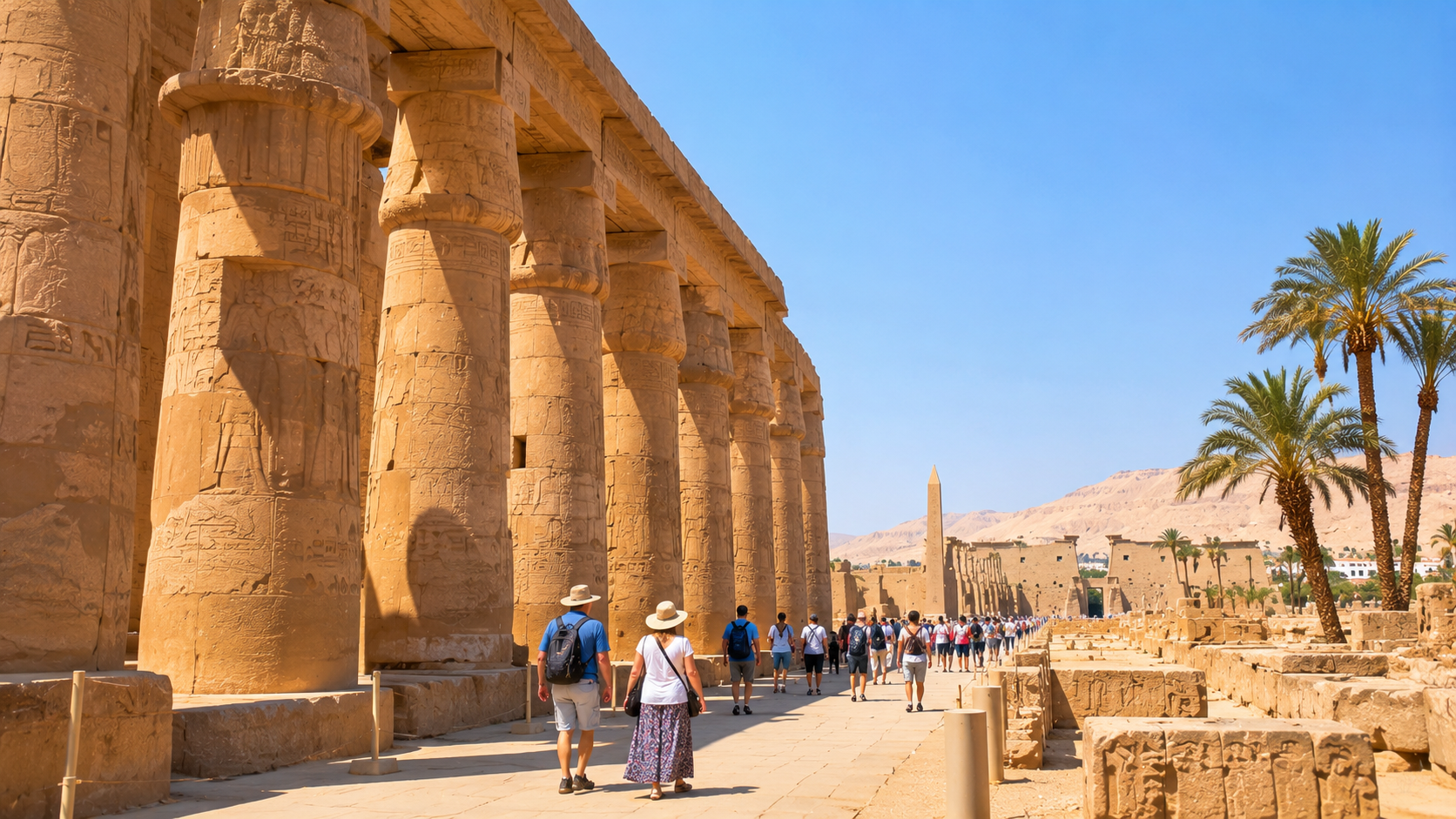
Karnak Temple demonstrates the extraordinary scale of religious architecture. Its Great Hypostyle Hall contains 134 massive columns, while surrounding courtyards, obelisks, and inscriptions reflect centuries of construction.
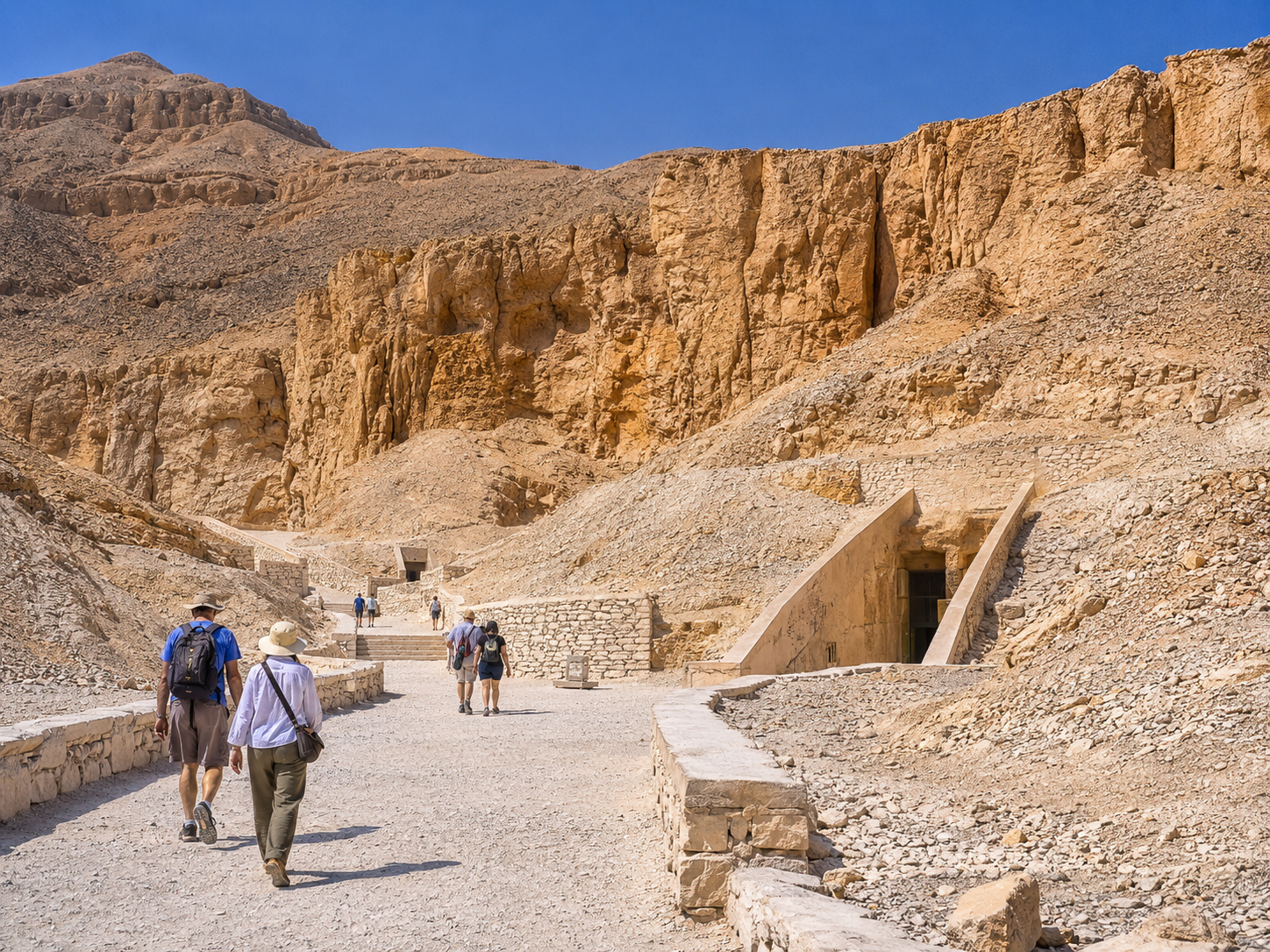
Across the river, the Valley of the Kings offers an experience centered on ancient burial practices. Visitors can enter selected royal tombs and examine surviving paintings and religious imagery, although access arrangements and additional ticket requirements vary.
The Mortuary Temple of Hatshepsut is another highlight, particularly because its terraces stand against dramatic limestone cliffs.
These sites are rewarding, but they can also be physically demanding. Several attractions have limited shade, and walking in strong sunlight may become tiring even for experienced travelers.
A sensible approach is to concentrate on a smaller number of meaningful places rather than attempting every possible monument in one afternoon.
The history becomes more engaging when travelers understand the differences between the sites. Karnak explains religious life and royal patronage, while the Valley of the Kings reveals beliefs about death and the afterlife.
Allowing enough time for those stories creates a richer experience than simply moving from one impressive structure to another.
The Journey From Luxor to Hurghada Changes Everything
One of the most interesting parts of combining Luxor with Hurghada is the transition between the Nile Valley and the Eastern Desert.
Leaving Luxor, the journey moves away from the green agricultural landscapes associated with the river and into a drier environment of rocky hills and open desert.
The road journey commonly takes around four to five hours, depending on the route, traffic, stops, and transfer arrangements. This makes the two destinations reasonably practical to combine, but the transfer still deserves a proper place in the schedule.
Avoid planning a full archaeological sightseeing day followed immediately by a demanding list of activities in Hurghada. Arriving, checking into accommodation, and enjoying a relaxed evening may be the better option.
Travelers interested in photography can appreciate the changing landscapes along the route, although stops should only be made where they are permitted and safe.
The change in scenery also marks a shift in the holiday’s rhythm. Luxor focuses on historical discovery, while Hurghada offers opportunities to explore a natural environment that feels entirely different.
This transition is what makes the combination distinctive: Egypt’s ancient civilization and Red Sea ecosystems can be experienced within the same journey without treating either as an afterthought.

Hurghada Is About Much More Than Sitting on a Beach
Hurghada is best known for its beaches and resorts, but the Red Sea is also a destination for travelers interested in marine life.
Snorkeling excursions provide opportunities to observe reef fish, coral formations, and the underwater landscapes that distinguish the region from Egypt’s historical attractions.
For inexperienced swimmers or first-time snorkelers, choosing a reputable operator is important. Ask about safety briefings, flotation equipment, supervision, weather conditions, and the suitability of individual snorkeling stops.
Travelers who want a deeper experience can investigate introductory scuba-diving activities with properly qualified professionals, subject to medical requirements and operating conditions.
Live Less Ordinary explores the appeal of these experiences in its article about discovering underwater worlds, including the difference between casual snorkeling and more immersive marine adventures.
The Red Sea is also a fragile environment. Visitors should avoid touching coral, standing on reefs, feeding marine wildlife, or collecting shells and other natural objects from protected locations.
A responsible marine excursion should prioritize safety and conservation rather than promising close encounters with specific animals.
Back on land, Hurghada offers restaurants, coastal walks, and opportunities to relax. The city also provides access to organized desert excursions, although these activities require appropriate operators and safety precautions.
The best approach is to choose one or two experiences that genuinely interest you, leaving enough free time to enjoy the coastal atmosphere.

How to Balance Temples, Snorkeling and Relaxation
A combined cultural and coastal holiday works best when the schedule changes gradually rather than switching between exhausting activities every day.
Cairo and Luxor are naturally sightseeing-intensive destinations. Hurghada can provide a quieter conclusion, although visitors who enjoy marine activities will still find plenty to do.
The table below illustrates how different experiences can complement one another.
| Travel Experience | Best Location | Recommended Approach |
|---|---|---|
| Pyramids and ancient history | Cairo and Giza | Prioritize a focused morning visit |
| Local food and markets | Historic Cairo | Reserve time for an unhurried meal |
| Temples and royal tombs | Luxor | Divide major sites across manageable excursions |
| Desert landscapes | Luxor–Hurghada route | Allow a dedicated transfer period |
| Snorkeling and marine life | Hurghada | Choose a suitable, safety-conscious operator |
| Beach relaxation | Hurghada | Keep at least one flexible period |
This style of travel suits people who enjoy variety, but it does not require every activity to be scheduled in advance.
A day without major plans can be valuable after several days exploring archaeological sites. It gives travelers time to recover, explore their surroundings, or decide whether another excursion is worthwhile.
Accommodation choices should also reflect the purpose of each stop. Convenient sightseeing access may matter most in Cairo and Luxor, while beach location and facilities are more relevant in Hurghada.
Ultimately, a successful itinerary should feel varied without becoming fragmented.

Choosing the Right Red Sea Experience for Your Travel Style
Not every Red Sea holiday needs to involve a large resort or a packed schedule of excursions. Some travelers want several days of swimming and relaxation, while others prefer boat trips, snorkeling, diving, and exploring the surrounding region.
Accommodation can influence the experience considerably. A beachfront property may be convenient for travelers who plan to spend most of their time beside the water, while a centrally located hotel may better suit visitors interested in restaurants and excursions.
If you are considering an all-inclusive property, compare what is actually covered rather than assuming every activity is included. Meals and certain resort facilities may be part of the rate, while boat excursions, transfers, equipment, and specialist activities can involve additional charges.
Live Less Ordinary’s guide to destinations suited to all-inclusive holidays includes Hurghada among its examples and offers another perspective on this style of coastal travel.
The key is to match the accommodation and activities to your interests. A resort can provide comfort and convenience, but it should not automatically determine how you spend every day.
Travelers who want a more active holiday may prefer selecting individual marine excursions, while those recovering from several intensive sightseeing days may value uninterrupted time near the beach.
Neither approach is necessarily better. The most enjoyable choice is the one that fits the pace of the wider trip.

How to Build an Egypt Holiday That Feels Personal
The greatest advantage of combining Cairo, Luxor, and Hurghada is the freedom to shape the experience around different interests.
History lovers can devote more time to archaeological sites. Food-focused travelers may prefer exploring Cairo’s local restaurants and markets, while snorkeling enthusiasts might prioritize additional time on the Red Sea.
Choosing the order of destinations carefully is equally important. Starting with the more demanding cultural experiences and ending near the coast can create a natural change of pace, particularly for travelers who want to finish their holiday with a few relaxed days.
For visitors comparing different ways to combine those experiences, Trips in Egypt offers a range of Egypt vacation packages, including historical journeys, private sightseeing, Nile cruises, coastal stays, and multi-destination holidays.
Comparing itinerary structures can help travelers decide how much time they want to allocate to temples, beaches, cultural encounters, and optional activities.
The important question is not how many destinations fit into the available time, but whether the chosen experiences genuinely complement each other.
A memorable Egyptian holiday can include world-famous monuments and peaceful coastal afternoons without sacrificing the opportunity to enjoy the places in between.
Egypt’s greatest appeal may be the contrast between experiences that seem worlds apart. Cairo’s ancient monuments and neighborhood culture, Luxor’s extraordinary temples, and Hurghada’s coral reefs provide very different reasons to travel. Combining them works best when each destination has enough time to make an impression, with realistic transfers and room to relax. Whether you prefer archaeology, underwater exploration, local food, or quiet evenings beside the sea, a carefully balanced journey can reveal a richer and more varied side of Egypt.