
Contents
Asia is home to some of the most interesting cities for a culinary journey. It’s not just about trying traditional dishes, but also about strolling through markets, sitting in small eateries, exploring neighborhoods, and understanding how the people who live there eat.
Among so many options, three cities stand out for very different reasons: Bangkok, Hong Kong, and Tokyo. Each has its own pace, flavors, and customs, offering a distinct way to experience Asia through food.

Bangkok: Markets, street food, and intense flavors
Bangkok is a city best understood when explored at a leisurely pace. It’s full of temples, markets, canals, and street food stalls. Thailand’s own tourism authority highlights sites such as Wat Pho, Wat Arun, the Grand Palace, and Chatuchak, as well as shopping and dining districts like Yaowarat.
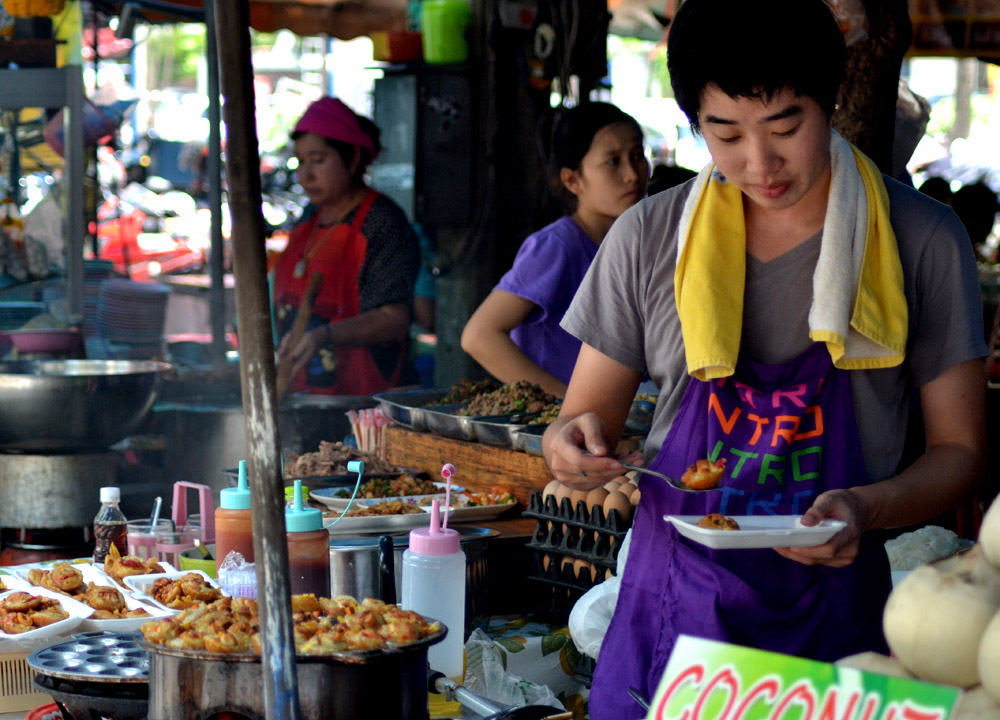
Street food plays a major role in the city’s daily life. You can find everything from noodles and rice prepared in various ways to curries, grilled meats, spicy salads, and desserts made to order.
For first-time visitors, a good food tour can be a practical way to get started. Instead of choosing at random from the many stalls and restaurants, a guided experience lets you sample a variety of flavors in just a few hours while also learning more about the neighborhoods you pass through.
A typical Bangkok food tour includes stops in Hua Lamphong and Chinatown or around Ruam Sab Market, where you can sample dishes such as stir-fried chicken with basil, som tam, noodles, braised pork, and a selection of sweets.
Hong Kong: a city to explore through its neighborhoods
Hong Kong offers a different kind of experience. Its cuisine is characterized by a blend of local traditions, influences from diverse communities, and an urban lifestyle where restaurants and markets can be found in virtually every neighborhood.
In Kowloon City, for example, Thai restaurants coexist with traditional Teochew dishes, while in Sham Shui Po you’ll find small businesses and markets tied to the neighborhood’s daily life.
Central and Wan Chai offer a different perspective, with a mix of modern architecture, historic buildings, restaurants, and spaces where different culinary traditions intersect. That’s why a great way to get to know Hong Kong is to choose a neighborhood and explore it without trying to cover the entire city in a single day.
It’s also worth making room for local classics such as dim sum, noodles, rice dishes, and the everyday food served in markets and cha chaan tengs.

Tokyo: Japanese tradition and new trends
Tokyo can seem overwhelming at first. It’s one of the world’s great metropolises and consists of 23 special wards, each with neighborhoods that have very different characteristics.
To explore it, it’s best to organize your visit by area. Asakusa lets you experience traditional Tokyo and visit the Sensoji Temple, while Shibuya and Shinjuku showcase a much more modern and urban side. There are also neighborhoods less frequented by first-time visitors, such as Yanaka, Nezu, or Kichijoji.
Food is another way to structure your itinerary, but there’s no need to seek out only the most famous restaurants. A good idea is to try different types of dining spots: a small ramen shop, an izakaya, a market, or a neighborhood food street. That way, every meal becomes a break during your trip rather than an isolated activity.

Traveling through Asia also means learning to eat like a local
Bangkok, Hong Kong, and Tokyo have something in common: their cuisine is inseparable from city life. It’s found in the markets, on the streets, in neighborhood restaurants, and in their everyday routines.
That’s why, when planning a trip to Asia, it can be helpful to set aside time for foodie experiences in addition to temples, museums, and iconic landmarks. A walking tour, a visit to a market, or a food tour can offer a different perspective on the destination and, often, help you discover places that don’t appear on the most common itineraries.