
Contents
Television used to demand full attention, but that era has quietly faded. Today, millions of viewers hold a smartphone or tablet while a show plays in the background, splitting their focus between two glowing displays. This behavior, known as “second screen” entertainment, has become one of the defining habits of modern media consumption. It reflects shorter attention spans, but also a deeper desire to engage, share, and multitask. Understanding this shift helps advertisers, broadcasters, and everyday viewers make sense of how content is really consumed.
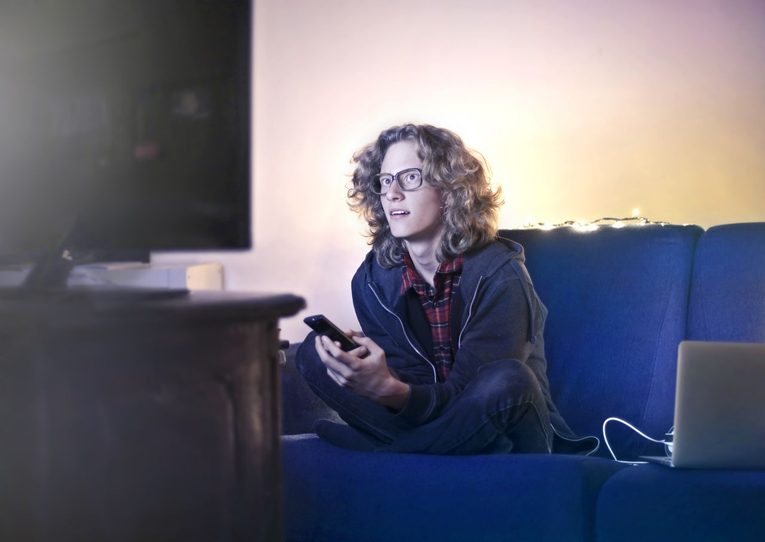
What Second Screen Entertainment Actually Means
Second screen entertainment describes the use of a secondary device—usually a phone, tablet, or laptop—while watching content on a primary screen like a television. Rather than passively absorbing a program, viewers actively look up information, chat with friends, or browse unrelated content. This behavior blurs the line between focused viewing and casual scrolling. It has grown alongside faster mobile networks and the constant presence of smartphones. The result is a fragmented but highly interactive way of experiencing media.
The reasons behind this trend are varied and often overlap. People rarely rely on a single motivation when they reach for a second device.
- Boredom during slow scenes or commercial breaks.
- Real-time discussion with friends or online communities.
- Fact-checking actors, sports statistics, or plot details.
- Multitasking with work, shopping, or personal messages.
- Fear of missing out on trending conversations.
How Streaming Reshaped Viewing Behavior
The rise of on-demand streaming accelerated second-screen habits in ways traditional broadcasting never did. When viewers control the pace of their content, they feel freer to pause, rewind, or divide their attention. Binge-watching sessions, in particular, encourage lighter engagement where a phone becomes a natural companion. Streaming platforms also introduced companion apps and interactive features that reward simultaneous device use. This combination made splitting attention feel normal rather than distracting.
Live Events Drive the Strongest Engagement
Live programming produces the most intense second-screen activity of all. Sports matches, award shows, and breaking news generate a flood of real-time reactions across social platforms. Viewers want to comment instantly, share opinions, and feel part of a collective moment. This immediacy transforms a solitary experience into a communal one. Broadcasters increasingly design content with this shared conversation in mind.
The Most Popular Second Screen Activities
Not all second-screen behavior looks the same, and the activities vary widely by audience and content type. Some users engage directly with the show they are watching, while others drift toward entirely unrelated tasks. The following breakdown highlights how attention typically splits across common activities.
| Activity | Connection to TV Content | Typical Audience |
| Social media browsing | Sometimes related | Younger viewers |
| Online shopping | Rarely related | General audience |
| Gaming and casinos | Usually unrelated | Entertainment seekers |
| Messaging friends | Often related | All demographics |
| Reading news | Rarely related | Older viewers |
Entertainment platforms have taken notice of this divided attention. Many users pair a relaxed television session with light interactive play, whether that means casual mobile games or visiting an online casino site like https://icecasino.com/en that fits naturally into background viewing. This overlap shows how flexible second-screen habits have become, blending passive and active entertainment seamlessly.
What This Means for Advertisers and Creators
For marketers, the second screen represents both a challenge and an opportunity. Viewers who look away during commercials may miss traditional advertising entirely. However, that same phone opens a direct channel for engagement through synchronized ads, social campaigns, and interactive promotions. Smart brands now design campaigns that flow across both screens rather than competing for a single point of focus. This coordinated approach captures attention where it actually lives.
Creators can also benefit by encouraging deliberate second-screen participation. When done well, interactivity strengthens loyalty rather than diluting attention.
- Launch companion apps that offer bonus content.
- Encourage live hashtags to build community conversation.
- Add interactive polls during broadcasts.
- Offer exclusive rewards for engaged viewers.
- Sync mobile notifications with key on-screen moments.
Balancing Engagement and Distraction
Despite its popularity, second-screen behavior raises real concerns about focus and enjoyment. Constantly switching between devices can reduce comprehension and diminish emotional connection to the story. Some viewers report feeling more anxious or less satisfied after fragmented viewing sessions. Setting intentional boundaries—such as device-free viewing for favorite shows—can restore a sense of immersion. The goal is to enjoy technology without letting it hollow out the experience.
Where Divided Attention Is Heading Next
Second-screen entertainment is no longer a passing habit; it is a fundamental part of how audiences interact with media. As interactive features, live conversations, and cross-platform experiences continue to evolve, the boundary between watching and doing will keep dissolving. The smartest viewers will learn to balance engagement with genuine enjoyment, choosing when to connect and when to unplug. Being mindful of how these moments shape your viewing can help you preserve the immersion and emotional depth that great storytelling still offers.