
Contents
I’ve worked remotely from twenty-three countries across seven years. My laptop has survived monsoons in Southeast Asia, theft attempts in South American hostels, and one memorable incident involving spilled mate tea all over my keyboard in a Buenos Aires coworking space. I’ve filed insurance claims from time zones, navigated policy requirements while my legal residence remained Austin, but my actual location rotated through Mexico City, Lisbon, Bali, and Medellín.
Traditional renters insurance assumes you live in one apartment and occasionally travel. Digital nomad reality involves maintaining a legal U.S. address (usually family or mail forwarding services) while spending 300+ days annually outside that location. Your belongings exist in carry-on luggage, checked bags, storage units, and temporary rentals rather than fixed apartments. Your laptop, camera gear, and work equipment represent both your personal property and your income-generating tools. Losing them doesn’t just mean replacement costs, it means lost work until you can replace essential equipment.
This guide reflects what works for location-independent professionals based on navigating these insurance challenges across multiple countries and situations. The best renters insurance for digital nomads isn’t the cheapest policy. It’s the one that covers your worldwide belongings, processes claims across time zones, and doesn’t require calling agents during U.S. business hours when you’re working from a Tbilisi café at 3 AM Eastern.
Why Digital Nomads Face Different Insurance Challenges
Worldwide Coverage Territory Requirements
Standard renters policies cover belongings at your residence address plus limited coverage during travel. “Travel” typically means “temporary trips away from your permanent residence.” When you don’t live at that legal address for months on end, does coverage still apply?
I learned this distinction the hard way after my laptop was stolen from a Chiang Mai coworking space. My traditional insurer questioned whether Thailand qualified as “temporary travel” given I’d been there four months consecutively. The claim eventually paid, but required extensive documentation proving my Austin apartment remained my legal residence despite my extended absence.
Digital nomad-friendly policies explicitly cover worldwide personal property without “temporary travel” limitations or strict definitions of what constitutes your residence versus travel.
Time Zone and Communication Barriers
When your camera gets stolen in Mexico City at 9 PM local time (11 PM Eastern), calling a U.S.-based insurance agent during their 9-5 Monday-Friday schedule becomes essentially impossible without disrupting work schedules.
I’ve attempted navigating traditional insurance claims while working across extreme time zones. Calling windows don’t align. Email response times extend to 24+ hours minimum. Required phone verification steps assume you’re available during U.S. business hours which might be your sleeping hours in current locations.
App-based insurers letting you file complete claims digitally without phone calls eliminate these coordination nightmares entirely.
High-Value Portable Equipment
Digital nomads travel with disproportionately expensive portable equipment compared to typical renters. Laptop, camera gear, external drives, tablets, noise-canceling headphones can easily total $5,000-$10,000 in electronics concentrated into one backpack.
Standard renters policies cap electronics coverage around $2,500 total. Lose everything in a theft or damaged luggage incident? You’re underinsured by thousands even with seemingly adequate policy limits.
Specialized coverage scheduling high-value portable items becomes essential rather than optional for nomads carrying professional-grade equipment.
Storage Unit and Mail Forwarding Coverage
Most digital nomads maintain storage units containing belongings that don’t travel: winter clothes, documents, family photos, furniture. Many use mail forwarding services as legal addresses. Verifying insurance covers items in storage facilities and addresses where you don’t physically reside requires explicit policy review.
I’ve met nomads who discovered after theft that their storage unit belongings weren’t covered because policies required items remain “at the insured premises” which their mail forwarding address clearly wasn’t.
Airbnb and Temporary Rental Liability
Damage deposits on Airbnbs don’t cover personal liability if you accidentally cause damage exceeding the deposit or if guests you invite cause injuries requiring medical attention. Standard travel insurance focuses on trip cancellation and medical coverage, not personal liability at temporary residences.
I once knocked over and shattered an expensive vase in a Barcelona Airbnb while rushing to video call. My renters insurance covered the replacement cost minus deductible, preventing an $800 loss. Without that liability coverage, I’d have forfeited the entire deposit plus owed additional money.
Best Renters Insurance for Digital Nomads
1. Lemonade: Best Overall Renters Insurance for Nomadic Lifestyles
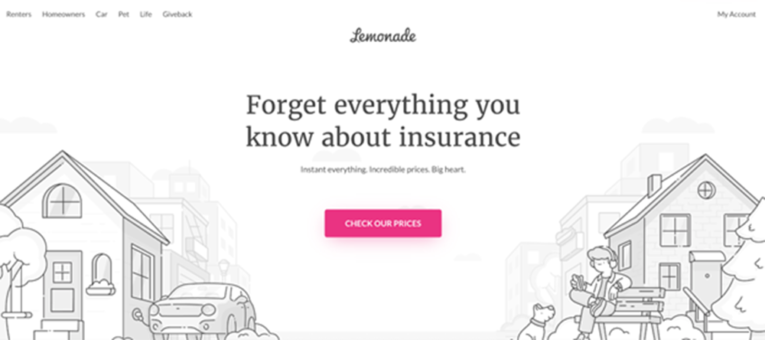
Lemonade’s entirely app-based platform solves the fundamental coordination problem that digital nomads face.
Everything happens through their mobile app. Getting quotes, purchasing coverage, modifying policy limits, uploading documentation, filing claims, receiving payments all completed digitally without human contact required. This infrastructure matters enormously when your work schedule doesn’t align with standard Eastern Time business hours.
Worldwide Personal Property Coverage
Lemonade explicitly covers personal property worldwide without geographic restrictions or “temporary travel” limitations. Your laptop stolen in a Bangkok café? Covered. Camera damaged during South American travel? Covered. Personal belongings in European Airbnb? Covered.
I tested this filing a claim for electronics damaged during a Medellín rainstorm. Submitted photos and explanation through app at 10 PM Colombian time, received approval notification twenty minutes later, saw money in my account within 36 hours. No phone calls, no time zone coordination, no business hour limitations.
Claims Processing Speed
Many simple claims are approved near-instantly, and because AI enables quick resolution of those claims, Lemonade is able to more efficiently handle even complex claims. My laptop theft claim in Thailand was approved very quickly after all documentation through the app.
Extra Equipment Coverage
Lemonade’s zero-deductible electronics coverage eliminates deductibles on camera and computer claims. This matters when you’re filing occasional small claims for damaged chargers or stolen peripherals rather than total loss catastrophes.
Coverage Limits Require Planning
Standard policies cap total property coverage around $20,000-$30,000. Digital nomads rarely need this much since we travel light, but verify your actual portable property value doesn’t exceed policy limits.
Electronics category caps require scheduling high-value items separately. Own $5,000 in camera gear? Schedule it explicitly to ensure full coverage beyond standard limits.
Best For: Digital nomads wanting instant app-based management, worldwide coverage without travel restrictions, and claims processing across time zones.
2. USAA: Military-Connected Nomads and Veterans
For digital nomads with military connections, USAA provides coverage designed around internationally mobile lifestyles including overseas assignments and frequent relocations.
Their policies explicitly accommodate non-traditional residence situations common to military families globally. Coverage often includes worldwide protection and storage unit belongings as standard rather than problematic add-ons.
I’ve processed claims with USAA while stationed overseas. Their system accommodates international addresses, understands military deployment documentation, and maintains processing capacity for members regardless of current location.
Service Quality Inconsistencies
While USAA earns strong ratings for military households, customer service experiences vary significantly. Some members report excellent claim handling while others experience processing delays that mirror traditional insurers. For digital nomads operating across extreme time zones, phone-based service requirements can still create coordination friction even with extended business hours.
Eligibility Restriction
Only military members, veterans, and eligible family members qualify. Most digital nomads cannot access USAA regardless of superior value.
Best For: Military-connected digital nomads meeting eligibility requirements.
3. State Farm: Bundling Benefits with Service Trade-offs
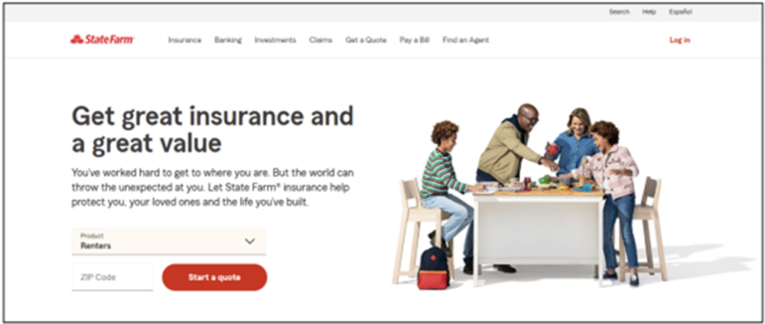
State Farm excels when bundling renters with auto insurance, relevant for digital nomads maintaining U.S. registered vehicles in storage or with family members.
Combined policies reduce total costs $20-35 monthly typically. For nomads keeping U.S. insurance infrastructure while abroad, bundling provides genuine value.
Traditional Service Model Limitations
Everything routes through local agents requiring U.S. business hour contact. Filing claims, modifying coverage, updating information all need agent communication rather than instant app management.
For nomads operating across extreme time zones, this traditional model creates coordination friction making quick policy changes essentially impossible.
Customer Complaint Concerns
State Farm receives significantly more complaints than industry averages. The National Association of Insurance Commissioners reports a Company Complaint Index of 3.77, indicating State Farm receives over three times the expected number of complaints for a company its size. Trustpilot ratings average 1.5 out of 5 stars, with Better Business Bureau reviews at 1.24 out of 5 based on over 2,000 customer submissions. Common complaints include unexpected policy changes, delayed refunds, premium increases, and claim denials.
Best For: Digital nomads maintaining U.S. vehicles wanting bundling benefits who accept traditional agent-based service and higher complaint rates.
4. Allstate: High-Value Equipment Scheduling with Mixed Reviews
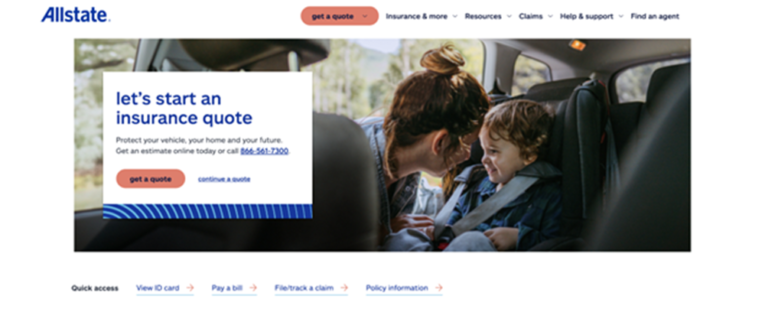
Allstate allows scheduling high-value portable items beyond standard electronics caps. Own $8,000 in professional camera gear or specialized work equipment? Schedule it explicitly for full replacement coverage.
This customization provides value for professional digital nomads whose work equipment significantly exceeds typical electronics limits.
Higher Premiums
Standalone Allstate renters coverage costs $20-30 monthly typically, substantially more than app-based platforms for equivalent coverage. Bundling with auto insurance reduces this premium gap.
Claim Processing Challenges
Customer reviews reveal significant claim-related problems. Trustpilot users routinely rate Allstate’s service at 1 star, citing denied claims, delayed payouts, and repeated adjuster changes. Multiple customers report difficulties securing repairs after incidents like frozen pipes or water damage, with some claims taking months to resolve. The Better Business Bureau records thousands of complaints, and J.D. Power ranks Allstate’s renters line below average for satisfaction.
Best For: Digital nomads with high-value professional equipment requiring specialized scheduling who have existing Allstate auto policies and accept higher complaint rates.
Choosing Renters Insurance as Digital Nomad
Verify Worldwide Coverage Explicitly
Confirm your policy covers personal property anywhere in the world without “temporary travel” restrictions or geographic limitations. Some policies specify “residence premises plus temporary travel,” terminology that creates ambiguity when you’re living temporarily in multiple locations annually.
Get explicit written confirmation your worldwide belongings coverage applies regardless of how long you spend outside your legal U.S. residence.
Calculate Portable Property Value
Digital nomads need less total coverage than traditional renters since we don’t own furniture, kitchen equipment, or bedroom sets. However, our portable belongings concentrate significant value.
Inventory everything you travel with and calculate replacement costs. Laptop, tablet, camera gear, external drives, headphones, clothing, toiletries likely total $8,000-$15,000.
Ensure policy limits exceed your actual portable property value. Schedule high-value items exceeding standard category caps.
Test Time Zone Accessibility
Before committing, test how you’d file claims or modify coverage from your typical work locations and time zones. If the insurer requires phone calls during U.S. business hours, those calls become problematic when you’re operating on Asian, European, or South American schedules.
App-based platforms eliminating phone requirements solve this coordination problem entirely.
Confirm Storage Unit Coverage
If you maintain U.S. storage containing belongings not traveling with you, verify your policy explicitly covers items in storage facilities separate from your legal residence address.
Don’t assume storage coverage exists. Confirm it specifically with your insurer.
Consider Your Legal Residence Reality
Most digital nomads maintain legal U.S. addresses through family members or mail forwarding services while spending minimal time present at those locations. Verify your insurer understands and accepts this arrangement.
Some insurers require policy address match your physical residence. Mail forwarding addresses confuse their systems creating potential coverage gaps.
Digital Nomad Renters Insurance FAQs
Can I buy renters insurance if I’m already abroad?
Most insurers require you establish coverage from your U.S. legal residence before beginning extended travel. However, app-based platforms like Lemonade allow purchasing coverage entirely online within minutes without physical presence at your legal address.
Establish coverage before leaving the U.S. when possible. If you’re already abroad, you can still purchase coverage digitally using your U.S. legal address.
Does my coverage apply in absolutely every country?
Worldwide coverage typically means your personal property is protected regardless of current location. However, some insurers exclude specific high-risk countries or conflict zones. Review your policy’s geographic exclusions if traveling to unusual destinations.
For standard digital nomad locations like Mexico, Portugal, Thailand, and Colombia, worldwide coverage applies without restrictions.
What if my legal address is a mail forwarding service?
Many digital nomads use mail forwarding services (like traveling mailbox services) as legal addresses. Most insurers accept these addresses as valid policy locations, though some require additional verification you maintain genuine residence rights there.
Confirm your specific insurer accepts mail forwarding addresses before assuming coverage validity.
How do I prove residence if I’m never there?
Insurers typically accept voter registration, driver’s license address, or lease agreements as residence verification. Your physical presence at the address isn’t required. Legal residence suffices for policy purposes.
Mail forwarding services and family member addresses both qualify as legal residences for insurance purposes.
Should I get travel insurance separately?
Yes. Renters insurance covers personal property and liability. Travel insurance covers medical emergencies abroad, trip cancellation, and evacuation. These are completely different risk categories.
Digital nomads benefit from both coverages addressing different risk exposures.
Live Less Ordinary