
Contents
Traveling allows us to take a break from our routine and fully immerse ourselves in new experiences. However, have you ever considered that tourism is much more global than simply choosing a destination and packing your suitcases? In fact, when traveling to another country, you are, in a sense, already a participant in the currency market and may not even realize it. Interacting with the financial market does not mean being a trader or understanding financial assets. Booking hotels, paying for airline tickets, or exchanging money, all depend on the exchange rates.
The exchange rate you see in the currency converter is formed on the forex market, the international currency market, which, by the way, attracts a lot of traders today. They start trading after meta5 download and deepen their knowledge in how the market works. The forex market determines how much you will pay for coffee in Tokyo, a night in a hotel in Bangkok, or a transfer in Bali. As you can see, the financial market affects your life even if you have never traded on it. In this article, we will explain why understanding forex is important not only for traders but also for travelers, especially if your next stop is Asia.
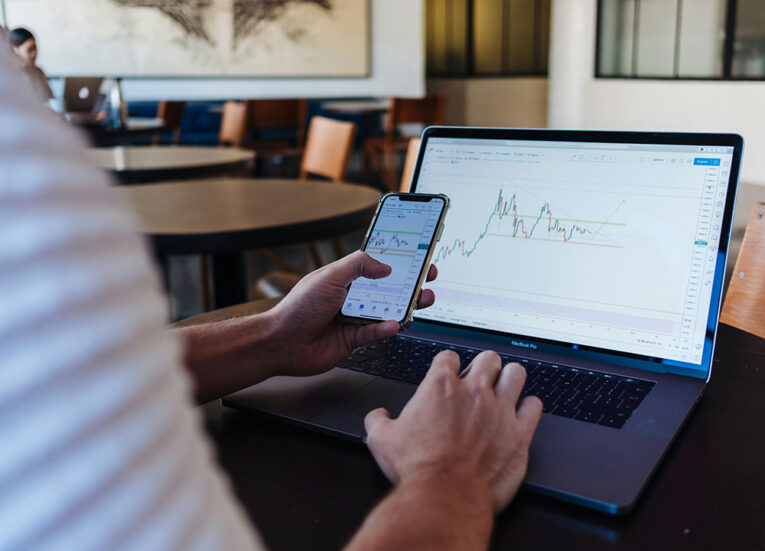
What Is Forex in Simple Terms and Why Is It Popular?
Forex is an international currency market that operates round-the-clock 5 days a week. Many participants take part in trading, from large financial funds and investors to retail traders who earn money on exchange rate differences. This market is important for travelers because it determines exchange rates, covering both major currency pairs, such as EUR/USD, USD/JPY, GBP/USD, and minor ones, such as EUR/JPY, AUD/JPY, EUR/CHF.
Tourists who understand how the forex market works can track exchange rate fluctuations in advance to get the best deal and reduce the financial risks associated with currency volatility during their trip. In addition, understanding currency trends helps to avoid losses due to a sharp fall in the national currency.
The key characteristics of forex include decentralization, high market liquidity, the possibility of using high leverage, and the opportunity for traders to earn on exchange rate differences. Thanks to round-the-clock operation and mobile access, some travelers choose forex trading as an option for additional income while traveling.
How Do Exchange Rates Affect the Cost of Travel?
Most often, when we hear “travel budget”, many people think of ticket discounts or seasonal hotel promotions. And almost no one thinks that the real tool that most affects how much you spend is the exchange rate. For example, when the US dollar strengthens against Asian currencies, tourists with dollar incomes get more local currency for the same amount of money. Thus, hotels and restaurants become cheaper, and shopping gets more advantageous.
Take Thailand, for example, where fluctuations in the baht affect how affordable the country is for American and European tourists. The same situation exists in Japan, because when yen weakens, the country becomes much more attractive to foreign tourists. During such periods, there is a tourist boom and hotels receive more bookings.
When we say that hotels or services are becoming cheaper, it is important to understand that prices in local currency may not change, but they become more affordable for foreign tourists who exchange dollars or euros for local currency. Thus, it is not only forex traders who should pay attention to economic news, decisions of international banks, or the financial situation in the world, because these factors also determine how economically advantageous your trip will be.
Should Modern Tourists Learn about Trading?
After reading all of the above, you may get the impression that only traders can effectively plan their travel budget, but we hasten to assure you that you don’t have to trade on the forex market to do this. It is enough to simply study the basic principles and monitor exchange rates before your trip.
Understanding how forex works, and knowing currency exchange rates and their volatility allows you to effectively plan your travel budget and make profitable purchases in another country. By learning the basics of forex trading, you can minimize currency conversion losses, avoid unfavorable exchange rates at currency, and effectively use multi-currency cards.
Final Thoughts
In today’s world, travel is part of the global economy, and every tourist automatically becomes a participant in the global financial process. The forex market has a significant impact on the accessibility of countries, the popularity of destinations, and budgets. Learning the principles of forex, not to mention forex trading, makes travel much more informed and financially beneficial. Don’t be afraid to discover something new, deepen your knowledge of the international currency market, and if you are looking for flexible options for additional income, try your hand at forex trading, and your travels to Asia and beyond will become completely different.