
Contents
Competitive gaming has grown from small LAN gatherings into a global spectacle, with esports audiences now exceeding half a billion viewers worldwide. Titles such as League of Legends, Counter-Strike 2, and Valorant attract millions of ranked players who queue up daily in pursuit of higher tiers. Behind the excitement, however, sits a recognized concern: the World Health Organization added gaming disorder to the International Classification of Diseases (ICD-11) in 2019. Understanding what makes ranked play so magnetic explains why some players struggle to log off — and where healthy passion ends and dependency begins.
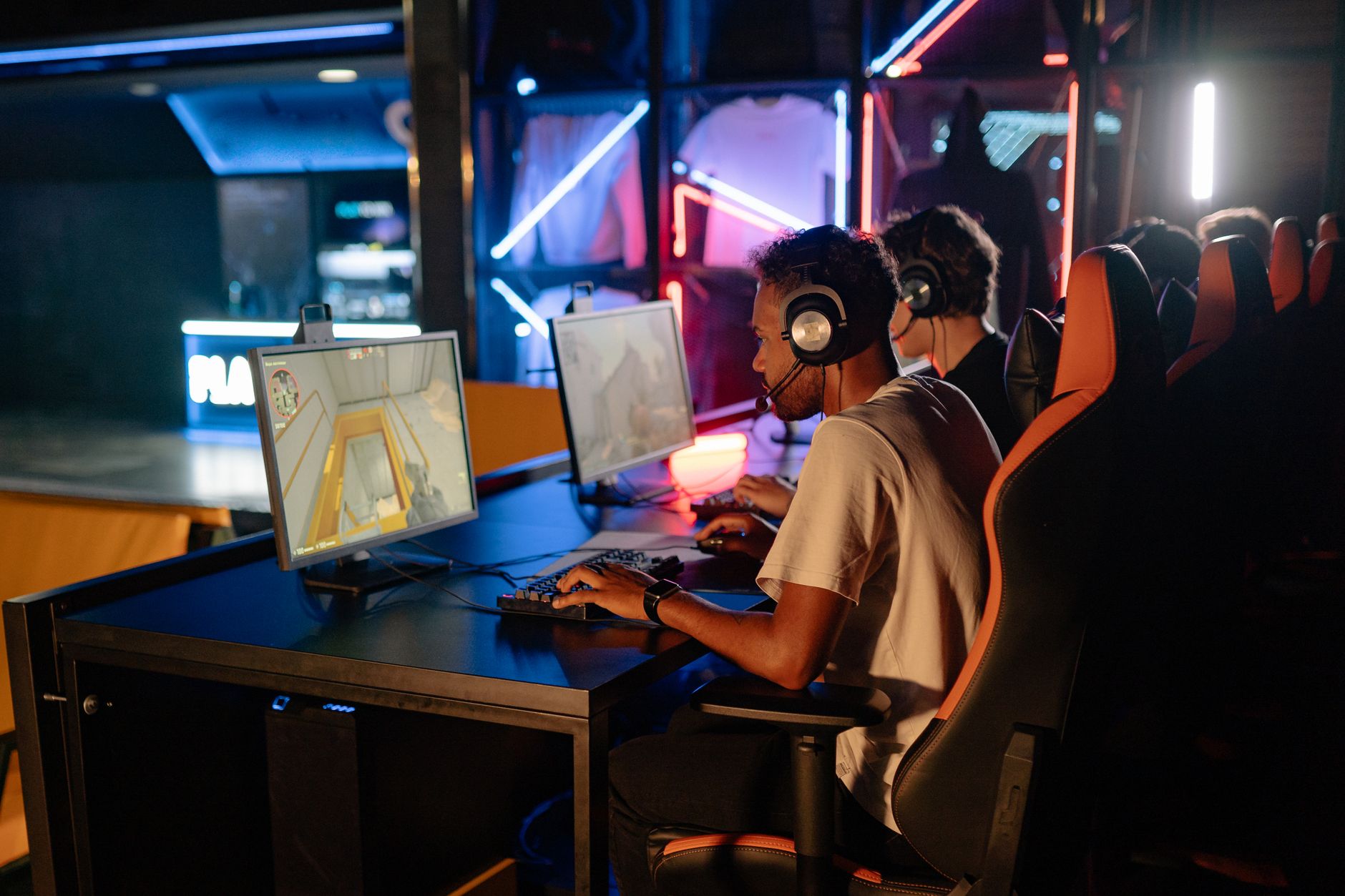
The Psychology Behind Competitive Gaming’s Strong Pull
Human motivation research offers a clear explanation for the pull of ranked play. Self-determination theory identifies three core psychological needs: competence, autonomy, and relatedness. Competitive games satisfy all three at once — players feel their skill growing, choose their own strategies, and belong to teams and communities. Ranked modes also create ideal conditions for a flow state, the deeply focused mindset described by psychologist Mihaly Csikszentmihalyi, where clear goals and instant feedback make hours feel like minutes. Defeat, meanwhile, threatens status, and the fastest way to restore it is one more match. That loop of challenge, loss, and redemption is powerful by design.
How Reward Systems and Dopamine Keep Players Hooked
Game designers borrow heavily from behavioral psychology, and the results are measurable in brain chemistry. Dopamine, the neurotransmitter tied to motivation, spikes most strongly in anticipation of a reward rather than after receiving it. Unpredictable rewards produce the strongest habits — a principle known as variable-ratio reinforcement, the same mechanism that makes slot machines so compelling. Competitive titles layer several of these systems on top of one another.
The most common engagement mechanics include:
- Ranked ladders and visible skill ratings that turn progress into a public scoreboard;
- Seasonal resets that erase hard-earned tiers and create urgency to climb again;
- Battle passes with time-limited rewards that penalize missed days;
- Near-miss outcomes, such as losing a promotion series by a single game;
- Daily login bonuses and win streaks that convert play into routine obligation.
None of these features is harmful on its own. Combined, though, they blur the boundary between entertainment and compulsion, making “just one more game” feel less like a choice and more like a reflex.
Social Pressure, Identity, and the Fear of Falling Behind
Competition rarely happens in isolation. Squad members expect teammates to show up for practice, friends compare ranks in group chats, and missing a season can mean falling permanently behind the peer group. Over time, a rank stops being a statistic and becomes part of a player’s identity — introducing oneself as a Diamond or Global Elite player carries genuine social weight. Streaming culture amplifies this pressure, since professional players and content creators openly normalize ten-hour grinding sessions. The sunk-cost fallacy then locks the pattern in place: after investing hundreds of hours, walking away feels like abandoning an achievement rather than simply changing hobbies.
When Competitive Play Meets Real Stakes and Wagers
For many fans, engagement extends beyond playing the game itself. Spectating major tournaments, joining fantasy leagues, trading in-game skins, and placing wagers all add tangible stakes to digital competition. Viewers who want an extra layer of excitement during big matches on Xon Bet, where predicting outcomes mirrors the same anticipation loops found in ranked play. Once money enters the picture, however, the emotional cost of losing intensifies, and the temptation to chase losses with one more bet or one more match grows stronger. Treating any wager as paid entertainment — with a fixed budget set in advance — keeps that excitement from turning into financial pressure.
Recognizing the Warning Signs of Unhealthy Gaming Habits
The ICD-11 defines gaming disorder through impaired control, increasing priority given to gaming over other activities, and continuation despite negative consequences, typically observed over at least twelve months. Most ranked players will never meet that threshold, but the gap between enthusiasm and escalation can be subtle. Comparing everyday behaviors side by side makes the difference easier to spot.
| Healthy Engagement | Potential Warning Sign |
| Plays after responsibilities are done | Skips work, classes, or sleep to play |
| Feels satisfied after a session | Regularly plays far longer than intended |
| Maintains offline friendships | Withdraws from relationships outside the game |
| Sets clear time and spending limits | Hides playtime or spending from family |
| Takes breaks during losing streaks | Queues compulsively to win back lost rank |
When several patterns from the right column persist for months, speaking with a mental health professional or a specialized support group is a reasonable next step.
Striking a Healthy Balance in Competitive Gaming
Competition itself is not the enemy. Ranked play builds strategic thinking, teamwork, resilience, and genuine friendships, and the vast majority of players enjoy it without harm. The goal is control, not abstinence: scheduling sessions in advance, using timers, keeping at least one offline hobby, and measuring self-worth by more than a rank badge all help keep the hobby sustainable. If any of the warning signs above feel familiar, consider a one-week break and observe how your mood, sleep, and focus respond. Have your own strategies for keeping ranked play in check? Share them in the comments and pass this piece along to a teammate who might need it.