
Solo travel is empowering, especially for women whose abilities and values can be undermined. However, there’s a certain group of women who might need to prepare a bit extra for solo travel. Adult women with ADHD symptoms exhibit unique, sometimes contradictory behavior that needs extra attention when traveling.
While women with ADHD symptoms have many strengths that can be useful for traveling, the challenges they experience in daily life are more noticeable while traveling alone. It may be due to stress, unmasking, unfamiliar situations, and new experiences.
Many solo travel tips assume a neurotypical brain. This guide elevates solo travel tips for women to a different level. Instead of generic advice, it offers practical, symptom-specific strategies designed to help travel safely and comfortably.

8 Solo Travel Tips for ADHD Symptoms in Adult Women
Travel can completely change routines, feelings (both sensory and in the head), and the number of decisions you have to make each day. Solo travel is another level of challenge because you are the only person to rely on.
According to testimonies of hundreds of adult women with ADHD online, solo travel is freeing to them. When they adapt their plans to meet their neurodivergent needs, solo travel becomes less overwhelming. Each tip below targets a common challenge adult women with ADHD might experience while traveling alone.
1. Complete ADHD Symptoms Test
Before you plan a trip or use any solo travel tips, it helps to understand which ADHD symptoms affect you the most. Adult ADHD in women usually looks different from stereotypes. Instead of constant hyperactivity, it usually shows up as forgetfulness, overexpressed emotions, time blindness, or low self-confidence, especially under stress.
The best way to educate yourself about your ADHD symptoms is to take an online test. A woman-aware screening like the Breeeze ADHD Test can help you identify your dominant symptoms and how they tend to surface in (un)expected situations. This kind of self-assessment is not a diagnosis, but it can offer personalized insights.
When you know whether your biggest challenges are impulsivity, executive dysfunction, or emotional regulation, you can choose travel tools that actually support you, instead of relying on generic or, even better, neurotypical advice that doesn’t fit your brain.
2. Put Lists and Reminders Everywhere
Travel requires keeping numerous things in mind: tickets, documents, packaging, activities, planning, new languages, safety measures (as a solo woman traveller), etc. But if you’re an adult woman who shows ADHD symptoms, it might be harder to remember everything because of the thought hurricane that happens inside your head every minute.
ADHD-related forgetfulness can also increase during solo travel because the brain is processing new places, sounds, and decisions all at once, as it knows that there’s no one to count on.
The solo travel tip is to use lists and reminders for everything:
- (Un)packing
- Daily plans
- Planned activities
- Emergency bag
- Medications
Instead of relying on memory, externalize it as much as possible. Visual reminders work especially well. Notes on your phone’s home screen, calendar alerts, or even handwritten lists can reduce mental load. This isn’t about being more disciplined; it’s about building systems that support your brain when stress and novelty make remembering harder.

3. Schedule Buffer Time at Every Step
Problems with time management and organization are the result of a balance of chemicals in the brains of people with ADHD. In women with ADHD, these symptoms might be more prominent because girls are brought up to internalize their restlessness, which results in time blindness.
Time blindness is a real problem when solo travelling. One tip is to schedule buffer time at every step of your trip. Say, you must arrive at the train station at 8.30 am, plan to arrive at 8.10-8.20 am. Transport delays can happen, or your daily routine might take longer than expected.
Treat buffer time as a safety feature, not wasted time. Usually, these 10-20 spare minutes are not even palpable, but they significantly release inner tension.
4. Make the Trip Fun and Comfortable
Adult women with ADHD can experience a symptom called executive dysfunction. It makes it hard to start tasks, make decisions, or follow through with instructions, especially when you’re tired. Many women don’t have a language for this symptom and might think that they are lazy, while it’s how their ADHD manifests.
Solo travelling with executive dysfunction can be especially tiring because of all the things you have to do. In such moments, it’s recommended to lean into comfort or extra stimulation.
Plan small pleasures or something that will keep you engaged in your trip. Pack familiar snacks, listen to upbeat music, drink soda, and spoil yourself a little. When your brain gets enough dopamine and physical comfort, it’s much easier to handle logistics and stay regulated.
5. Create a System for Your Stuff
Do you also have a not-so-dirty clothes chair? Messiness as an ADHD symptom might be challenging for women who travel solo because they are “free” to be messy. Although it’s good to give an outlet to disorganization and freedom, messiness can also negatively impact other ADHD symptoms in women.
One solo travel tip to stay neat during solo travel is to create simple, repeatable systems:
- Use pouches for categories like documents, electronics, toiletries, and daily essentials.
- Assign fixed spots for important items, even if they’re not perfectly organized.
- Designate a laundry bag, where you’ll put all the clothes you won’t wear on the trip anymore.
- Daily tidying up shouldn’t be exhausting, but can consist of something simple like reorganizing your daily bag.
Consistency matters more than aesthetics. When you always know where something goes, you spend less energy searching and more energy enjoying your trip.
6. Prioritize Your Activities
Impulsivity is one of the things that makes solo travel exciting and unique, but it has its drawbacks because it can lead to overbooking, overspending, or emotional burnout.
Dealing with impulsivity as an ADHD symptom in adult women requires therapy and many efforts. For short solo trips, there is a tip to “anchor” to certain activities. Have a table with two columns: “Want” and “Can.” If your impulsive wish fits well within two columns, you can definitely go with it. You can still be spontaneous, but from a place of choice rather than pressure.
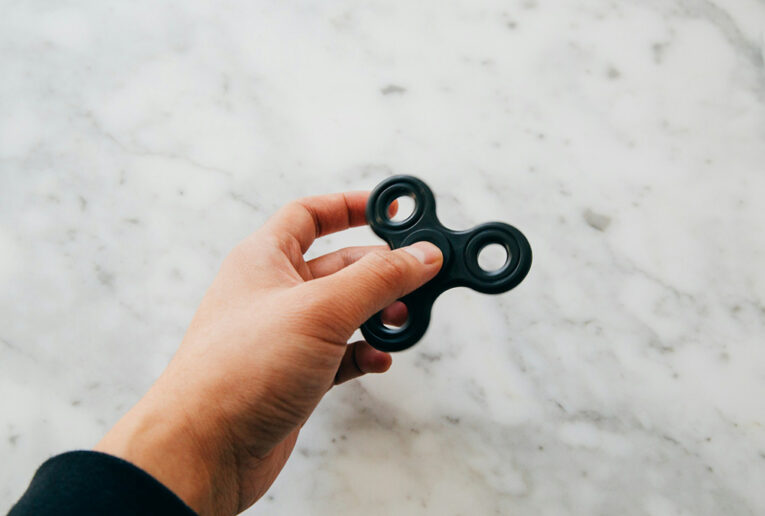
7. Bring Fidget Toys
Inner restlessness is one of the most common ADHD symptoms in adult women. Because of it, they may bite their nails, pull their hair, shake their legs, swing back and forth, etc. In certain situations, fidgeting during solo travel might be considered inappropriate or dangerous (for example, biting nails in public places without having the opportunity to wash hands).
Restlessness might even intensify during travel, especially while waiting, sitting in transit, or navigating crowded places. Bringing small fidget tools to regulate this excess energy without drawing attention. Items like stress rings, textured keychains, putty, or even a smooth stone can provide sensory input that keeps your body grounded.
8. Do Bite-Size Activities
Although low self-esteem in women with ADHD isn’t an official diagnostic criterion, low self-worth is extremely common in adults with ADHD. It might come from years of feeling “behind” or not doing enough.
Solo trips are one of the most effective measures to improve self-esteem, but only if done correctly. One tip for women: Instead of aiming for full days of activities, break your plans into small, achievable steps.
One café visit or one short walk can be enough for a day. Completing small activities builds confidence and reduces self-criticism. Progress during solo travel isn’t measured by how much you do, but by how safe, present, and kind you are to yourself along the way.