
Contents
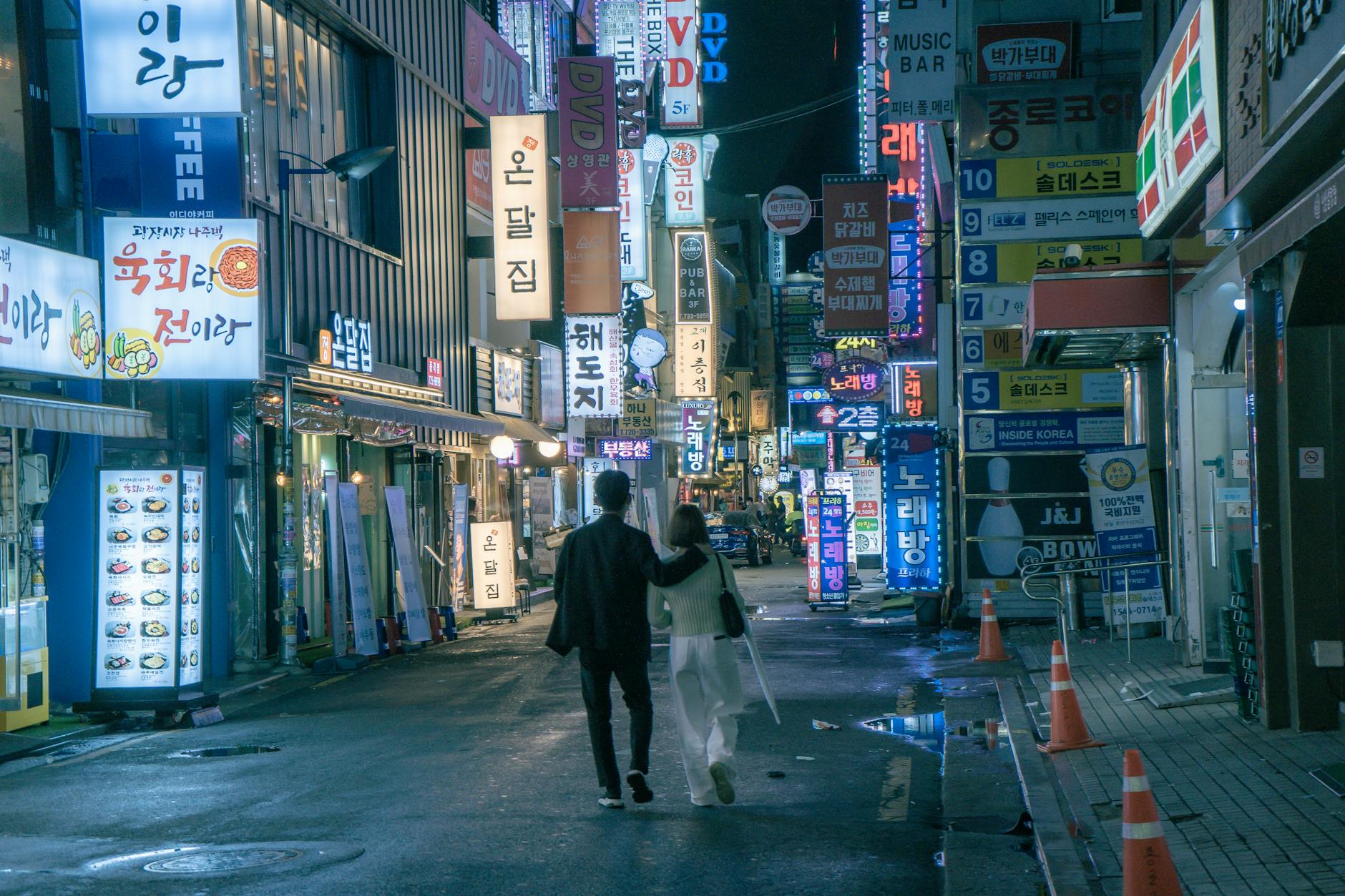
When the sun sets on Seoul, the shiny neon lights of the town cast the streets in bright, fluorescent hues. The rhythm of popular clubs such as Hongdae and Gangnam fills the air. But the adventure doesn’t end behind velvet ropes or dance floors, as there is a world concealed beneath the glow of plastic coverings, at the congested street corners, and smouldering over basic grills. That is the mysterious realm of the pojangmacha.
A pojangmacha, literally meaning ‘covered wagon’, is basically a street food stall in Korea. The vision depicts a fluorescent-lit haven, encircled by vinyl walls, the sound of hotplates sizzling, and the banter of friends. These are the places where Seoul reveals her soul at night. It is democratic, tasty, and totally thrilling.
No need to make reservations, you can book your seat on a plastic stool, your table is a folding one, and your possibilities are unlimited. And if you appreciate the comfortable, yet little luxuries in life, you’ll use the energy from such a thrilling night out to play your favourite online games at playamo.com/en-CA/games/live-casino and hit huge, real-life jackpots!
The Gateway to a Different Seoul
Entering into a pojangmacha is equivalent to going through a portal. One minute you are in the chill, well-organised modern metropolis. The second one, you are in a warm and gloriously intimate universe.
The air is filled with intoxicating odours, like with Tteokbokki (spicy rice cake), which is sweet and chewy and simmers in a red sauce beside golden and pan-fried mandu (dumplings). Odeng (fish cakes) skewers are steamed in a savoury broth, and you just draw them out of the commonly prepared pot. The soju is, however, usually the star of the show. It is the essence of the pojangmacha.
The social guidelines are clear-cut; be polite, be amiable, be prepared to have a chat with the ajumma (auntie) or ajusshi (uncle) who is operating a tent. They are the cooks, the bartenders, and occasionally even therapists, all in one.
A Feast for the Senses and the Soul
It is a concert of charming opposites. There could be a cold breeze rustling the vinyl walls, but you are feeling the warmth of the food and the soju. The stools are precise and shaky, but you have a feeling of being fully in the present. Your food is presented on disposable dishes. Yet, the tastes are very profound and intricate. You’ll hear the explosive laughter of a group of office workers finally free from their ties. There will be the sizzling sound of pajeon (scallion pancake) as it hits the oil, along with the cheerful cry of “geonbae!” (cheers!). It’s a lively performance in which you play the dual role of audience member and participant.
The Real Social Network of Seoul
Where social media links us digitally, the pojangmacha ties us physically, as it is where connections are cemented. There is no sight like the sight of Seoul life, gently crushed by these tents. Next to a table with tired-but-joyful construction workers is a group of young artists arguing heatedly. A couple on a date eats a pancake with seafood.
It is not only possible, but it is encouraged to initiate a conversation with strangers, as walls are broken down by the common space and the spirit of drinking soju. You may go home with new friends, some heartfelt advice, or the warm recollection of a mutual nod and smile over an especially good bite.
Where Tradition Meets the Modern Pulse
The beauty of the pojangmacha is its timeless adaptability. It is a tradition that has effortlessly evolved. While the core foods remain classic, many tents now offer modern twists, adding cheese to tteokbokki, or serving trendy fruit-flavoured soju alongside the classic green bottle.
You’re as likely to hear the latest K-pop hit playing from a portable speaker as you are to hear the owner’s old trot music favourites. They are anchored in the Korean ppalli ppalli (hurry hurry) culture, providing quick, hearty meals. Yet, they also force you to slow down, to linger, to savour. In a city racing toward the future, they are cherished pit stops of the past.