
Contents
Some of the best travel stories begin at a railway station. There’s something about the rhythm of a train journey, the changing scenery and the absence of a boarding gate that makes the trip feel like part of the holiday instead of a chore to endure. That mindset sits comfortably alongside sea travel, and more British travellers are discovering that a cruise can be reached without a single flight.
Why Rail and Ship Make Sense Together
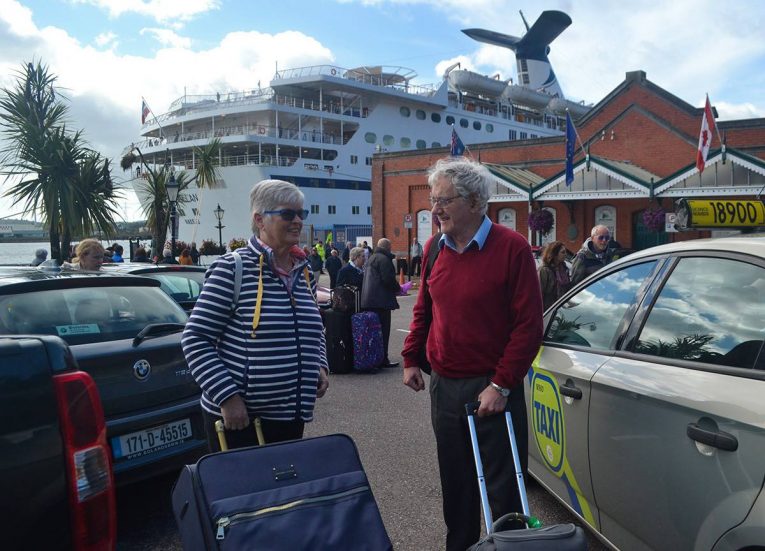
Both modes reward patience. Neither is built for speed, but both give plenty of room to look out of the window, read a book or watch the landscape change. Combining them removes the most stressful parts of a modern holiday: the early-morning check-in, the baggage weighing and the shuffle through security. For anyone in the south east, cruises from Tilbury are among the easiest ways to try this, because the terminal is reachable by regular train services from London Fenchurch Street to Tilbury Town.
From the station, the terminal is a short taxi or shuttle ride away. Tilbury sits in Essex, about 25 miles from central London, so the whole journey from the capital can be done in comfortable stages rather than one long push.
Practical Tips for Travelling by Train With Luggage
Luggage is the main challenge. Cruise cases tend to be larger than airline carry-ons, and a rush-hour carriage isn’t the ideal place to wrestle with one. Travelling outside peak times makes life easier, as does packing one main suitcase and a small rucksack instead of several awkward bags. Checking train times and any engineering works the day before can save a lot of stress, particularly at weekends.
Allow generous time for the final stretch. A missed connection shouldn’t derail a sailing, so aim to arrive at the terminal well ahead of the boarding window. Having a booking reference, passport and cabin documents easily accessible helps, and a printed backup is worth carrying in case a phone battery gives up.
What Slow Travel Looks Like at Sea
The appeal of a ship is that the journey itself becomes the destination. Days at sea offer a rare chance to switch off, with nowhere to be and nothing to rush for. Sunrise over a calm horizon, an evening on deck with a hot drink and the gradual approach to a new port are experiences that flights simply can’t provide.
Ports along the way reward independent exploring. A morning wander through a harbour town, a local market for lunch and a steady walk back to the ship covers plenty of ground without the cost of a formal excursion. It’s an approach that suits anyone who prefers to find their own way rather than follow a flag on a stick.
Where the Ships Go From Essex
Itineraries from Tilbury range widely. Norwegian fjords, Northern Europe, the British Isles, the Mediterranean and the Canary Islands all feature, along with longer voyages that cross the Atlantic. Several lines operate from the port, including Ambassador, Fred. Olsen, Viking, Azamara and Oceania, so there’s a spread of styles and budgets.
Making the Most of the Journey Itself
A train trip works best when it’s treated as part of the holiday. A flask of tea, a paperback and a window seat set the tone far better than a frantic scroll through emails. Keeping a notebook handy is a good habit too, because the first impressions of a journey fade quickly, and a few lines scribbled in a carriage can bring a whole day back months later.
Anyone who enjoys exploring on foot will appreciate the way the Thames estuary unfolds from the train. Marshland, working docks and the wide grey river make a very different opening scene from an airport departure hall.
Pace Yourself Ashore
Slow travel is as much a mindset as a method. In port, there’s often a temptation to join a packed excursion and tick off sights at speed. A looser approach tends to be more rewarding. Walking away from the harbour front, stopping where the locals eat and following a side street for no particular reason can reveal far more than a guidebook route.
It’s wise to keep an eye on the clock, because ships wait for no one. Setting a phone alarm for an hour before the all-aboard time, and keeping the ship’s contact number to hand, gives peace of mind while wandering.
Short sailings of two to five nights are particularly useful for anyone testing the water. They give a taste of life on board, and the return to Essex makes the trip home straightforward.
A Lower-Impact Way to Start a Holiday
Travelling by train to the ship also trims the stress of the day. There’s no motorway queue, no parking to arrange and no airport hotel the night before. For many people, that calm is worth more than any saving on the ticket itself.
It won’t suit everyone, and cruising has its own environmental debates. But for those who want a holiday that starts the moment they leave the house and unfolds at a gentler pace, it’s an option that deserves a place on the list.