
Contents
Tivat doesn’t announce itself. There are no dramatic cliffs plunging into turquoise water, no ancient walled cities rising from the hillsides. It just sits there, quietly, at the edge of the Bay of Kotor – breathing at a pace that most coastal towns seem to have long forgotten.
And yet, somehow, Tivat has become the address that serious travelers whisper to each other. Not shout. Whisper. It’s worth asking why.
Why Tivat Feels Different
There’s a peculiar quality to places that don’t try too hard. Dubrovnik tries. Santorini tries. Even parts of the Montenegrin coast – Budva, with its fortress bars and thumping summer nights – tries visibly, almost desperately. Tivat doesn’t bother.
What you get instead is a town that functions on its own terms. The mornings smell of espresso and salt. The evenings drift into something slow and golden. In between, there’s a version of Mediterranean life that feels borrowed from an older era, before everyone started photographing their lunch.
This isn’t accidental. Tivat sits at a kind of geographical sweet spot – sheltered by the mountains that ring the Bay of Kotor, protected from the worst of the summer winds, and far enough from the tourist highways to maintain its own rhythm. The result is a microclimate – both physical and social – that prizes comfort over performance.
Porto Montenegro: The Plot Twist
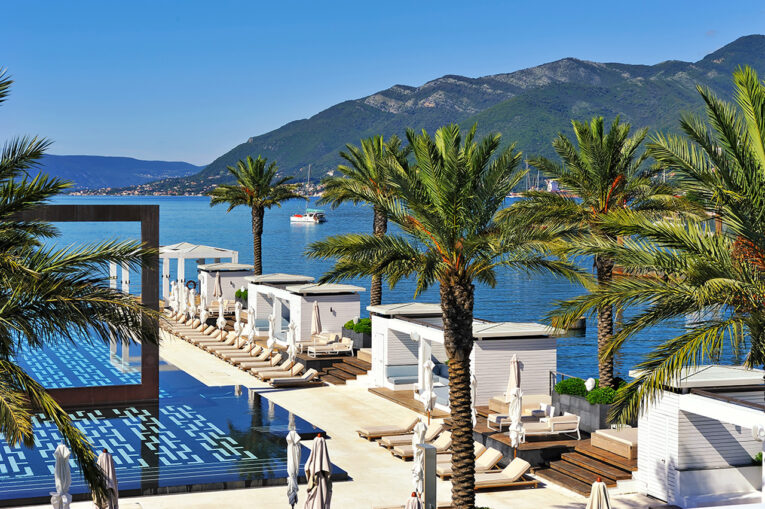
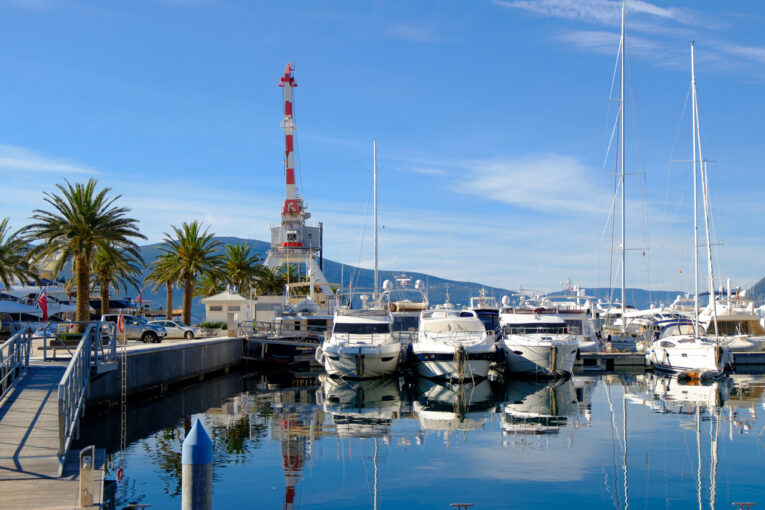
Any honest account of Tivat has to reckon with Porto Montenegro. In 2007, a former military base in the town’s heart was transformed into one of the Adriatic’s premier superyacht marinas. It was, depending on your perspective, either a bold act of reinvention or an intrusion of wealth into something that didn’t need it.
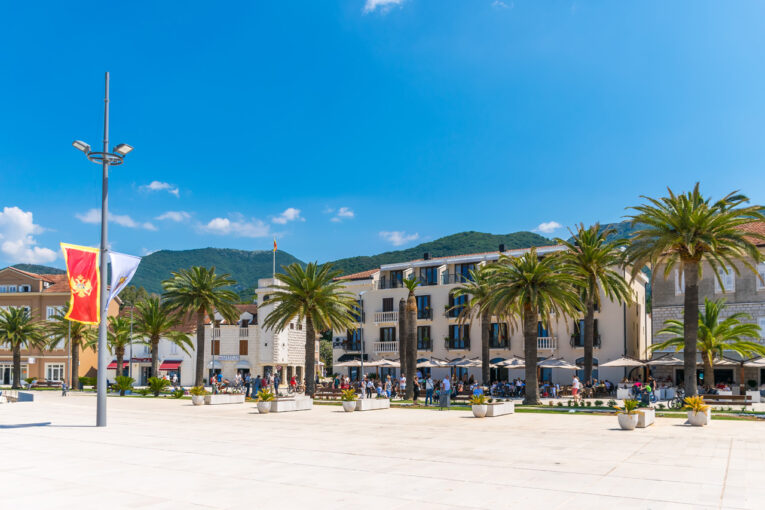
The truth sits somewhere more interesting. Porto Montenegro changed Tivat without replacing it. The marina brought international restaurants, boutique shopping, and a genuinely elegant waterfront promenade. But it didn’t bulldoze the surrounding town. The old neighborhoods remain. The local bakeries are still there. The women selling figs from garden baskets still appear in summer.
What Porto Montenegro actually did was give Tivat a kind of economic backbone – something that allowed the town to maintain quality without resorting to the cheap-and-cheerful tourism model that has hollowed out so many coastal settlements across the Mediterranean.
The result is a place where you can drink exceptional Montenegrin wine in a restaurant with views of yachts worth more than most European apartments, then walk ten minutes and pay two euros for a coffee at a table where locals have been playing cards since before you were born.
The Bay That Changes Everything
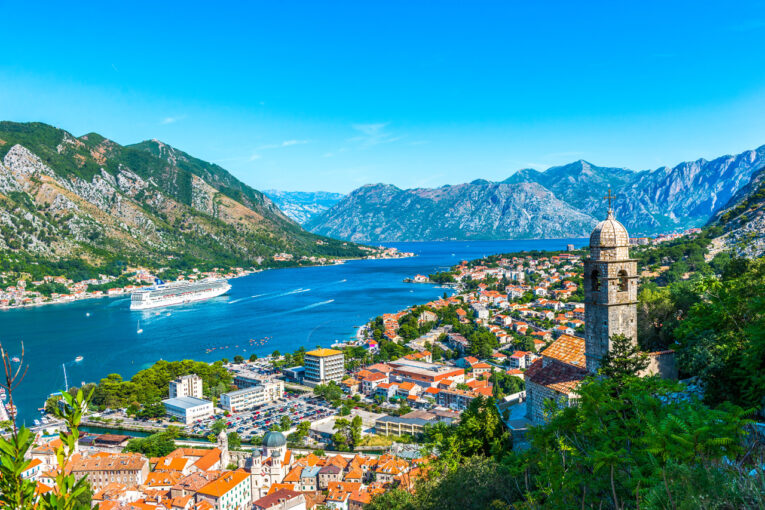
Geography matters here. The Bay of Kotor – often called the southernmost fjord in Europe, though geographers will argue about that – shapes everything about how Tivat feels and functions.
The water in the bay is calmer than the open Adriatic. It’s warmer in the shoulders of the season. And the ring of mountains that surrounds it creates a visual intensity that’s genuinely hard to prepare for. You come around a bend in the road, or step onto a jetty at the right moment, and suddenly there are these walls of dark limestone rising from the water in all directions – and the whole scene looks less like real life and more like something a landscape painter invented on a particularly inspired afternoon.
For swimmers, the bay offers beaches that range from proper shingle stretches to small, semi-private coves tucked between olive groves and old stone walls. Plavi Horizonti – Blue Horizons – is the most celebrated, a stretch of fine shingle on the Lustica Peninsula that rewards the fifteen-minute drive from town with remarkable clarity and a quality of light that shifts dramatically through the day.
What to Actually Do There
This is where Tivat earns its reputation for effortlessness. The activities here are not engineered. Nobody is trying to fill your schedule. But that doesn’t mean there’s nothing to do – it means the doing is quieter, more self-directed.
Things Worth Your Time in and Around Tivat
- u
- Kayaking through the Bay of Kotor at dawn – when the water is glass and the mountains are still in shadow
- Renting a small boat for the day and navigating toward the Church of Our Lady of the Angels on the Lustica Peninsula
- Cycling the flatter coastal roads toward Lepetane and stopping wherever looks interesting
- Visiting the Buća-Luković summer palace, a quietly beautiful example of Baroque coastal architecture
- Walking the Porto Montenegro promenade at dusk, when the light on the water turns improbably warm
- Taking the ferry across the bay to Lepetane for no particular reason except the crossing itself
For those who want something more structured, there are well-organized options available through platforms like Excurzilla, which covers everything from boat tours into the bay to guided walks that put the history of this coastline into coherent context. The full range of Tivat tours and activities includes options for different paces and interests – from the genuinely active to the entirely contemplative.
The Food Situation
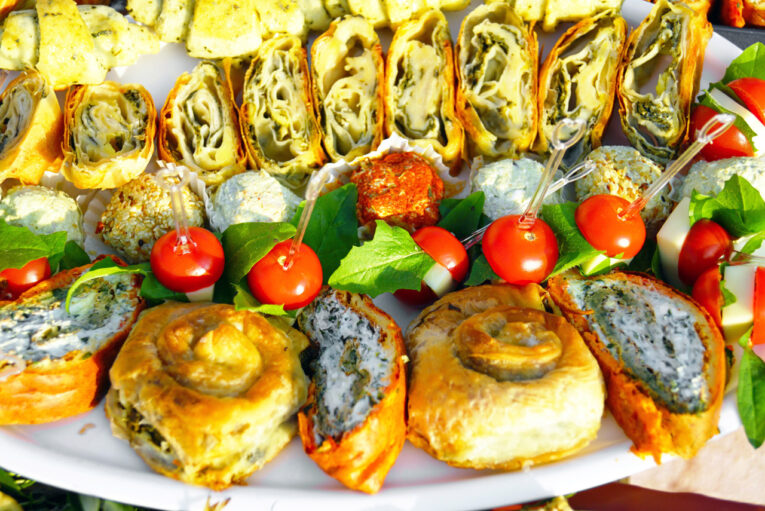
Montenegrin coastal cuisine is an odd, lovely hybrid. Italian influence is strong – you’ll find fresh pasta and wood-fired preparations that would be at home in Puglia. But there’s also a distinctly Balkan depth: lamb slow-cooked under a peka, smoked prosciutto from the highlands, cheeses that range from mild and creamy to intense and aged. The seafood is as fresh as you’d expect from a working fishing community, and considerably less expensive than equivalent quality in Croatia or Greece.
In Tivat specifically, the restaurant landscape splits fairly cleanly between Porto Montenegro’s more polished options and the town’s older establishments. Both are worth exploring for different reasons.
A Few Specific Things Worth Noting
- The restaurants near the old town market serve grilled fish that arrives simply – just the fish, olive oil, and lemon – and somehow needs nothing else
- The bakeries opening before 7am produce burek and pastries that will make you question your breakfast habits at home
- The wine bars around Porto Montenegro, though slightly priced for the setting, pour Montenegrin Vranac – a red grape that deserves considerably more international attention than it currently gets
- The morning market itself is the best place to understand what local agriculture actually produces: tomatoes that taste like tomatoes, herbs that perfume everything around them
When to Go
July and August exist in their own category. The marina fills with yachts. The restaurants run at capacity. The town maintains its composure better than most – the superyacht crowd tends toward discretion, which sets a different tone than the lager-and-sunburn tourism of some neighboring spots – but it’s crowded in a way that changes the experience.
June and September are the honest answers to the timing question. The water is warm enough for serious swimming by early June, and the September light has a quality – lower, more amber, longer evenings – that photographs and memories equally well. Prices drop , accommodation opens up, and the town relaxes into something closer to its natural state.
May and October deserve mention for a different kind of traveler. The mountains around the bay hold snow into April, and by May the contrast between the green hillsides and the deep blue water is at its most vivid. October feels almost melancholy in the best way – empty promenades, a handful of restaurants still open, mornings that require an actual jacket for the first time. There’s something honest about Tivat in October that the peak-season version can’t quite replicate.
What Tivat Is Actually About
At its core , Tivat is a study in restraint. Not austerity – there’s nothing austere about good food, warm water, and mountains that turn colors in the evening light. But restraint in the sense of not needing to be more than it is.
Some places are defined by what they offer. Tivat is partly defined by what it withholds – the noise, the manufactured experiences, the relentless requirement to be entertained. It trusts you to bring your own attention and curiosity, and it rewards both generously.
The marina added a layer of international polish. The bay provides the setting. But the character beneath all of that is something older and harder to manufacture: a town that simply knows how to exist beside the water without making a production of it. That’s rarer than it sounds.