
Contents
Mobile technology did not just shrink digital gaming onto a smaller screen. It changed what gaming sessions are, when they happen, and how often they return. Better processors, stronger displays, simpler payments, and faster networks turned the phone into the default device for millions of users. Once that happened, the entire industry had to adapt around portability.
The result is a different kind of relationship with gaming. The user is no longer sitting down to begin a session in a formal way every time. He may open a game on a break, continue one at home, return later from the sofa, and check results while doing something else entirely. Mobile technology made gaming more woven into the day.
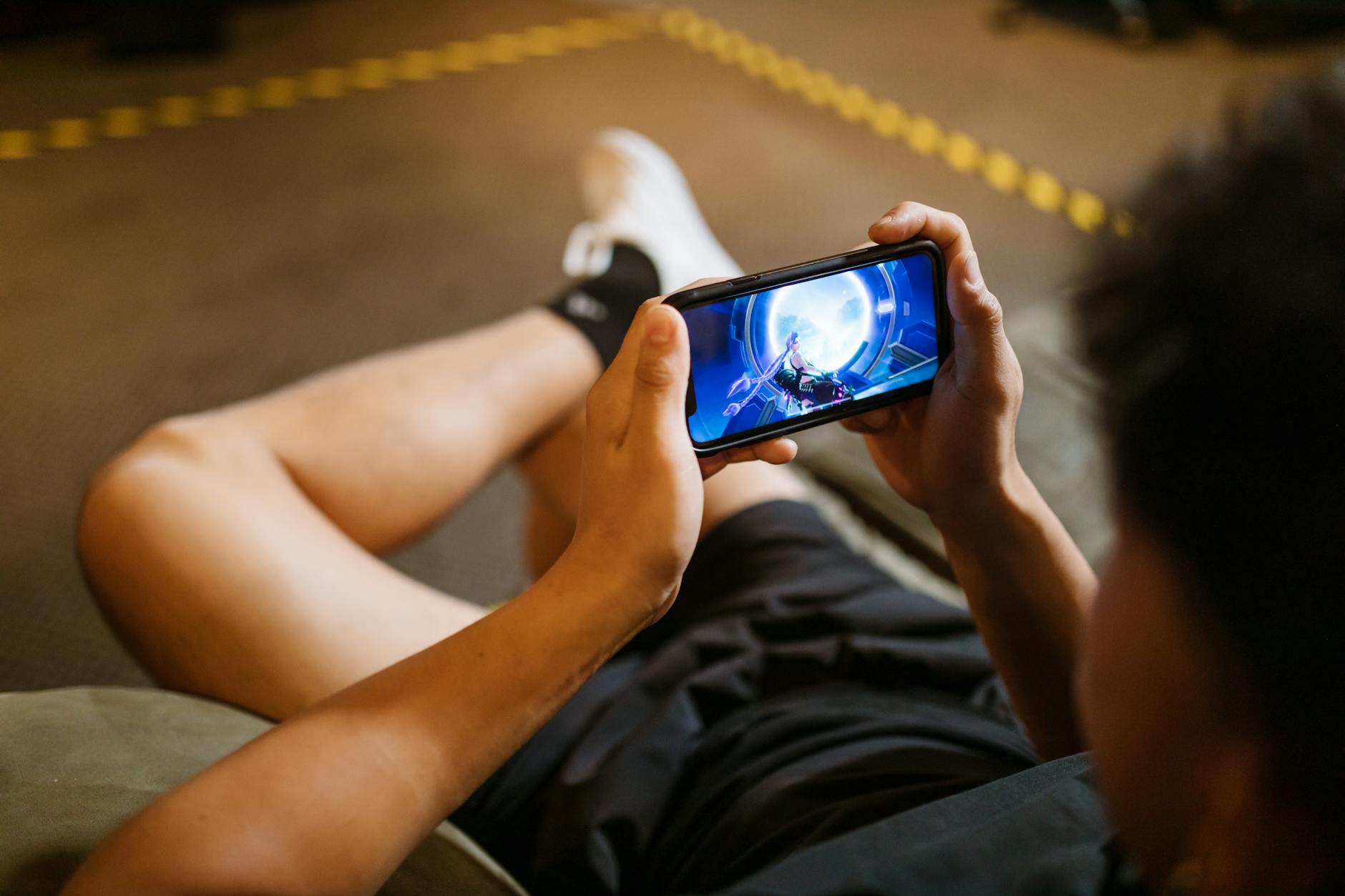
Portable power changed expectations
Once phones became reliably capable of handling richer visuals and smoother interaction, users stopped making excuses for weak mobile experiences. They expected gaming products to feel finished on the phone, not merely tolerated there. That pushed developers toward cleaner interfaces, clearer touch controls, and faster performance.
It also changed patience. Mobile users expect the path from idea to play to be short. Any unnecessary delay now feels heavier on a handheld device than it once did on desktop.
Payments and connectivity completed the shift
Hardware alone did not transform digital gaming. Payments and network reliability helped finish the job. Once users could move in and out of platforms more smoothly, and once stable connectivity made live content practical, the phone became the natural center of the experience.
- Mobile technology changed not only quality but frequency of play.
- Phones reshaped user patience around loading, navigation, and entry speed.
- Connectivity made live and interactive gaming more viable on the move.
Why Mobile Made Casino Gaming Feel Native to Daily Digital Life
Fast formats found the right screen
Casino gaming gained real momentum on mobile because it matched habits that were already shaping digital entertainment. People got used to short sessions, quick choices, and interfaces that respond instantly to touch. In that environment, a casino game online no longer feels like a desktop product squeezed onto a smaller screen, but a format that suits the device from the start. Quick rounds, clear menus, and immediate visual feedback all work especially well on a phone, where convenience often decides what stays in the routine. When the platform is built properly, the experience feels smooth, direct, and easy to revisit. That natural fit explains why mobile became such an important driver of casino gaming growth.
Apps made repeat visits easier
The next shift came from how players return, not just how they play. Mobile users tend to stick with platforms that reduce friction and make familiar sections easy to reach in seconds. That is why melbet app download makes sense in this conversation, because a dedicated app usually offers faster loading, steadier performance, and a cleaner route back to preferred games than a browser flow. In digital gaming, consistency matters because small delays and awkward navigation break the rhythm people want. The easier it is to reopen, tap, and continue, the more naturally that behavior turns into habit. Strong apps succeed not by reinventing the experience, but by making it simpler to stay connected to it.
The main lesson is that device shapes behaviour
People often talk as if technology only enables what users already wanted. In digital gaming, the device also reshaped the desire itself. Once the phone made short, frequent, portable sessions easy, many people began to prefer them.
That is the deeper story of mobile technology in gaming. It did not simply improve access. It rewrote the rhythm.
Mobile technology also changed expectations around personalization. Users now assume they can adjust notifications, save preferences, and return to familiar categories without rebuilding the experience each time. That sense of continuity encourages longer-term loyalty.
The mobile shift also made gaming more private and more social at once. Sessions can happen quietly in personal time, yet recommendations, clips, and chats keep feeding discovery from the outside. That duality is one of the reasons phone-based gaming became so dominant.
Even battery life and storage expectations play a role. Once users feel a gaming app runs smoothly without exhausting the device, they are far more willing to make it part of daily routine.
Once that trust is established, the phone stops feeling like a secondary option and becomes the natural place to play.