
Contents
Bali may be Indonesia’s most recognizable holiday destination, but the country has far more to offer than beach clubs, rice terraces, and crowded sunset viewpoints. Travel farther east, and the scenery begins to change. Bustling tourist towns give way to rugged volcanic islands, quiet stretches of coastline, and landscapes that feel remarkably different from the tropical image most visitors associate with Indonesia.
Among these destinations, Komodo National Park stands out as one of the country’s most extraordinary natural attractions.
Located between the islands of Flores and Sumbawa, this UNESCO World Heritage Site combines dramatic scenery, rare wildlife, and remarkable underwater ecosystems. It is home to the famous Komodo dragon, but these prehistoric-looking reptiles are only part of the experience.
From hiking across golden savannas to snorkeling above colorful coral reefs, a journey through Komodo offers a different perspective on Indonesia.
For travelers who want to explore beyond Bali, here is why Komodo deserves a place on the itinerary.
Why Komodo Is Worth the Journey Beyond Bali
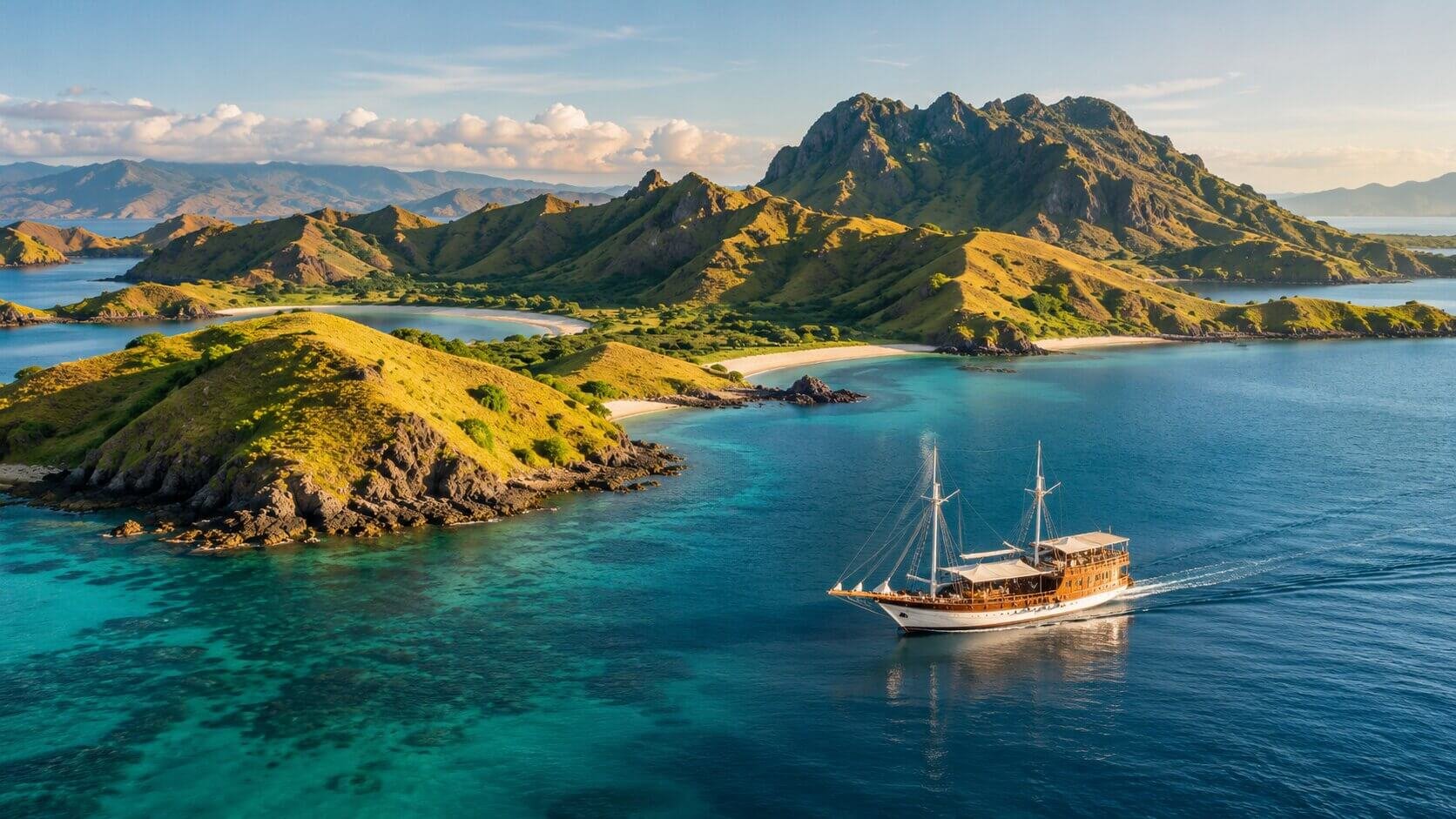
Indonesia is an archipelago of thousands of islands, each with distinctive landscapes, cultures, and ecosystems. While Bali is celebrated for its temples, surfing, and vibrant hospitality scene, Komodo offers something different: an adventure built around nature, wildlife, and travel by sea.
Much of Komodo National Park remains protected, with visitor access managed through designated routes and permitted activities. Instead of moving between attractions by car, travelers explore by boat, passing islands with steep hillsides, secluded beaches, and sheltered bays.
The landscape changes throughout the year. During the wetter months, rainfall can turn the hills noticeably greener. As the dry season progresses, much of the savanna takes on golden and brown tones that contrast beautifully with the surrounding turquoise water.
The park is also part of the biologically significant Wallacea region, where Asian and Australasian ecosystems meet. This unusual geographical position contributes to its distinctive wildlife and remarkable marine biodiversity.
It is a destination that rewards travelers who appreciate the journey as much as the attractions themselves.
6 Unforgettable Experiences That Make Komodo Special
Although the Komodo dragons attract international attention, the national park offers a much wider range of experiences.
These six highlights explain why the region deserves more than a quick stop on an Indonesian holiday.
1. Encounter Komodo Dragons in Their Natural Habitat
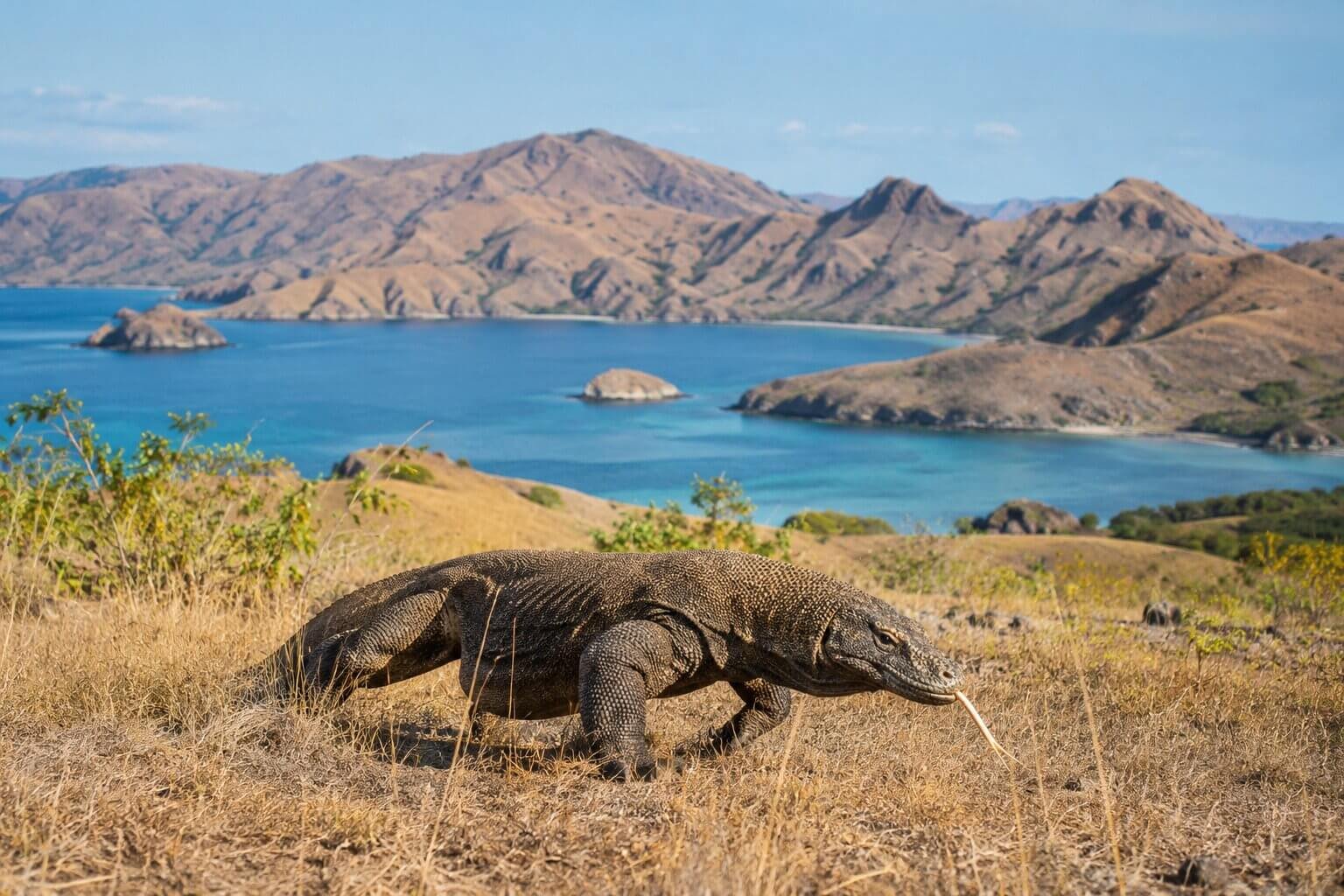
Komodo dragons are the world’s largest living lizards and one of Indonesia’s most recognizable wildlife species.
These powerful reptiles live naturally in the region, with managed visitor experiences available on Komodo Island and Rinca Island.
Unlike wildlife encounters in conventional zoos, visitors explore designated walking routes through natural habitats. Accompanied by authorized guides or park rangers, travelers can learn about the animals’ behavior, hunting habits, and ecological importance.
However, sightings are never guaranteed. Komodo dragons are wild predators, and visitors must follow ranger instructions, maintain a safe distance, and avoid approaching or feeding wildlife.
For many travelers, simply walking through an environment where these extraordinary animals live is an unforgettable experience.
2. Hike to the Spectacular Padar Island Viewpoint
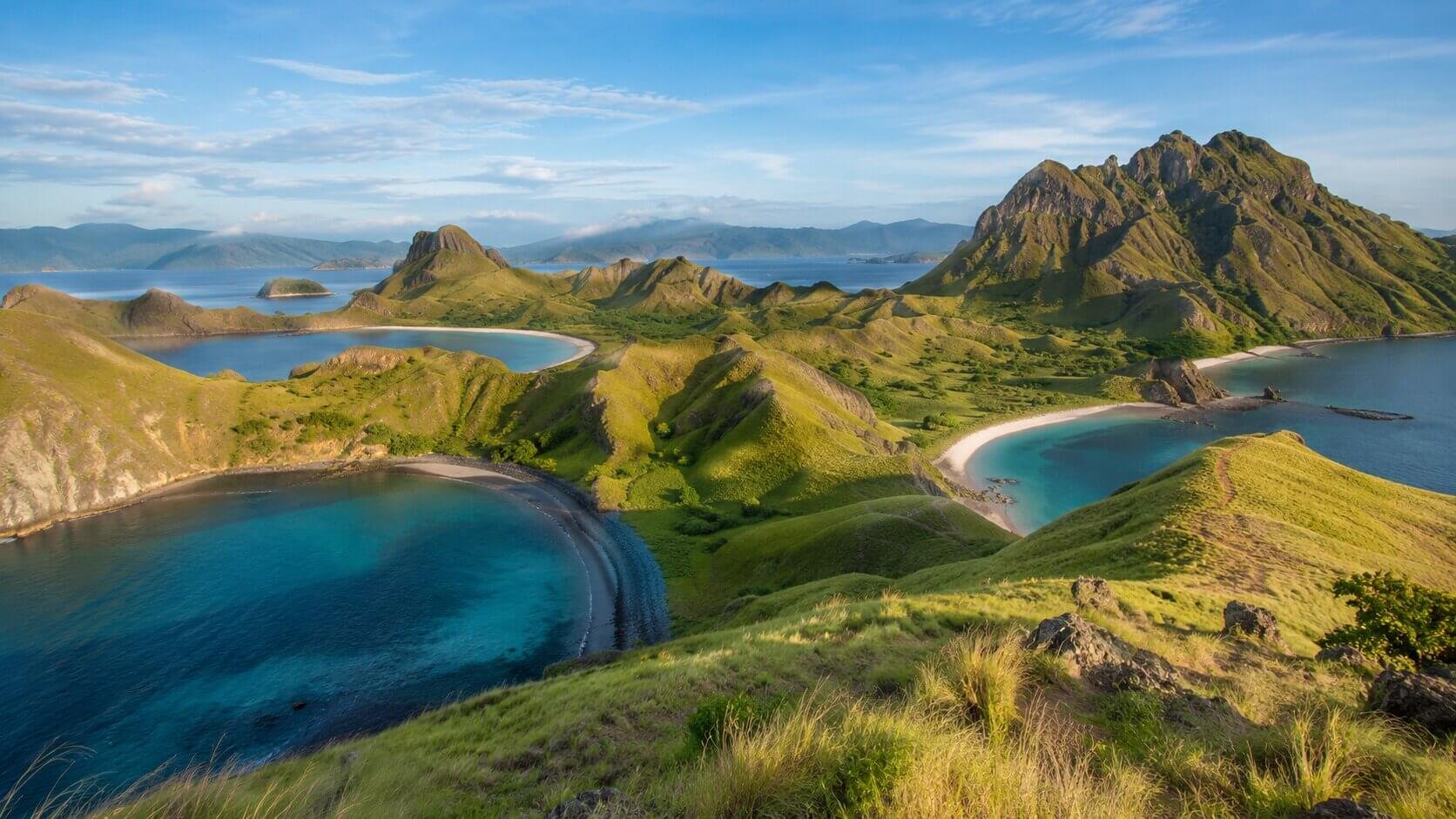
Few landscapes in Indonesia are as instantly recognizable as Padar Island.
Its famous viewpoint overlooks sweeping hills, curved bays, and beaches framed by blue water. The scenery creates one of the most distinctive panoramas in Southeast Asia.
Reaching the viewpoint involves climbing an exposed trail with steps and uneven sections, making comfortable footwear and drinking water essential.
Early morning visits are particularly appealing because temperatures are generally cooler and the softer light makes the surrounding landscape especially photogenic.
While the hike requires some effort, the panoramic views provide a memorable reward.
3. Discover the Unusual Beauty of Pink Beach
Indonesia has countless beautiful beaches, but Komodo’s Pink Beach offers something less ordinary.
Its distinctive pinkish sand results from a mixture of pale sand and reddish fragments of marine organisms, including foraminifera associated with the surrounding reef environment.
The intensity of the pink coloring varies with lighting, moisture, and the particular section of beach.
Beyond its appearance, Pink Beach is also a popular stop for swimming and snorkeling when conditions permit.
Clear water and nearby coral habitats make it a rewarding place to experience the marine environment without necessarily joining a dedicated diving expedition.
As with other protected marine locations, visitors should avoid stepping on coral, collecting sand, or disturbing marine life.
4. Snorkel Among Coral Reefs and Tropical Fish
Komodo National Park is not only about its islands. Much of its appeal lies beneath the water.
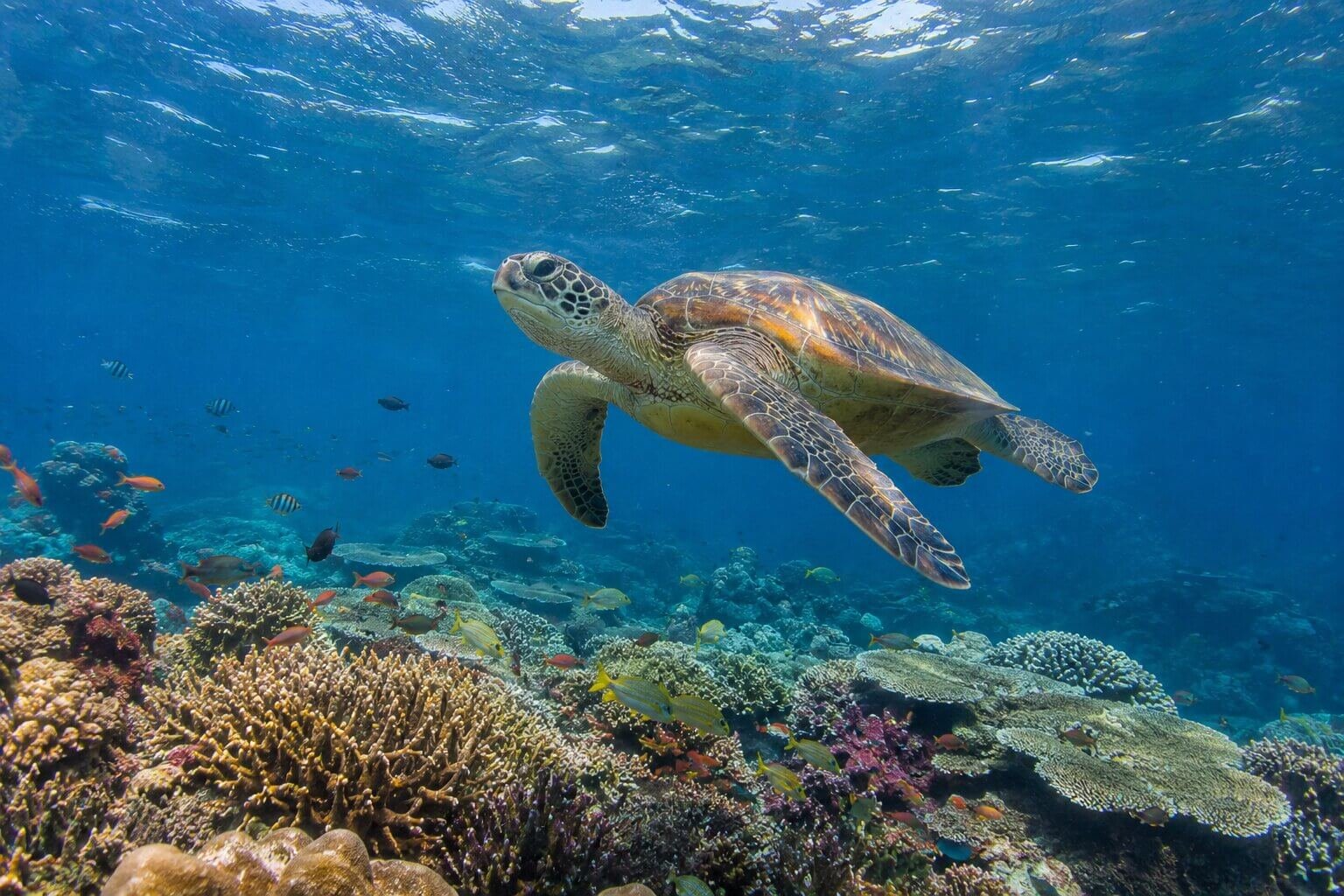
The park’s marine habitats support coral reefs, reef fish, turtles, and other fascinating creatures. Some areas are also associated with manta ray sightings.
Popular snorkeling routes may include stops around Taka Makassar, Siaba, or designated manta-viewing areas, depending on conditions and operator schedules.
However, Komodo’s waters can experience powerful currents, particularly around channels and exposed reef sites.
Travelers should choose snorkeling locations appropriate for their swimming abilities, follow instructions from their guides, and use suitable safety equipment.
Responsible operators adapt activities to tides, currents, weather, and guest experience rather than guaranteeing access to particular sites.
5. Experience Island Hopping Aboard a Traditional Phinisi
One of the most memorable ways to explore Komodo is by spending time aboard a boat.
Traditional Indonesian phinisi-style vessels are particularly popular for multi-day sailing experiences. Modern tourist boats inspired by this maritime tradition range from relatively simple shared accommodation to premium private charters.
The experience is about more than transportation.
Travelers can enjoy meals overlooking the sea, wake up near remote islands, and spend the day moving between hiking trails, beaches, and snorkeling locations.
Overnight trips also create opportunities to appreciate the quieter atmosphere of the park outside the busiest daytime visiting periods.
For travelers who want to disconnect from daily routines, this slower approach to exploration is a major part of Komodo’s appeal.
6. Watch the Sunset Over Komodo’s Island Landscapes
As daylight fades, the surrounding islands take on a different character.
Depending on the itinerary, boats may anchor in sheltered waters where passengers can watch the sun disappear behind the hills.
Some routes include a visit near Kalong Island, an area known for flying foxes that may emerge around dusk.
Wildlife activity depends on natural conditions, and the experience should be enjoyed without approaching roosting animals or disturbing their habitat.
Even without a wildlife encounter, watching the changing colors of the sky from the water is an excellent way to finish a day of island exploration.
Choosing the Right Komodo Island Experience
Not every visitor has the same amount of time or travel preferences.
Some travelers want to experience the major attractions in a single day, while others prefer several nights aboard a boat, allowing for a slower and more immersive journey.
The following comparison provides a useful starting point.
First-time visitors 3 Days, 2 A more balanced combination of hiking, wanting a broader Nights beaches, snorkeling, and overnight sailing experience 4 Days, 3 A longer itinerary with additional time for island Travelers who prefer a Nights exploration slower pace An itinerary arranged around the group’s Private Boat Families, couples, and preferences, subject to park access and Charter private groups operating conditions
| Trip Type | Typical Experience | Best For |
|---|---|---|
| One-Day Speedboat Tour | Selected major attractions with a return to Labuan Bajo on the same day | Travelers with limited time |
| 2 Days, 1 Night | Island hopping with one overnight stay aboard | Short sailing adventures |
| 3 Days, 2 Nights | A more balanced combination of hiking, beaches, snorkeling, and overnight sailing | First-time visitors wanting a broader experience |
| 4 Days, 3 Nights | A longer itinerary with additional time for island exploration | Travelers who prefer a slower pace |
| Private Boat Charter | An itinerary arranged around the group’s preferences, subject to park access and operating conditions | Families, couples, and private groups |
Actual routes, activities, accommodation, and departures depend on the vessel, operator, weather, and park regulations.
Choosing a suitable komodo tour package involves more than comparing prices. Travelers should consider the trip duration, accommodation, route, boat facilities, safety provisions, and exactly what is included in the quoted cost.
A shared departure may be ideal for independent travelers who enjoy meeting others, while private charters can offer greater flexibility for families or groups.
It is also worth checking whether national park admission, ranger arrangements, equipment, meals, and transfers are included or charged separately.
How to Get to Komodo from Bali
For international visitors already planning a holiday in Bali, reaching Komodo is relatively straightforward with the right arrangements.
The usual gateway is Labuan Bajo, a coastal town on the western side of Flores Island in East Nusa Tenggara.
Labuan Bajo has an airport, accommodation options, restaurants, and a harbor serving boat trips into the national park.
Flights between Bali and Labuan Bajo may be available depending on airline schedules and travel dates. Travelers should confirm current services before booking their onward activities.
Once in Labuan Bajo, visitors generally join an organized boat excursion or arrange a private charter to reach the park’s islands.
Although some travelers arrive via longer overland and sea routes through Indonesia, flying is often the more practical choice for a shorter holiday.
Spending at least one night in Labuan Bajo before a scheduled boat departure can also provide a useful buffer against travel disruptions.
Planning Your Komodo Adventure
A successful Komodo itinerary starts with realistic expectations.
The distances between islands, changing sea conditions, and protected status of the national park all influence what can be experienced in a given amount of time.
For travelers looking to explore the national park without spending hours arranging separate bookings, a komodo trip by Komodo Insider can be a useful starting point for researching routes, island highlights, and practical travel arrangements.
Before finalizing a trip, consider the following practical travel checklist:
- Allow enough time: Avoid squeezing too many destinations into one day, particularly when transferring between Bali and Flores.
- Check seasonal conditions: The dry season is generally popular for outdoor activities, but sea conditions and rainfall can vary throughout the year.
- Pack for the climate: Bring lightweight clothing, comfortable walking shoes, sun protection, and reusable drinking-water containers where practical.
- Prepare for boat travel: Consider seasickness medication if needed and pack personal essentials in a waterproof bag.
- Confirm additional fees: Ask whether park admission, activities, and other mandatory charges are included.
- Choose responsible operators: Look for appropriate safety equipment, clear itineraries, experienced crew, and responsible wildlife practices.
- Keep plans flexible: Weather, tides, and conservation rules can affect which locations are accessible.
One particularly important consideration is not to plan every hour around a rigid itinerary.
A boat trip through Komodo should leave room for the natural environment to dictate the experience. A change in snorkeling location or a delayed island landing may be necessary for safety or conservation reasons.
Travelers who approach the journey with some flexibility often find the experience more enjoyable.
Traveling Responsibly in Komodo National Park
Komodo’s extraordinary landscapes and wildlife are also fragile.
The national park protects important terrestrial and marine habitats, making responsible tourism essential to its long-term conservation.
Visitors can help reduce their impact through simple choices.
Staying on authorized trails protects vegetation and limits unnecessary disturbance to wildlife. Maintaining appropriate distances from Komodo dragons helps ensure that animals remain wild and visitor interactions stay safe.
In the water, travelers should avoid touching coral, chasing marine animals, or collecting natural materials as souvenirs.
Reducing single-use plastics and disposing of waste properly also helps protect the surrounding marine environment.
Choosing operators who explain and respect conservation requirements supports a more sustainable approach to tourism.
After all, the appeal of Komodo lies in its remarkable natural environment. Preserving that environment is essential if future generations are to experience it.
Is Komodo Worth Adding to Your Indonesia Itinerary?
Absolutely, particularly for travelers who want to experience a different side of Indonesia.
Bali offers an extraordinary combination of culture, accommodation, food, and outdoor activities. Komodo complements that experience with wild landscapes, unusual wildlife, and adventures that revolve around the sea.
Here, the highlights are not shopping districts or nightlife destinations. They are the sight of a Komodo dragon moving through the savanna, the panorama from Padar Island, the colorful marine life beneath the surface, and quiet evenings aboard a boat.
Whether you have time for a single-day excursion or a longer sailing journey, Komodo provides an opportunity to explore one of Indonesia’s most distinctive natural regions.
For those building an Indonesian itinerary beyond the familiar tourist trail, Komodo National Park is a destination that deserves serious consideration.
Sometimes, the most memorable part of a journey begins when you venture beyond the places everyone already knows.