
Contents
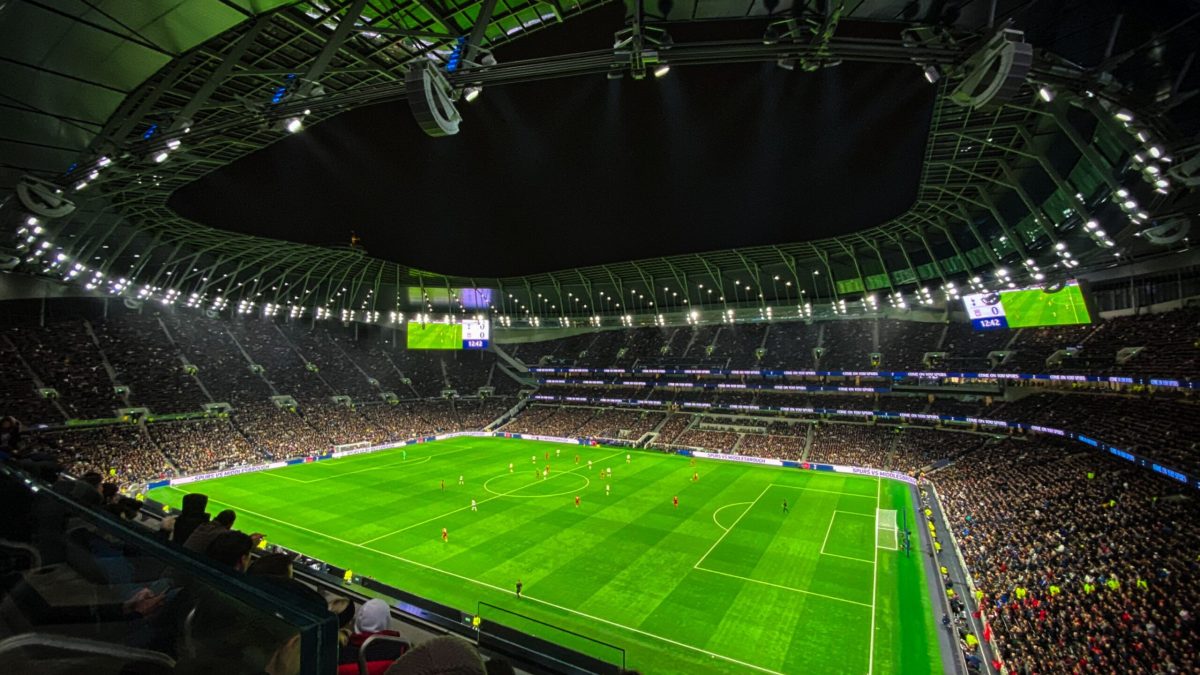
Seeing a match live is quite different from seeing it on the television. One gets to hear the sounds and also takes part in the journey to the stadium. Even the city plays an important role in this experience. More and more people today have a holiday with a sole aim of watching the game.
These days, the phone does most of the work. Tickets, boarding passes, maps and translation apps all live there. Many travellers clear old files before leaving, from photos to a 1xBet APK or other installers saved months earlier, to make room for offline maps. Here is how to put a football weekend together, step by step.
Set the Budget and Dates First
Decide on dates and a rough budget before anything else. A football weekend has four main costs. These are travel, a room, the ticket and food. Prices for all four tend to rise once a big match is confirmed. So book flights early. A Friday to Sunday stay usually costs less than a rushed, late plan.
Midweek European nights are worth a look too. Flights and rooms on a Tuesday or Wednesday can cost less than at the weekend. The catch is time off work.
Picking the City and the Fixture
Start with the fixture list. Then work out the city. League dates are often confirmed only a few weeks ahead, because TV channels pick their games. So book flexible travel, or wait until the date is fixed.
Some grounds are worth the trip on their own. Here are five popular choices in Europe:
| City | Stadium | Approx. capacity | Good to know |
|---|---|---|---|
| Madrid | Santiago Bernabéu | Over 80,000 | Stadium tours run on most non-match days |
| Munich | Allianz Arena | About 75,000 | The outside lights up in colour at night |
| Milan | San Siro | About 75,000 | Two big clubs share the ground |
| Lisbon | Estádio da Luz | About 65,000 | A short metro ride from the centre |
| Dortmund | Signal Iduna Park | About 81,000 | Famous for its huge standing terrace |
Each of these cities has an airport with frequent flights. Each also has public transport to the stadium. That keeps costs down. You will not need a car.
Getting Tickets the Right Way
Official sources should always be first. Tickets will generally be available on the clubs’ own sites and applications. Club members will generally have the first opportunity. After that, a general ticket sale will happen several weeks before the game. In most cases, the resale website provided by the club will be your second best choice.
Tickets that seem very cheap should raise red flags. Same with those that you receive via social media messages. If tickets are sold illegally, they can be canceled by the club. And sometimes there is no such seat at all. Does club membership make sense for just one visit? Sometimes, yes. At some big clubs, members get the priority to buy tickets for popular matches.
The type of the ticket must also be considered. Some tickets are only available digitally and require the application from the club. Other tickets will be either PDFs or mobile passes.
A Phone Checklist Before You Leave
A football trip mostly runs on your phone. A short checklist before departure saves trouble later:
- Download offline maps for the city and the area around the stadium.
- Save tickets and boarding passes in a wallet app. Keep screenshots as a backup.
- Install the local transport app and add a payment card.
- Check your roaming plan, or buy a local eSIM.
- Pack a power bank. A ticket on a dead phone cannot be scanned.
Sign-ups are easier at home than on hotel wi-fi, whether the task is to create a 1xBet account, register for a club app or set up a city transport card. Each one may ask for an email code or a text message. Deal with those before the airport, not at the gate.
Getting Around on Matchday
Make a booking of an apartment close to the metro/tram station. It would be unwise to book an accommodation that is too close to the stadium. Rates increase during the matchdays. A good accommodation base will keep you closer to places of interest and eating places.
Arrange to get to the stadium early. There is always going to be a lot of time wasted at security checks. The gates of many stadiums usually open way before the match starts. Leaving the stadium will also take time since the train/tram lines will also get crowded in the first hour after the match. Having a short stay at a nearby café might be more efficient than waiting at a crowded station.
Check the size limits for bags from the club website before embarking on your journey.
Making the Most of the City
The duration of the match is two hours while the weekend is much longer. Some of the large clubs have museums in their grounds. You will find them in the Bernabéu, Allianz Arena and San Siro. Taking a tour early the following day gives you time to tour the ground in peace.
Food is the other part of the tour. Try out some of the foods eaten by the locals before and after the matches, such as bocadillo in Madrid and bifana in Lisbon. A weekend for a match is like an away day extended for three days. You leave exhausted but full and you are probably looking at next season’s fixture list.