
Contents
One of the most exciting road trip experiences sitting on plenty of bucket lists is the iconic Great Ocean Road in Australia, fixed between the towns of Torquay and Allansford, making it easily accessible from Melbourne or from the Bellarine Peninsula.
This trek is the stuff of legends: State Route 100 runs just over 150 miles long, spans across the entire state of Victoria, and is peppered with enough landmarks and surprises to make a koala cry tears of joy!
If you’ve ever set your sights on Australia, then you may enjoy acquainting yourself with Little Miss Victoria and saying G’Day! via a raucous roadside romp down the Great Ocean Road. Here’s everything you need to know about this iconic Australian road trip route.
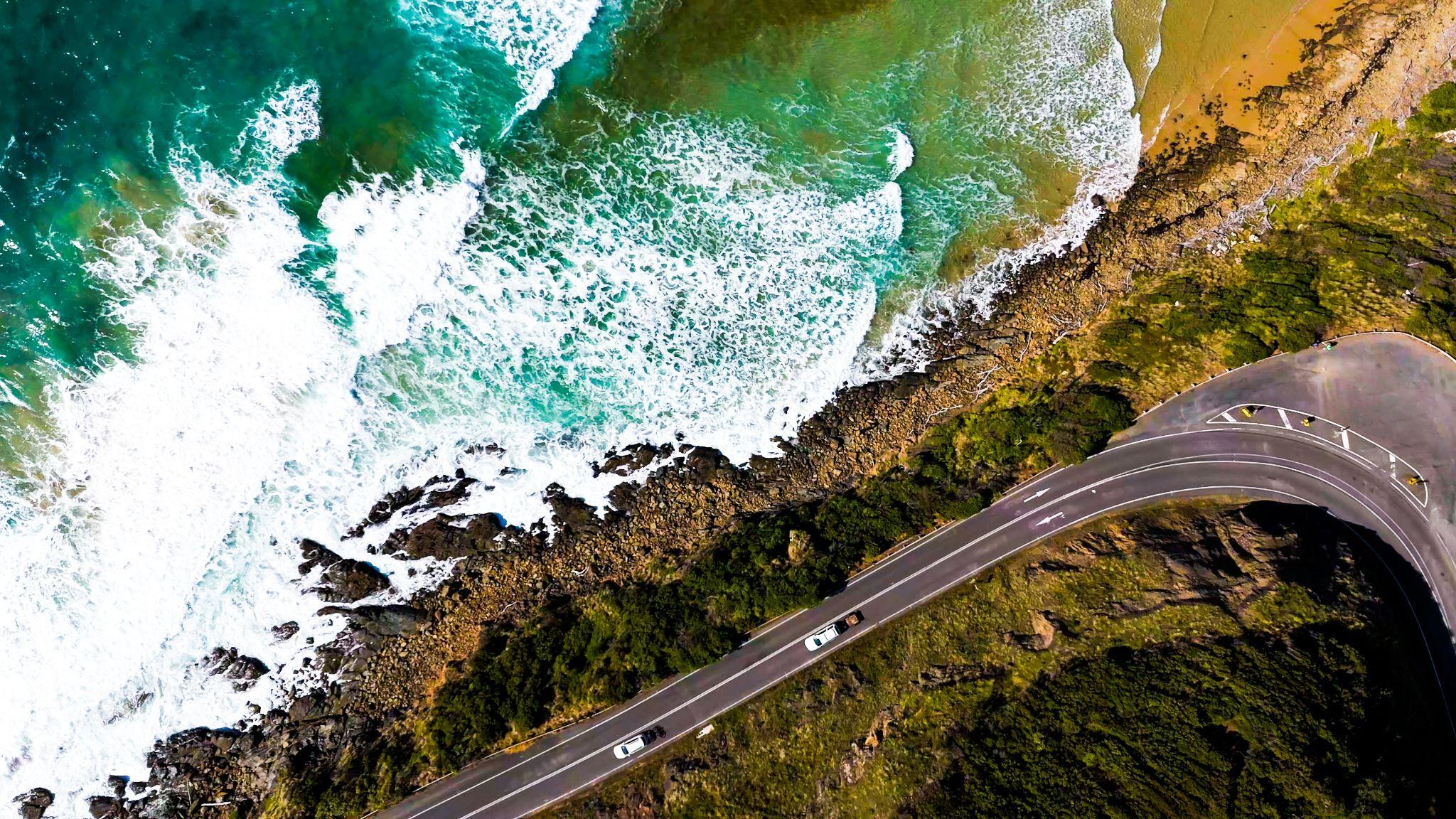
Before You Hit the Road…
Before driving Down Under, you’ll need to make sure you’re ready for a big trip requiring lots of flying and a bit of paperwork. If you’re visiting from overseas, you’ll need to apply for a tourist visa to legally enter Australia, organise travel insurance with great hospital cover (in case of spider bites, jellyfish stings…the list is endless), and rent a sturdy car or RV to get you from Point A to Point B. As eager as you may be to see the Bass Strait in all its glory, be sure to tick off these few preliminary steps to keep you from stalling before you even get started.
Keep these things in mind:
- Australia drives on the left and uses kilometres, so don’t get them twisted!
- Organise your itinerary based on your driving ability: 1 day versus 2-3 days.
- The seasons are flipped in the Southern Hemisphere: pack and plan appropriately!
- The roads are WINDY, so be sure to dress in plenty of layers.
- Plan ahead with your map: reception can be spotty in regional areas.
- Wildlife and cyclists are common, so drive safely and slowly where needed.
Now that you’re ready for your Ultimate Aussie Road Trip, here is our guide to some of the must-see locations along the Great Ocean Road!
Torquay: The Great Ocean Road’s Official Beginning
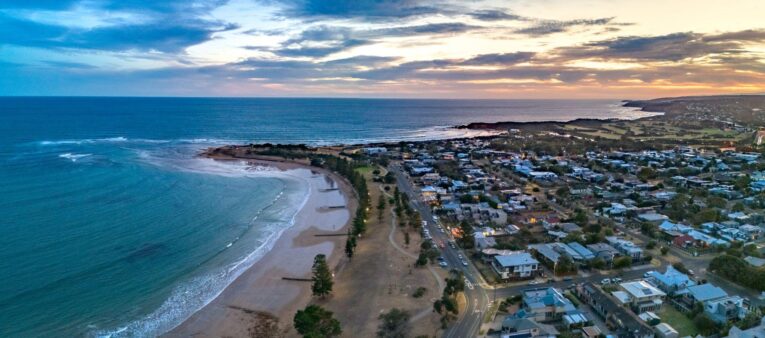
Torquay marks the official beginning of the Great Ocean Road and is even considered Australia’s surfing capital! Even if you don’t surf, it’s worth spending some time here to soak up the relaxed coastal vibes. The town is home to famous surf brands and beachside cafés with easy access to Bells Beach, one of the world’s most renowned surf breaks.
Take a short walk along the foreshore, grab a coffee, and enjoy your first glimpse of the Southern Ocean before continuing west.
Aireys Inlet: Split Point Lighthouse
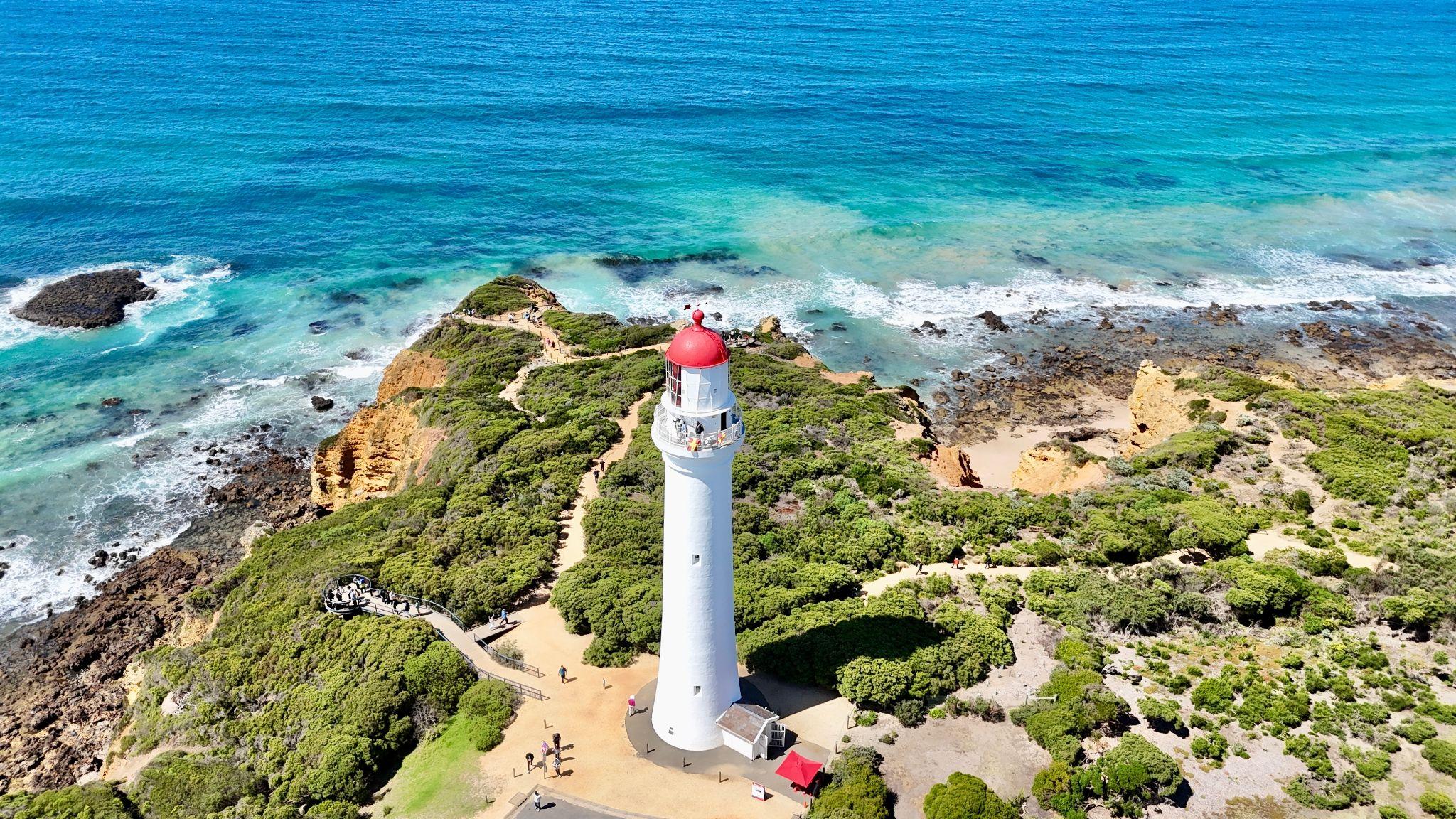
The white Split Point Lighthouse is one of the Great Ocean Road’s classic landmarks, and once you see it, you’ll know you’ve arrived at Aireys Inlet. Perched on a headland above the ocean, it offers sweeping coastal views and excellent photo opportunities. A short walk around the lighthouse precinct reveals rugged cliffs, rock platforms, and views toward Eagle Rock Marine Sanctuary.
If you’re travelling in the morning, the light here is often beautiful for photography, so take a nice break here and enjoy the view!
Lorne: A Classic Seaside Town
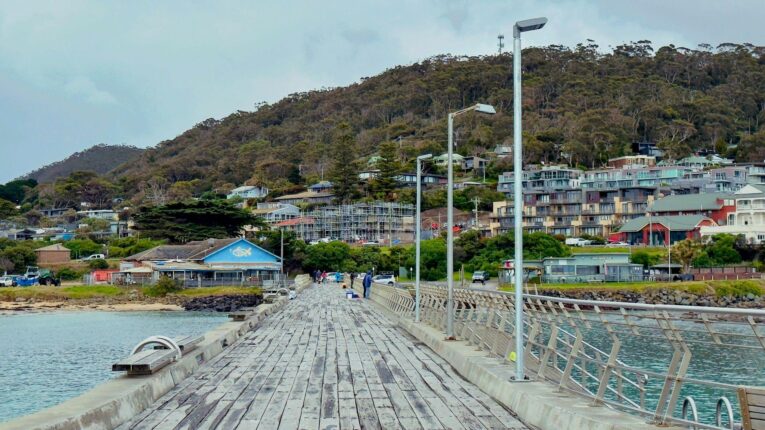
Lorne is one of the most popular towns on the route and makes for an ideal lunch stop. The beach stretches along the town’s foreshore, and the main street is lined with cute cafés, bakeries, and boutique shops. Before leaving town, drive up to Teddy’s Lookout for panoramic views of the coastline and the winding Great Ocean Road below.
If you have extra time, nearby Erskine Falls is a worthwhile detour into the forested hills behind Lorne.
Kennett River: Wild Koalas Galore!

Just a short drive beyond Lorne, Kennett River is famous for its wildlife. If you’re feeling queasy from being in the car for too long, this is an excellent time to take a break and take in some nature. Park near Grey River Road and look up into the eucalyptus trees to see wild koalas and colourful parrots, including crimson rosellas and king parrots!
This is one of the easiest places along the Great Ocean Road to see native Australian wildlife, so keep your camera handy!
Apollo Bay: Lunch or Overnight Stay
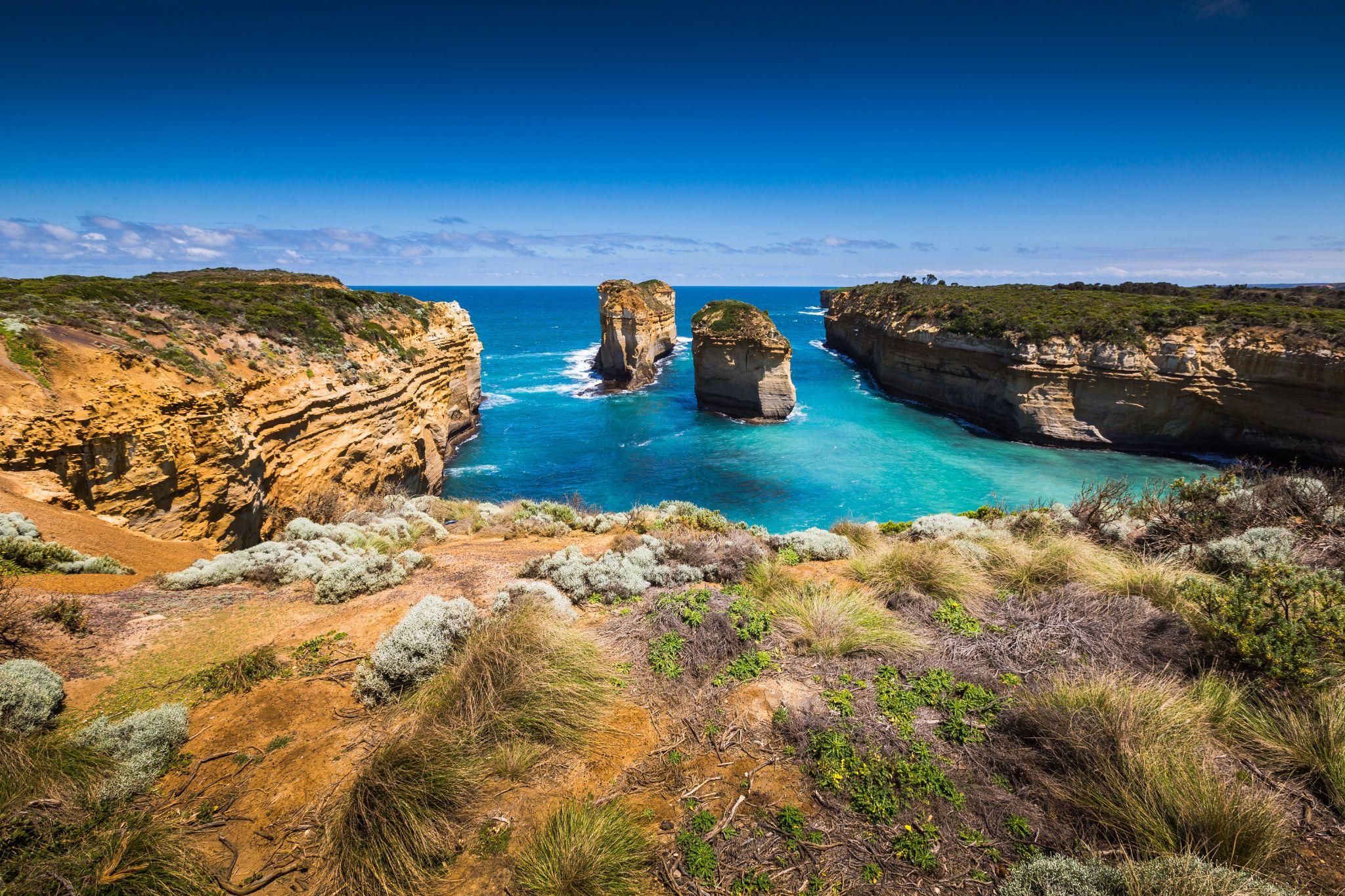
Apollo Bay sits in a beautiful crescent-shaped bay backed by green hills, and is often considered the gateway to the Otways National Park. It’s an excellent place to stop for lunch, refuel the car, or perhaps spend the night if you’re breaking the trip into multiple days.
Fresh seafood is a local specialty here, and the harbour area is pleasant for a short walk. If you’re staying overnight, a sunset on the beach is truly spectacular!
Great Otway National Park: Rainforest and Waterfalls
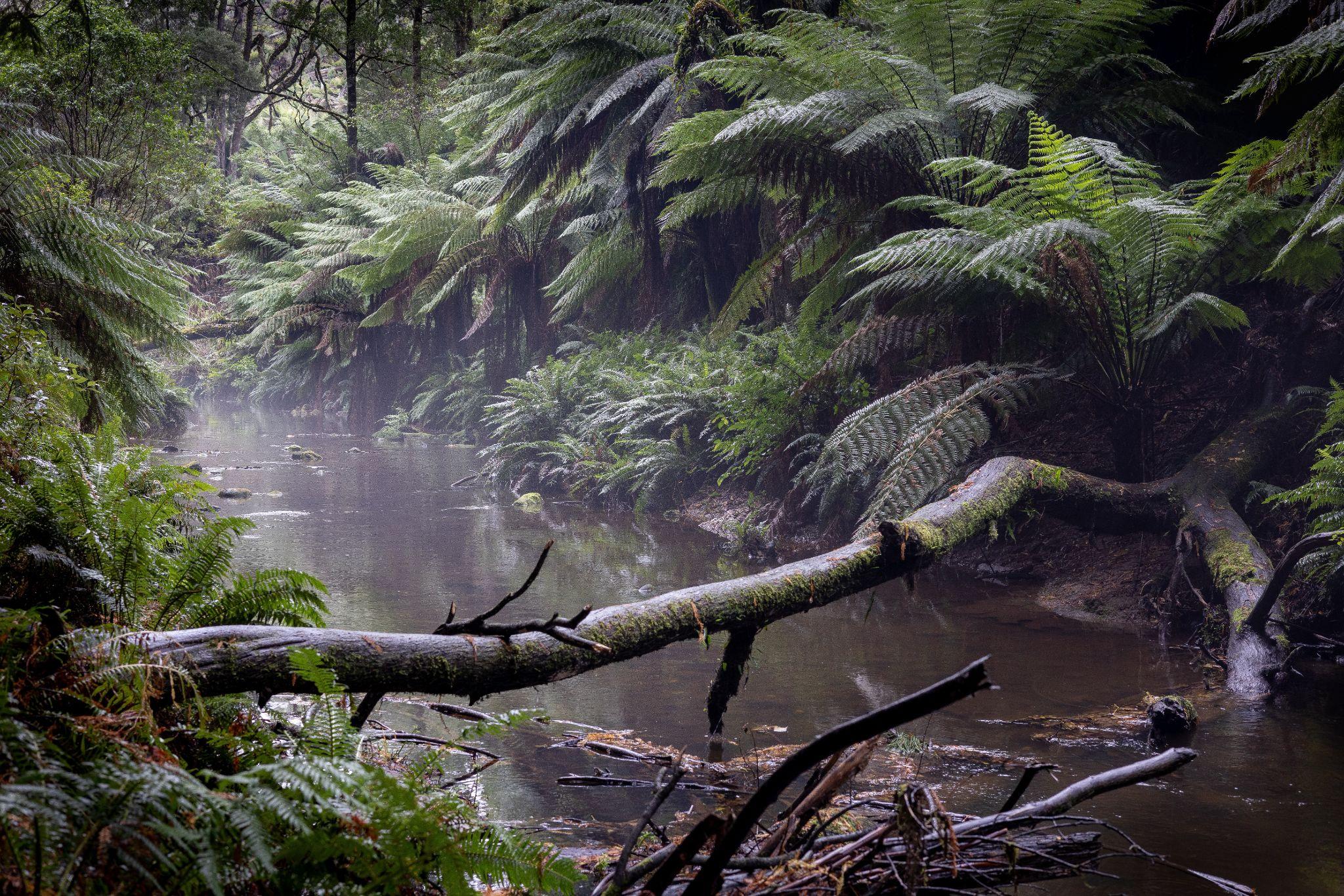
From Apollo Bay, the road briefly leaves the coast and enters the lush forests of Great Otway National Park. This section feels completely different from the open coastal scenery, with towering mountain ash trees, giant tree ferns, and cool rainforest air. Yep, that’s right, a rainforest right outside Melbourne!
If your itinerary allows, you can partake in a rainforest walk, a trip to the nearby falls, or both!
Maits Rest Rainforest Walk
This easy boardwalk loop is one of the best short rainforest walks in Victoria. It takes less than 30 minutes and offers a great introduction to the ancient Otway forest.
Triplet Falls or Hopetoun Falls
If you have time for a longer detour, either of these waterfalls is worth visiting. The walks are relatively short and lead through beautiful forest scenery to impressive cascades surrounded by stunning California Redwoods.
The Twelve Apostles: The Icons Themselves
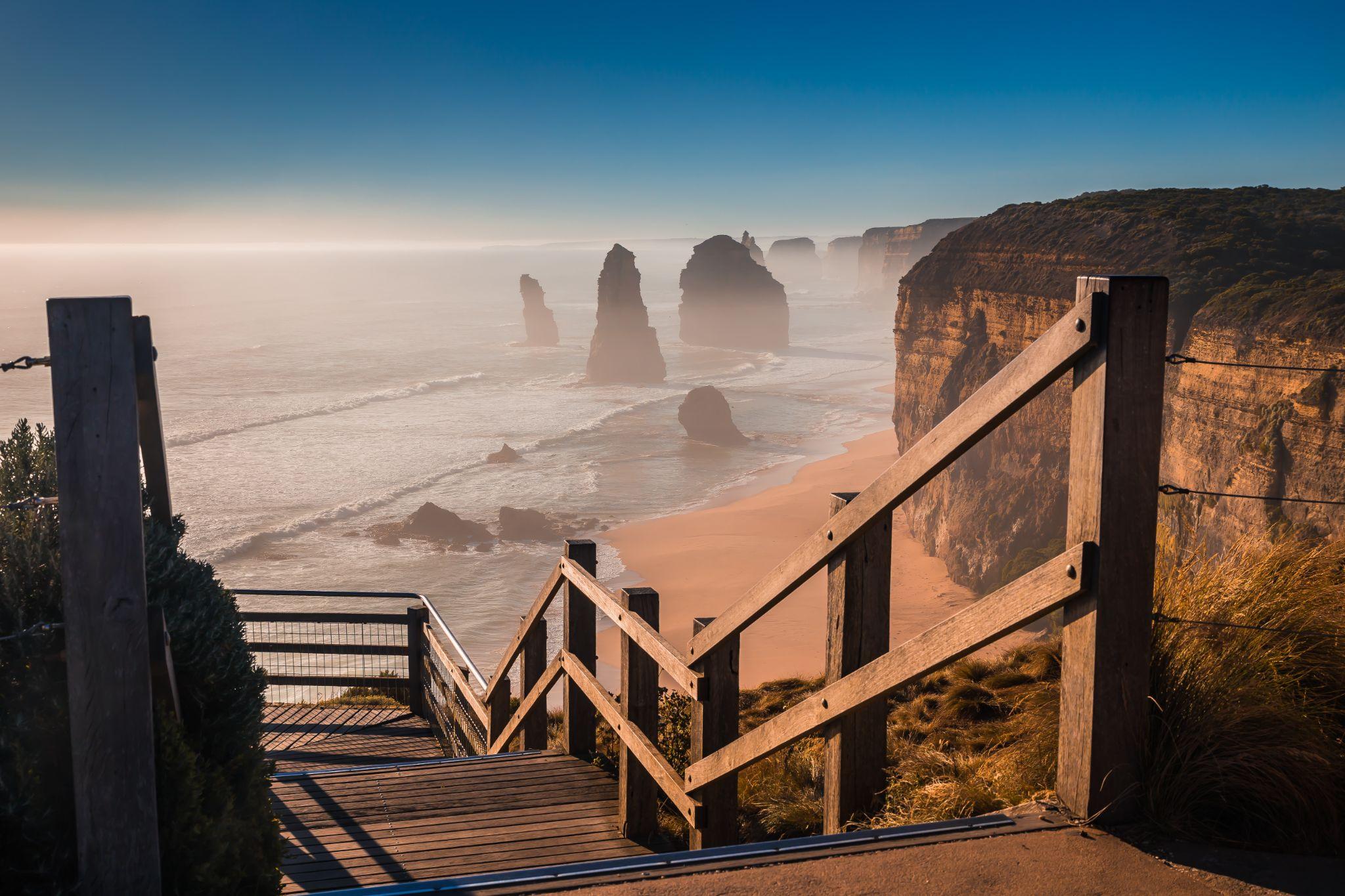
No Great Ocean Road trip is complete without visiting the Twelve Apostles, and for many folks, this is what they’re here for! These limestone stacks, sculpted by relentless erosion from the Southern Ocean, are among Australia’s most photographed natural attractions. The viewing platforms are easily accessible from the visitor area, and multiple vantage points offer different perspectives of the coastline.
Sunrise and sunset are the most dramatic times to visit, when the cliffs glow in shades of gold and orange… but even during the middle of the day, the views are simply unforgettable.
The Grotto: Optional Final Destination
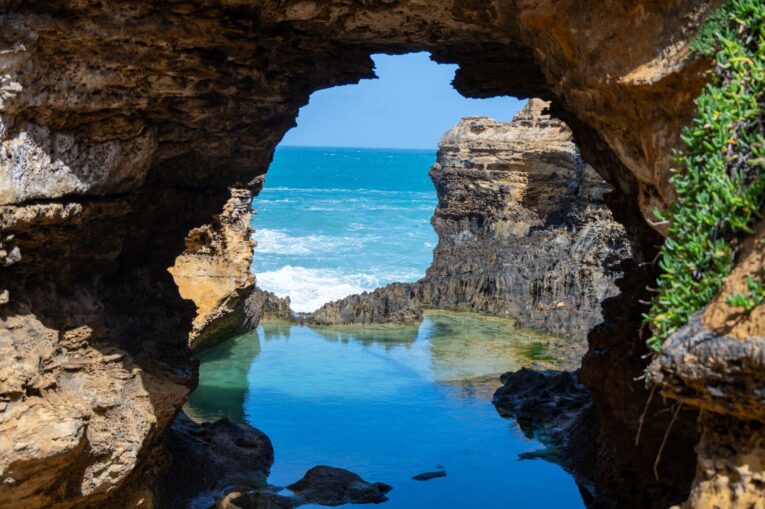
Located near Port Campbell along the Great Ocean Road is a stunning coastal formation known as The Grotto, where the ocean meets a natural sinkhole. This has created a window-like view of the crashing waves beyond. This tranquil yet dramatic spot showcases the raw beauty of the region’s limestone cliffs, with tidal pools forming at the base during low tide.
The interplay of light, water, and rock creates an enchanting scene, perfect for photos and a poignant end to your Great Ocean Road journey.
The Road Trip That Defines Coastal Victoria, Australia
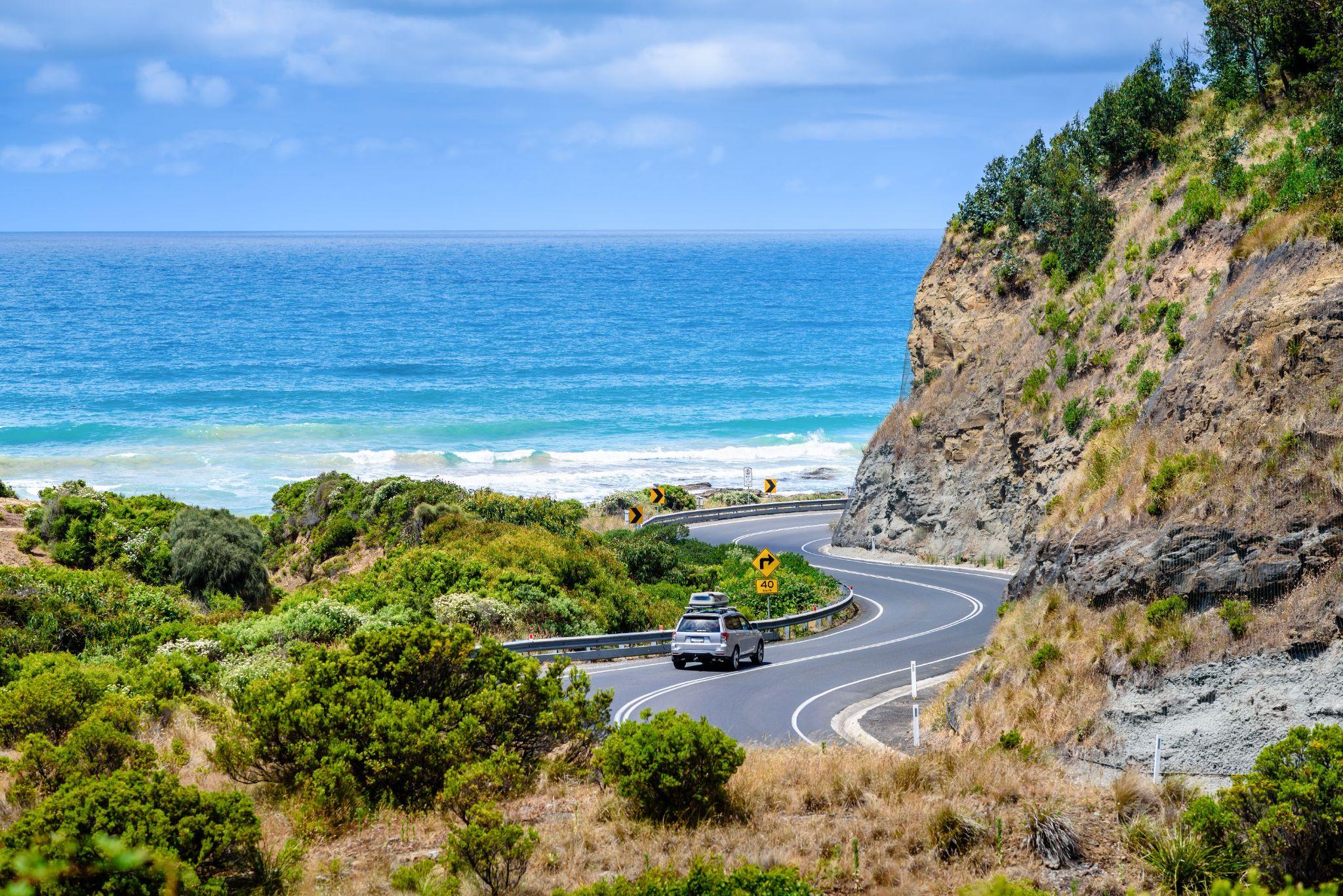
What makes the Great Ocean Road so memorable is the variety packed into its relatively short distance. In a single journey you can watch surfers at Bells Beach, walk through ancient rainforest, spot wild koalas, stand beneath towering limestone cliffs, and finish the day with a sunset over the Southern Ocean, all under six hours if you’re up for it! But of course, the Great Ocean Road is what you make of it.
Whether you tackle it in one ambitious day or stretch it into a leisurely multi-day adventure, experiencing the Great Ocean Road is an iconic and, dare say, necessary Australian travel experience that always lives up to its legendary reputation. And once you’ve conquered the Victorian Coast, then you may want to try your hand at driving the east coast’s Grand Pacific Drive, Queensland’s Great Barrier Reef Drive, or dare we say it, the Northern Territory’s Stuart Highway… “if you’re keen!”