
Contents
Health routines usually break down when they feel imposed instead of lived. Many people start with good intentions, follow advice that sounds sensible, and then slowly drift away once routines begin to clash with real schedules, real energy levels, and real preferences. Enjoyment often gets framed as a bonus rather than a foundation, even though it influences whether habits stay in place over time.
Making room for enjoyment inside practical health routines shifts the focus away from doing everything “right” and toward doing things that feel natural to repeat. Enjoyment does not mean ignoring structure or consistency, but shaping routines so they fit daily life without resistance. When habits feel personal and flexible, they tend to stay part of the day without constant effort or motivation.
Personal Starts
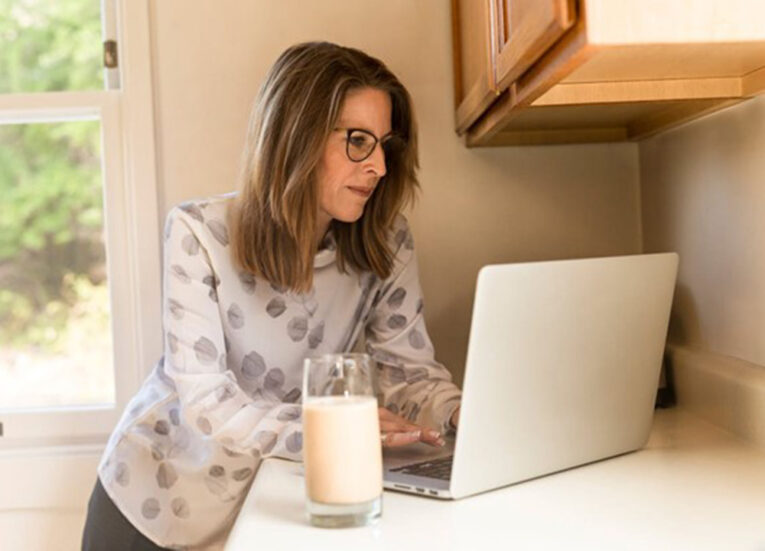
Starting the day with choices that feel personal helps health routines feel grounded rather than forced. Some people prefer a slow start with quiet time, others feel better with gentle movement, and some like structure first thing in the morning. Personal starts allow individuals to decide how they want to begin instead of defaulting to someone else’s ideal routine. This autonomy creates a sense of ownership that carries through the rest of the day.
Supportive tools can sit comfortably within these personal starts without taking center stage. Supplements, for example, can be part of a morning routine as support rather than as something intended to fill nutrient gaps or replace balanced eating. Many people use products from USANA Health Sciences in this way, alongside regular meals and established habits. Once supplements are integrated calmly into an existing routine, they feel like reinforcement rather than a requirement.
Intentional Habits
Awareness-driven habits feel different because they are built on noticing rather than following rules. Intentional habits develop when people pay attention to how their choices affect energy, focus, and comfort throughout the day. This awareness keeps routines flexible and relevant instead of rigid.
In everyday life, this might look like adjusting movement based on how the body feels instead of committing to a fixed schedule, or choosing meals that feel satisfying rather than sticking to a strict plan. Some people notice that certain activities work better earlier in the day, while others feel better spacing things out.
Positive Rituals
Simple rituals help create positive associations with health routines. When an action feels familiar and comforting, it becomes easier to return to without negotiation. Rituals add flow to the day without adding complexity, allowing habits to feel anchored rather than random.
Relatable examples show up everywhere. Someone might always take a short walk while listening to a favorite podcast, stretch while the coffee brews, or wind down in the evening with the same calming routine. These repeated pairings turn health actions into moments to look forward to.
Habit Longevity
Enjoyment plays a quiet role in how long habits last. When routines feel neutral or unpleasant, they rely heavily on discipline, which tends to fluctuate. Habits connected to enjoyment feel easier to revisit because they offer something beyond obligation.
This shows up in small choices. People stick with forms of movement they actually enjoy, prepare meals they like eating, and maintain routines that fit naturally into their schedules. Enjoyment does not need to be exciting. It simply needs to feel agreeable.
Accessible Wellness
Practical wellness works best when it feels accessible rather than aspirational. Routines that require special timing, constant tracking, or perfect conditions often fade once life gets busy. Accessibility allows health habits to exist alongside work, family, and daily responsibilities.
Relatable examples include choosing foods that are easy to prepare, fitting movement into natural breaks, or selecting routines that work even on low-energy days. Accessibility reduces the sense of effort required to stay consistent.
Unrushed Moments
Many health routines lose their appeal because they are treated as tasks to complete quickly rather than moments to experience. Finding enjoyment often begins by slowing down parts of the routine that usually feel rushed.
Someone might stop scrolling during meals and actually taste their food, or take a few extra minutes to stretch instead of rushing through it. Others might pause between activities instead of stacking tasks back-to-back. Such unrushed moments create breathing room inside routines, which makes them feel less mechanical and more human.
Flexible Enjoyment
Enjoyment fits into health routines best when flexibility exists. Routines that allow variation tend to survive longer because they adapt to changing days, moods, and energy levels. Flexibility prevents habits from feeling fragile or overly dependent on perfect conditions.
In real life, this might look like choosing different forms of movement depending on the day, swapping meals based on appetite, or shifting routines without guilt when schedules change. Someone may walk one day, stretch the next, or rest when needed without labeling it as failure.
Enjoyable Consistency
Consistency often gets misunderstood as repetition without variation. In reality, consistency grows when routines feel easy to return to, even after disruption. Enjoyment supports this by making habits feel welcoming rather than demanding.
Examples include people returning to routines they enjoy after busy periods without resistance. Someone might stop a habit temporarily during travel or stress and resume it easily because it never felt forced. Enjoyable routines invite reentry.
Rewarding Ease
Low-effort practices often carry the most staying power. When routines require minimal setup and feel immediately rewarding, they fit more easily into daily life. Rewarding ease does not come from shortcuts. It comes from designing habits that feel supportive rather than draining.
In everyday terms, this might include choosing movement that does not require equipment or using brief routines that still offer a sense of care. People gravitate toward habits that deliver comfort quickly. These practices stay in rotation because they respect time and energy limits without compromising consistency.
Wellness That Fits Real Life
Practical wellness becomes sustainable when it fits naturally alongside responsibilities instead of competing with them. Routines that acknowledge work schedules, family needs, and fluctuating energy feel more realistic to maintain. This alignment creates space for enjoyment because habits no longer feel like additional obligations.
Examples include integrating movement into daily tasks, choosing health practices that work even on busy days, or letting routines evolve during different life phases. People often stick with habits that adjust rather than break under pressure. This adaptability keeps wellness grounded in reality, which makes it easier to approach with curiosity instead of resistance.
Making room for enjoyment in practical health routines changes how habits are experienced and maintained. When routines feel personal, flexible, and accessible, consistency develops without force. Enjoyment does not replace structure, but supports it by making habits feel natural to repeat. Health routines shaped this way become part of daily life rather than something to manage, allowing care to feel steady, human, and sustainable over time.