
Contents
Turkey is a country of staggering diversity, where the climate and experience can shift dramatically from the snowy peaks of the east to the sun-drenched beaches of the south. Asking for the single “best” time to visit is like asking for the best ingredient in a rich dish—the answer depends entirely on the flavor of adventure you crave. Whether you dream of exploring ancient ruins under a clear sky, sailing the turquoise coast, or witnessing the surreal beauty of Cappadocia in the snow, Turkey offers a compelling reason to visit in every season. Understanding these seasonal rhythms is the first step to crafting your ideal itinerary, a process where the expertise behind well-planned Turkey Tours can be invaluable, helping you align your travel dreams with the perfect window of weather, crowds, and local festivals.
Spring (April to June): The Season of Rebirth and Ideal Exploration
Widely celebrated as the most idyllic time for a comprehensive Turkish adventure, spring is when the country shakes off winter and bursts into life. From April through June, temperatures are comfortably mild, typically ranging from the pleasant 60s to the low 80s Fahrenheit (15°C to 28°C). This gentle climate is perfect for the varied activities that define a Turkish holiday.
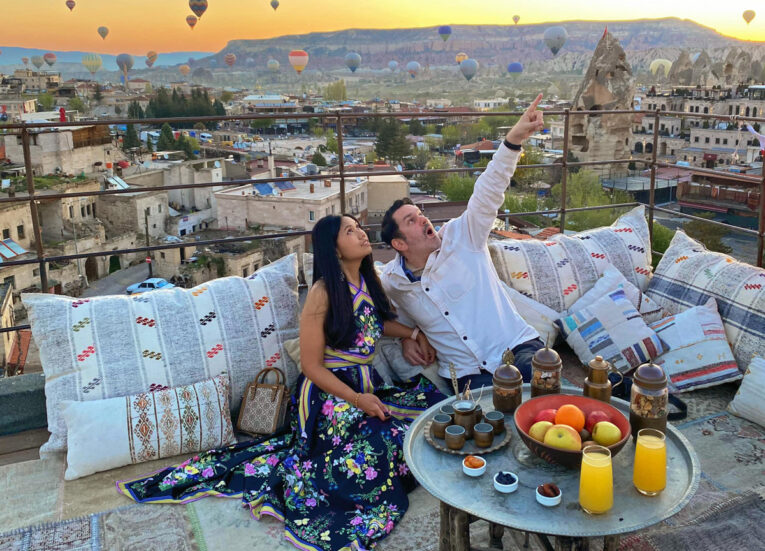
This is the prime season for exploring the cultural crown jewels without extreme heat or overwhelming crowds. You can comfortably spend hours wandering the historic Sultanahmet district in Istanbul, marveling at the Hagia Sophia and Topkapi Palace. In Cappadocia, the stable, clear weather creates perfect conditions for the iconic hot air balloon rides at sunrise, with a high likelihood of flights taking off. The Mediterranean and Aegean coasts begin to warm up, making late spring ideal for hiking the Lycian Way, touring the majestic ruins of Ephesus, or simply enjoying the first swims of the year in agreeable weather. The landscape itself becomes a attraction, with wildflowers blanketing the valleys of Cappadocia and the hillsides of the countryside. For travelers seeking a balanced blend of city sightseeing, outdoor exploration, and pleasant conditions, spring is arguably the perfect choice, and a period when many comprehensive cultural itineraries are in full swing.
Summer (July to September): The Zenith of Sun, Sea, and Celebration
Summer in Turkey is synonymous with vibrant energy, long sun-drenched days, and a festive, lively atmosphere, particularly along its famed coastline. From July to September, the coastal resorts of Antalya, Bodrum, Fethiye, and the Turkish Riviera come alive. The sea becomes bathwater-warm, ideal for swimming, sailing on a traditional gulet, or indulging in a “blue cruise” along the stunning shoreline. This is the peak season for beach lovers and sun-seekers, with temperatures often soaring into the 90s Fahrenheit (32°C+).
Beyond the coast, summer hosts spirited events like the Istanbul Music Festival and the Ephesus Festival, where ancient venues provide breathtaking backdrops for performances. However, the intensity of the heat is a significant factor, especially in inland areas like Cappadocia and the archaeological sites of central Anatolia. Visiting open-air museums and ruins often requires an early start, ample hydration, and a strategy to avoid the midday sun. Major cities like Istanbul can also become quite crowded with international tourists. For those whose dream vacation is centered on a beach holiday, island-hopping, or lively coastal culture, summer delivers in full force, offering a classic Mediterranean escape.
Autumn (October to November): The Golden, Serene Interlude
Often considered a close rival to spring, autumn is a secret treasure for discerning travelers. From October into November, the fierce summer heat mellows into a gentle, golden warmth. The summer crowds dissipate, leaving a more serene and authentic atmosphere at major sites. The landscapes take on a special, warm glow, with pleasant temperatures that are ideal for active exploration. It’s a superb time for hiking through Cappadocia’s valleys of fairy chimneys, touring the picturesque tea gardens of the Black Sea region, or exploring the surreal white terraces of Pamukkale without the hustle.
The sea retains its warmth well into October, offering a more peaceful beach and swimming experience along the southern coasts. This season also brings the grape harvest, making it a delightful time for wine enthusiasts to visit vineyards in regions like Thrace and Cappadocia. Cultural exploration in cities is exceptionally pleasant, with shorter lines at major attractions and a more relaxed pace in cafes and bazaars. Autumn presents a magnificent opportunity for travelers who wish to combine late-season coastal relaxation with in-depth cultural touring in a single, seamless trip, a balance that is highly prized by those looking for a deeper travel experience.
Winter (December to March): A Season of Unique Charm and Value
Winter unveils a quieter, more dramatic, and often magical side of Turkey. While the coastal resorts slow down, the interior and cities offer compelling reasons to visit. Istanbul, in particular, is enchanting in winter. Seeing the silhouette of the Blue Mosque against a steel-gray sky, wandering the fog-covered Galata Bridge, and taking refuge in a historic hamam or a cozy backstreet café provide an intensely atmospheric and romantic experience. The city’s numerous world-class museums, opulent palaces, and covered markets become inviting havens filled with local life.
In Cappadocia, the landscape undergoes a stunning transformation when dusted with snow, creating an ethereal, fairy-tale scene that is incredibly photogenic. This is also the season for skiing, with reputable resorts like Uludağ near Bursa and Palandöken in Erzurum offering quality snowy slopes. The winter months coincide with the low tourist season, meaning significantly fewer visitors and lower prices for flights and accommodations, offering exceptional value for budget-conscious travelers. While not suited for a classic beach holiday, winter is perfect for city breaks, deep cultural immersion, skiing adventures, and experiencing local life at its most authentic.
Aligning Your Travel Dreams with the Turkish Calendar
Ultimately, the “best” time is a personal equation defined by your priorities. Are you chasing the perfect beach day, ideal hiking weather, photographic beauty, cultural festivals, or budget-friendly travel? By aligning your desires with Turkey’s seasonal offerings, you can pinpoint your perfect window. Once you’ve identified your ideal season, thoughtful planning ensures you experience the very best of what the country has to offer during that time. For many, this is where the structure of a well-designed tour proves its worth, seamlessly connecting experiences—whether it’s a springtime journey from Istanbul to Cappadocia, a summer gulet cruise, or a winter cultural deep-dive. By choosing a travel style that fits your goals, you can ensure your Turkish adventure is perfectly timed for the memories you wish to create, making the planning phase as rewarding as the journey itself.