
Contents
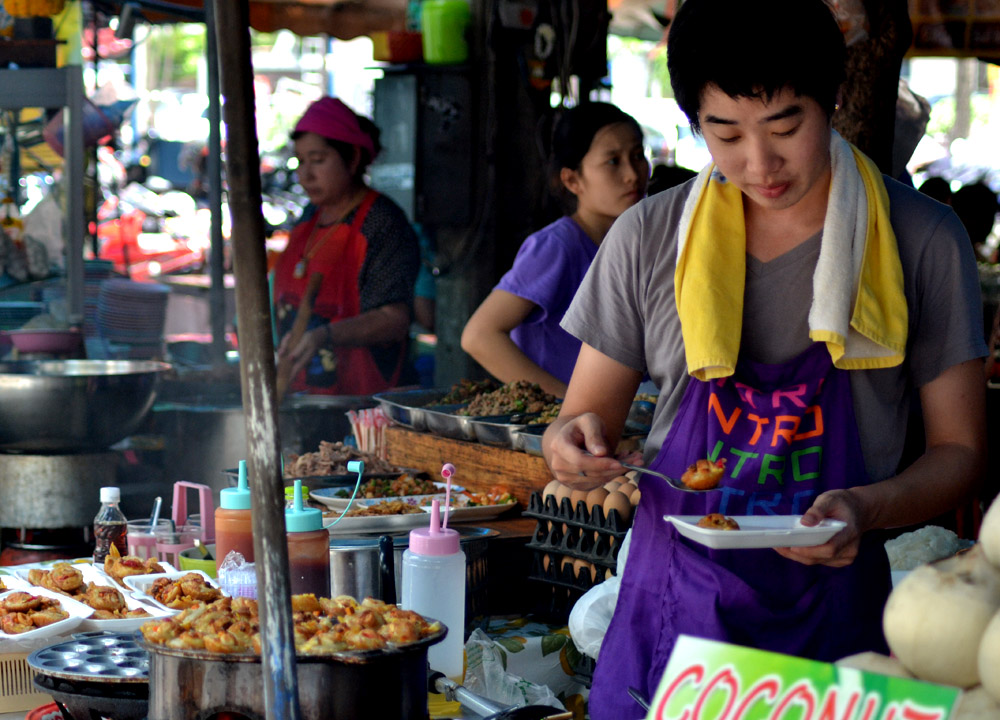
Bangkok is already a beautiful tourist hotspot, known for its relentless humidity and lively street vendors and food stalls. For many, when they hear the word “crypto” or “blockchain”, a stark contrast image comes to mind, including large exchanges or the feared “crypto bros” in suits. However, crypto integration is not as complicated as it seems, and could provide some great financial plumbing to residents and businesses.
The Local Engine: From Global Idea to Hyper-Local Funding
Starting simple, local businesses (and residents) could greatly benefit from the use of a crypto launchpad. Naturally, if you are unfamiliar with crypto, you may be wondering what a launchpad is. It is basically a platform where new crypto projects (think a digital token) can be proposed, introduced, and eventually funded. For example, the crypto launchpad by best wallet lets users check out the best crypto presales, buy pre-launch, promising tokens at a discount, and manage crypto portfolios. How does this translate to local businesses?
Well, imagine a local vendor or small store is looking to get their business off the ground, but is unable to do so without the necessary funding. Instead of begging the bank for a large loan, they could use this crypto launchpad to start a limited Community Token. In doing so, locals, tourists, or even large investors can help fund the business in small payments, acting as direct capital for local owners to fuel their own growth. In turn, these investors become true stakeholders in the business and simultaneously ensure the neighbourhood’s success.
Bridging the Tourist Gap: More Baht for the Locals
It is no secret that there is a steady stream of tourists coming in and out of Bangkok at any given point. Even more, some visitors may be seeking out an expat lifestyle, looking to completely relocate to the Thai city. Regardless, there is nothing more annoying for tourists than having to walk around with large amounts of Baht cash. In turn, it is very frustrating (and expensive) for local vendors, stores, and other businesses to have to deal with foreign currencies. Once again, this is where crypto comes to the rescue, as it eliminates the friction on both sides of the coin, as tourists and local businesses can now trade in one currency.
With the current approach of the Thai government to how tourists make payments, integrating crypto would be a breeze. A great example of this is the TouristDigiPay initiative, which is already a step in the right direction, as it allows users to convert crypto into local fiat currencies. While this somewhat addresses this friction, it does not account for local banking fees and wait times that come from using traditional banking systems. Having both parties use cryptocurrencies instead would boost the efficiency of local businesses, how they handle their finances, and save them a lot of money.
Fractionalisation and the Local Staking
Integrating crypto could also help locals reach higher in terms of owning property or other large assets. Most Thai people cannot afford Bangkok condos (or other properties catering toward tourists) unless they are extremely wealthy. Picture those sky-high buildings with beautiful views overlooking some of Bangkok’s most beautiful attractions. Despite seeming unattainable, crypto makes it possible for users to fractionalise their assets, which can completely flip the script.
Let’s say a highly sought-after luxury apartment is on sale. By introducing crypto and blockchain technology into the economy, users might be able to purchase a digital share of this property in the form of an NFT (Non-Fungible Token). This action means a Thai resident now has a stake in the city’s growth and an opinion in what becomes of this specific apartment. You can think of this as giving locals more power as opposed to just leaving the state of things in the hands of big developers.