
Contents
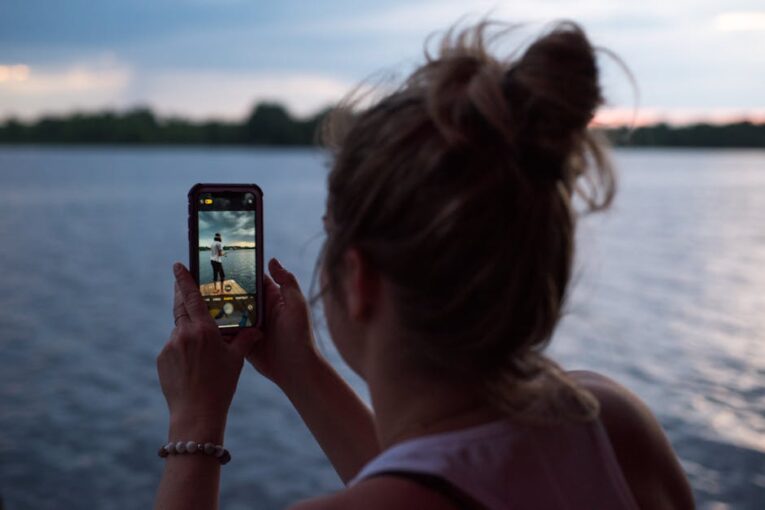
Living, working, or traveling abroad is easier than ever before if you have the right mobile apps on your phone.
From finding your way around strange streets to handling the currency within a foreign country to keeping yourself safe and being in touch with people while abroad, apps serve as your everyday toolkit in a new country.
Whether you’re moving long term, studying abroad, or taking a short adventure, the right digital setup helps you to quickly and confidently adapt.
This guide unpacks some essential mobile apps for life abroad, organized by real needs: communication, coordination, finances, safety, productivity, and lifestyle.
It also highlights how niche interests like fishing can be supported through smart tools such as the Fishbox App, which many travelers use to explore local waters and plan leisure time abroad. By the time you’re finished, you’ll know exactly which apps to get before you leave and why.
1. Communication & Language Apps
Clear communication is the basis of settling into a new place.
Translation apps such as Google Translate offer real-time text, voice, and camera translation, which can make everyday tasks such as ordering food, reading signs, or talking to locals far less stressful.
Offline language packs are particularly helpful when internet access is limited.
Messaging and calling apps like WhatsApp, Telegram, Signal, etc. are indispensable for purposes of international communication.
They work over Wi-Fi, help avoid Roaming charges, and often are one of the many ways locals communicate.
These apps also integrate with the contact list perfectly, so it is easy to coordinate plans.
2. Navigation & Transportation Apps
Getting about confidently saves time, money, and energy.
Maps and navigation apps offer turn-by-turn directions, maps that can be downloaded, and offline maps and transit schedules.
Google Maps remains a staple but combining it with tools like City mapper can provide more accuracy in public transport in major cities.
For travelers who go beyond the cities – and those traveling to lakes, rivers, or coastal waters – map-based tools with satellite imagery and detailed maps are an invaluable tool.
Many travelers also use Google Earth for detailed satellite images for planning outdoor activities.
Ride-hailing apps & transport apps (Uber, Bolt, Grab, regional taxi apps) make it easy to transfer between airports as well as late-night travel. Always determine which platforms are the leaders locally.
3. Finance & Money Management Apps
If you are managing money abroad, it can be quite tricky without the right tools.
Currency conversion apps: these help you to understand the prices instantly. Combine them with expense tracking apps to keep budgets under control when currencies change.
International banking and digital wallets such as Wise or Revolut make it possible to exchange money at low costs, easily transfer and spend money in more than one country.
Budgeting features help stay on top of day-to-day expenses to avoid surprises.
4. Accommodation & Living Essentials
Finding and managing housing overseas is often supported by apps.
Short-term and long-term housing platforms help you to secure places in no time, while utility and service apps take care of electricity, internet, or local deliveries.
In many countries, access to public services, registrations, and local announcements is made available through government or city apps.
These tools help ease the tension in the first few weeks abroad, when everything is unfamiliar.
5. Travel Planning & Experience Apps
Your new surroundings are beyond logistics; apps help you enjoy it.
Flight and booking apps allow for the ease of planning impromptu trips or planning shift itineraries.
Local discovery tools highlight food, culture, and events happening nearby – oftentimes telling tourists about places they may be missing.
For those who are traveling for the pleasure of it, specialized apps can be remarkably useful. For instance, anglers when traveling abroad often search for apps for fishing gear to know about the waters.
Some apps reference local fishing regulations, but visitors should be mindful and verify rules with official websites and authorities.
This is where tools such as Fishbox come out among the best fishing apps for many users.
It is a combination of the functionality of fishing GPS apps with fishing guide apps – it offers fishing spots, fishing forecasts, weather forecasts, moon phases, barometric pressure, and wind speed information.
Travelers can get information on fishing spots, explore local lakes or coastal waters, view tide charts, and get ideas for their next responsible fishing trip.
With options such as a free version and a pro version (often via a yearly subscription), it allows the user to tailor features to their needs.
6. Safety, Health & Emergency Apps
Safety should not be an afterthought while abroad.
Health and medical apps, which help to locate nearby clinics, pharmacies, and hospitals. Some include insurance-specific or medically linked out-of-network or telemedicine.
Emergency alert apps and local government platforms deliver real-time notifications about weather events, transport disruptions, or safety concerns. Saving local emergency numbers and embassy contacts in one place is also wise.
When accessing travel bookings or online banking abroad, a VPN Chrome extension can help add an extra layer of privacy and security while browsing.
7. Productivity & Remote Work Apps
Many foreign workers work remotely or must manage several time zones.
Productivity tools for scheduling and tasks, as well as collaboration, are used to maintain routines. Cloud storage apps can be used to make important documents accessible anywhere.
Time-zone converters and calendar conjunctions ensure nothing gets missed at work and keep the balance in work-life when one is traveling.
8. Lifestyle & Community Integration Apps
It is more than just a matter of logistics when it comes to feeling at home abroad.
Community apps and expat apps which connect newbies with locals and other foreigners for advice, meetups, and shared experiences. Apps focused on fitness, hobbies, and socializing are good for maintaining routines and finding new ones.
For outdoor enthusiasts, platforms dedicated to fishing are even social platforms.
Users can record catches, collaborate with other anglers, and learn etiquette from their fishing peers – including fishing smarter and respecting the environment.
In some regions features such as depth charts, underwater structures, artificial reefs, and public access points may be included.
9. How to Choose the Right App Stack
Not all apps are going to be necessary for all people. Before departure:
- Identify your priorities (work, traveling, hobbies, safety)
- Download core apps that will work offline freely if possible.
- Test some features, such as map, payments, and translation.
- Keep the consumption of data in mind as well as activate offline modes.
For anglers, a combination of general navigation and a specific app dedicated to fishing can go a long way to improve leisure time abroad, to the advantage of planning a fishing trip, finding boat ramps, and grasping the times for fishing.
Whether you are a fly angler, bass angler, or saltwater angler, specialized apps are a value-added tool that is not a replacement for the basic travel tools.
Conclusion
Living or travelling abroad doesn’t have to seem like such a hustle.
With the right mobile apps, everyday challenges in communication, navigation, finance, safety, and even hobbies are manageable and, in many cases, enjoyable.
From translation tools and banking tools to discovery tools or niche apps like Fishbox, a well-thought-out stack of apps can help you operate in a foreign environment confidently.
The next time you are moving or traveling, take the time to put together your digital toolkit.
A personalized mix of vital apps will assist you: faster adaptation, more in-depth exploration, and making the most of all experiences abroad, whether it is navigating the city streets, performing remote work, or capturing great fishing lines on your next fishing adventure.