Contents
Our travels in Japan rarely follow the traditional tourist trails. For example on our first visit, and our first day on the JR pass we travelled roughly 1200km, from Tokyo north to Morioka, back down and east via Sendai to Matsushima, then retraced back again down to Tokyo. A journey that partly inspired our Extreme Sightseeing series where we travel ridiculous distances to photograph stuff only to travel ridiculous distances back again. On this instance chasing the late cherry blossoms in April in Japan.
Seasonal adventures have ultimately brought us all over the country chasing cherry blossoms, cultural festivals and celebrations, and snow. From the far south Kyushu island to the north in Hokkaido, with a silly amount of exploring between. But for me the best parts of Japan are more in daily sights and sounds, the big cities, speeding along in the Shinkansen, and the simplicity of life in quaint rural villages. The ramen bowls, okonomiyaki, yakiniku. Instant ramen even, sake cups and convenience store chu-his. Or just wandering through torii gates, around Buddhist temples, and Shinto shrines.
So it is hard to share my top 10 experiences in Japan, which is why it has now become a top 20. Even then I could easily add another 20. But these are the places, foods, journeys and little moments that have stood out most across four trips and almost two months of travelling around the country.
1. Shibuya Crossing
Shibuya is normally our first port of call in Tokyo and, for me, it is the perfect introduction to the crazy backdrops of the city. The obvious centrepiece is Shibuya Crossing, the iconic junction where crowds pour across from every direction beneath giant screens and towering buildings. But there is always something happening around it. Hachiko, the famous loyal dog, has his statue next to Shibuya Station and it remains one of Tokyo’s best-known meeting points, particularly with local youth. Then you’ll have street performers, fashion, nightlife and even Mario-style street karts whizzing past. It is Tokyo turned up to eleven.


2. Shinjuku at Night
While Shibuya is normally the first port of call in Tokyo, it was Shinjuku at night that really blew me away. I remember, near the end of our first 14-day Shinkansen journey, disembarking the metro at Shinjuku and suddenly finding ourselves surrounded by neon alleys, skyscrapers, restaurants and what felt like complete organised chaos. It was actually a rushed visit as we were chasing through the streets to reach the wonderfully ridiculous Robot Restaurant, which could near make a Top 20 attraction itself. But Shinjuku has since become my first-night routine in Tokyo, just wandering around and immersing myself in the craziness of Japan.


3. Kappabashi Knife Shopping
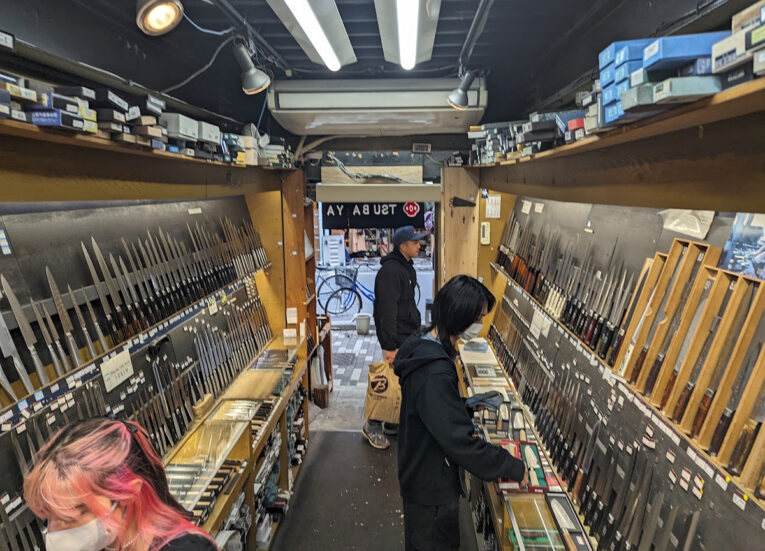
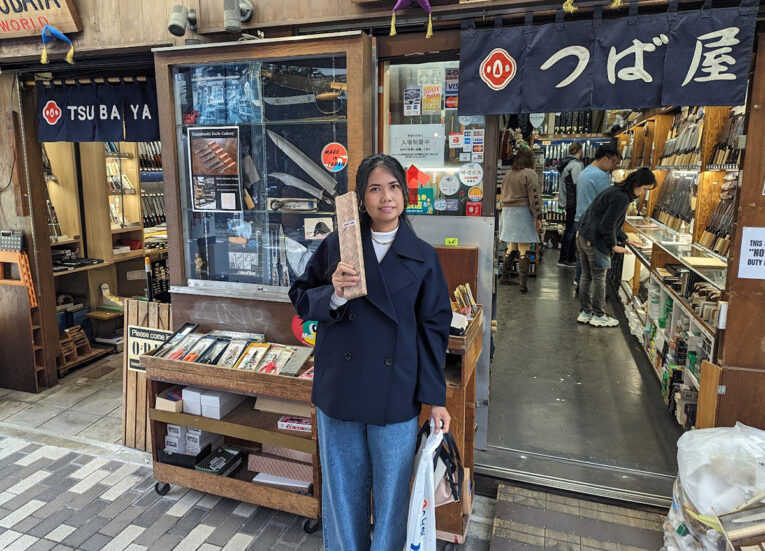
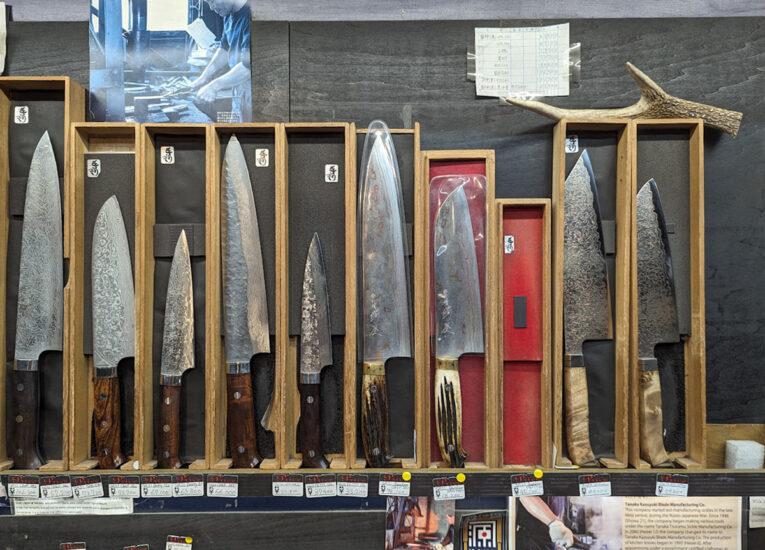
For anyone interested in food or cooking, Kappabashi Kitchen Town is one of the best places to pick up a proper Japanese souvenir. We went specifically for kitchen knives and ended up in Tsubaya, which felt a bit like Ollivanders, but for knives. I gave Fanfan a ¥30,000 budget and somehow she behaved herself, choosing a ¥20,000 VG10 gyuto with a Japanese wa handle. The staff let us handle different knives, pulled out options based on the steels and price point I wanted, then sharpened and engraved it for free at the back. We had “Fanfan’s Kitchen” engraved on the blade. Much better than another fridge magnet.
4. Dotonbori Canal & Ebisu Bridge
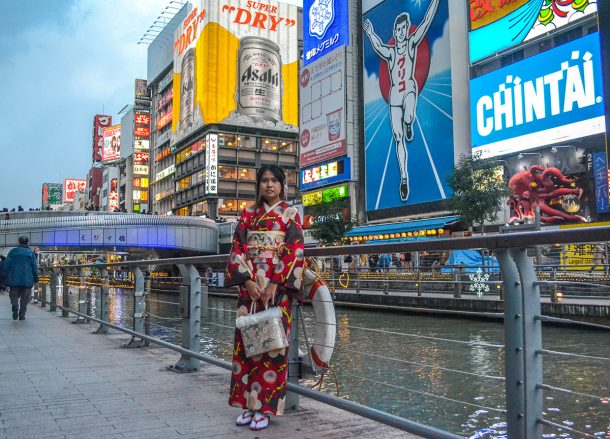
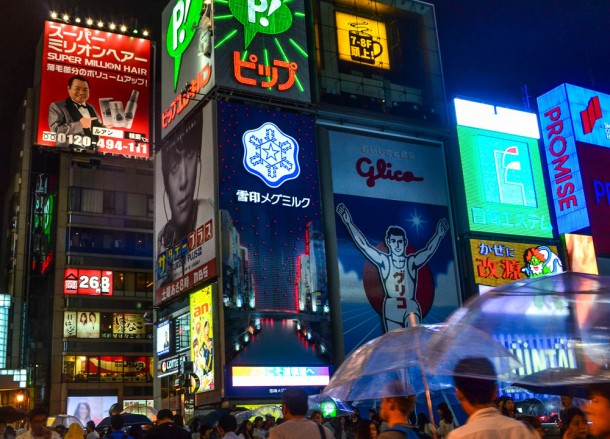
Dotonbori is the part of Osaka we always seem to return to, even if the food and atmosphere do feel more touristy than they once did. The obvious focal point is Ebisu Bridge, beneath the iconic Glico Man billboard, surrounded by buzzing arcades, flashing barges and towering neon billboards. But for us, Dotonbori has always been mostly about eating. Osaka is famous for kuidaore — eating until you drop — and this is where we normally do it: okonomiyaki overlooking the canal, Ichiran Ramen and, most importantly, takoyaki, the octopus-filled street food that originated in Osaka. Overly touristy these days? Probably. Still one of my first ports of call? Definitely.

5. Shinsekai & Tsutenkaku Tower
If Dotonbori is the Shibuya of Osaka, Shinsekai is closer to its Shinjuku. I once described it as “one of the most visually fascinating street scenes I have ever come across”, and that still fits. The whole area sits beneath the backdrop of Tsutenkaku Tower, with cheap restaurants, bars, cinemas, pachinko parlours and wonderfully retro streets that feel slightly lost in the past. It is much more touristy these days, but still awesome nonetheless. There is also Tower Knives Osaka nearby, which makes a nice continuation from the Kappabashi knife-shopping experience earlier. Even without buying anything, Shinsekai is one of the best areas simply to wander around and photograph.


6. Osaka Marriott Miyako
The Osaka Marriott Miyako Hotel is really my example of how spectacular high-rise hotels can be in Japan. Tokyo has the Park Hyatt, made famous by Lost in Translation, while Osaka had the Marriott Miyako at the top of Abeno Harukas. When we stayed, the building was the tallest in Japan and our room was on the 53rd floor, just seven floors below the Harukas 300 observation deck. I described the lobby as feeling more like a futuristic sci-fi skyport than a hotel. From the room, Osaka looked like a “circuit board of a city” below. I could honestly sit for hours with a bottle of wine just watching the lights.


7. Super Nintendo World
Super Nintendo World is found inside Universal Studios Japan in Osaka and is probably the most distinctly Japanese part of what is otherwise a very international theme park. We originally ended up at Universal because of Fanfan’s Harry Potter obsession, which follows us everywhere from the Wizarding World in Osaka to our Harry Potter road trips back in the UK. Harry Potter obviously isn’t very Japanese, although it was still an amazing experience. Super Nintendo World, however, is something else entirely. Mario, Luigi, Bowser, mushrooms, pipes, moving scenery — it feels like walking straight into a Nintendo game. For anyone remotely interested in gaming, it is easily one of Japan’s biggest modern pop-culture attractions.


8. Sakura in Kyoto
We’ve spent a lot of time chasing cherry blossoms in Japan, including Sakura Matsuri festivals all over the country, but the most memorable was probably our most recent visit to Kyoto in 2025. Kyoto is easily one of the most beautiful cities in the world, although during sakura season it can also be crazy busy with tourists and crowds. We deliberately stayed around Gion, which was surprisingly peaceful despite the cherry blossoms being near full bloom. Fanfan rented a kimono, we sat beneath the blossoms with drinks, and later wandered the nearby canals where the sakura were lit up at night with spotlights. After all our years of chasing blossom, Kyoto still felt special.


9. Ryokan with Mount Fuji
We’ve done a lot of Mount Fuji sightseeing since — viewpoints, Lake Kawaguchiko, pedal boats, the famous convenience-store views and all the usual Fuji Five Lakes stops — but nothing really compares with our first proper meeting. We stayed in a traditional ryokan at Lake Kawaguchiko, and after Fuji had been hidden behind cloud for much of the day, the skies cleared almost perfectly around check-in. The next morning we woke to that ridiculous view across the lake towards Mount Fuji. Then there was everything else that makes a ryokan such a uniquely Japanese experience: tatami floors, sliding doors, yukata, onsen and a multi-course kaiseki dinner.


10. Tateyama Kurobe Alpine Route
The Tateyama Kurobe Alpine Route is one of those ridiculous Fanfan itineraries that I would probably never have planned myself, which is exactly why it became so memorable. It is also a very seasonal attraction, opening around mid-April when huge amounts of winter snow still cover the Japanese Alps. We visited in late April, when cherry blossoms were already blooming elsewhere in Japan, yet here we were surrounded by deep snow and the famous Great Snow Wall, roughly 20 metres high. The route continues through the mountains using buses, funiculars, trolley buses, ropeways and other weird and wonderful transport before eventually reaching Kurobe Dam. Extreme sightseeing at its best.


11. Shirakawa-go
We liked Shirakawa-go so much that we went twice: first in spring, then again in the depths of winter. The spring visit is probably the one that stuck with me most. After travelling through mountain valleys and aquamarine rivers, we crossed the rope bridge into what I described at the time as “a Shangri-La of sorts”. Traditional gassho-zukuri houses sit between streams, forests and mountains, with birds, blossoms, carp, frogspawn and melting snow everywhere. I remember writing: “I finally realise the Japanese obsession for spring.” Returning in winter was completely different, with the same remote village buried beneath waist-high snow. Same place, two completely different versions of Japan.


12. Snow Monkeys at Jigokudani
The Jigokudani Snow Monkey Park was another one I wasn’t particularly excited about beforehand, mostly because reaching it meant a 40-minute trek along the Yumichi Trail through snow. Instead, the walk itself became one of the highlights of the day, following winding paths through tall pine forests and across the Yokoyu River valley. Jigokudani literally means “Hell’s Valley”, named after the harsh climate and steaming hot-spring waters found throughout the area. At the end are the famous Japanese macaques, sitting around and bathing in their own hot-spring pools. There are other places to see macaques in Japan, but Jigokudani remains the iconic snow monkey onsen experience.


13. Sapporo Snow Festival
The Sapporo Snow Festival was one of the main reasons we travelled all the way to Hokkaido in winter. Odori Park becomes a huge outdoor winter playground filled with hundreds of snow sculptures, giant displays, food stalls and night-time light-and-sound shows. We wandered between enormous sculptures, watched snowboarding, ate warming food and drank sake while trying not to slip on the compressed ice beneath our feet. Some of the giant displays were closer to buildings than snowmen, with elaborate projections and music after dark. Then there was Susukino Ice World and the wider festival atmosphere around Sapporo. It was completely over-the-top, freezing cold and exactly what we travelled north for.


14. Exploring Hokkaido in Winter
The festivals are only part of what makes Hokkaido in winter so memorable. Even just travelling through the place feels like an attraction. We visited Otaru Snow Light Festival, where snow piled almost two metres high along the streets and little lanterns and snow sculptures led towards the canal. The train journey there hugged the snowy coastline and felt like part of the experience itself. Earlier the same day we had been in Hakodate, visiting the morning fish market, hopping on trams and heading up Goryokaku Tower for views over the star-shaped fort and snowy city. Walking through these ridiculous winter landscapes was fascinating in itself. It was one long snow-filled day. Sake helped.


15. Takaragawa Onsen
Japan has no shortage of amazing onsen, but Takaragawa Onsen is the one we chose and the one I still think about most. I called it “the Japanese dream”, because until then I honestly didn’t realise places like this existed outside screens and travel brochures. The ryokan sits beside a mountain stream, surrounded by forests buried in snow, with steam rising from huge outdoor rotenburo baths. Our room had heated tatami floors, sliding partitions, old pine interiors, yukata and heavier tanzen coats for walking outside. There was also the traditional kaiseki dinner and that surreal feeling of soaking in an outdoor hot spring while snow fell around us. It remains one of my favourite experiences in Japan.


16. The Hells of Beppu & Kyushu Side Quests
The Hells of Beppu were the main reason we travelled all the way down to Kyushu, roughly four hours from Osaka by Shinkansen via Kokura. Beppu’s famous jigoku are a collection of volcanic hot-spring pools spread across two areas in the hills behind the city. In typically ridiculous fashion, we arrived around 2PM with the attractions closing at 5PM, were told there was no chance we could see all eight, then somehow managed it anyway. But Kyushu also became memorable for the side quests around it. On the way back north we stopped for the Kawachi Fuji Garden and Wisteria Tunnel, which turned into a complete mission involving luggage, buses, long uphill walks and Golden Week crowds. The side quest became one of the highlights.


17. Nara and the Deer
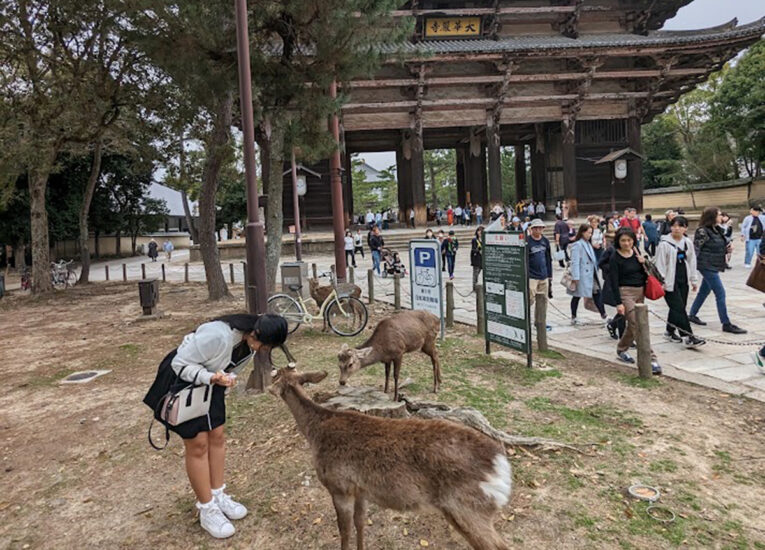
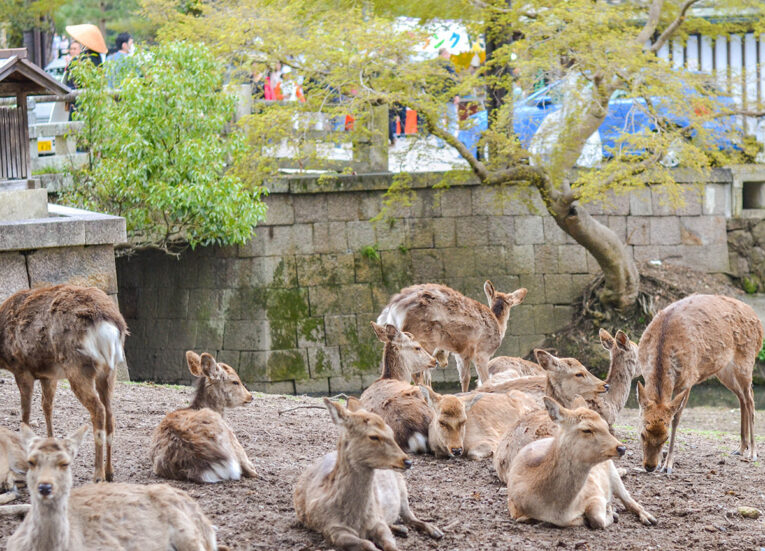
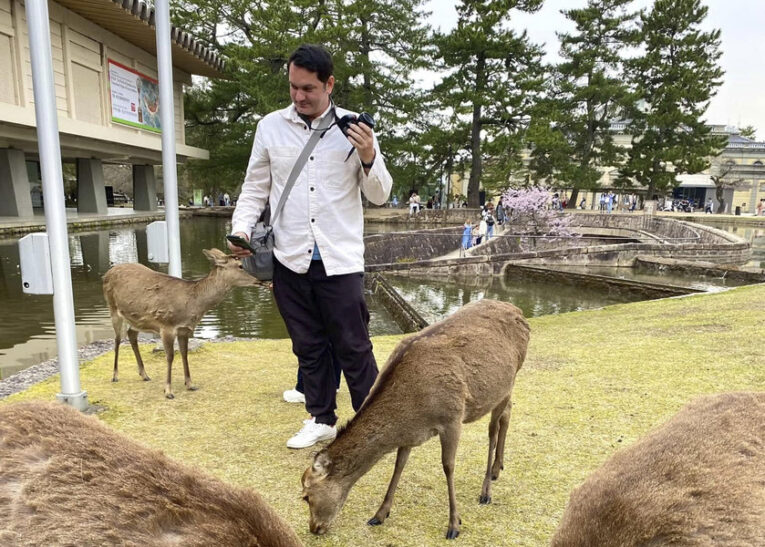
Nara was another stop squeezed into an already ridiculous day of travelling from Osaka including a side quest for a Sakura festival at Wakayama Castle. After that, we jumped back on the trains to see Nara and its famous bowing deer. Nara Park is one of Japan’s most recognisable attractions, with hundreds of free-roaming deer wandering among temples, streets and parkland. They are properly wild animals rather than tame park attractions, and the males have their antlers removed each year to reduce the risk of injuries to visitors and other deer. They can also be surprisingly pushy when they spot the special crackers sold around the park. The most memorable sight, however, was Tōdai-ji, a massive wooden temple that made an awesome backdrop for the bowing deer.
18. Hiroshima & Miyajima
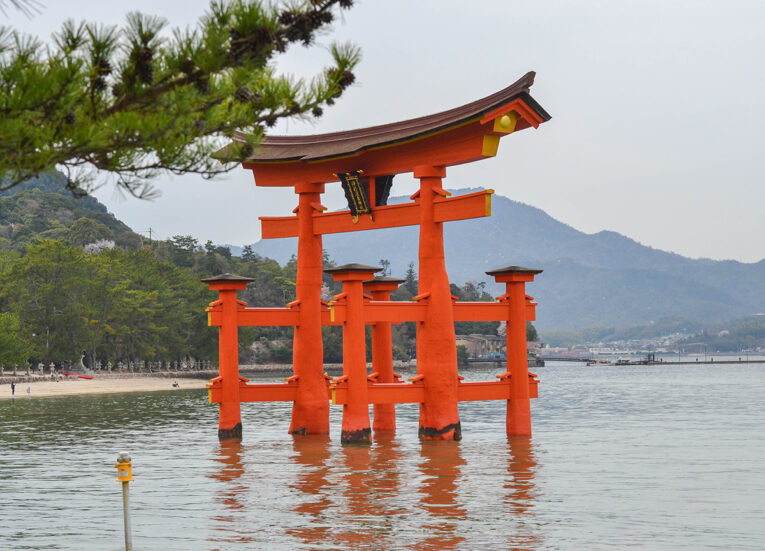
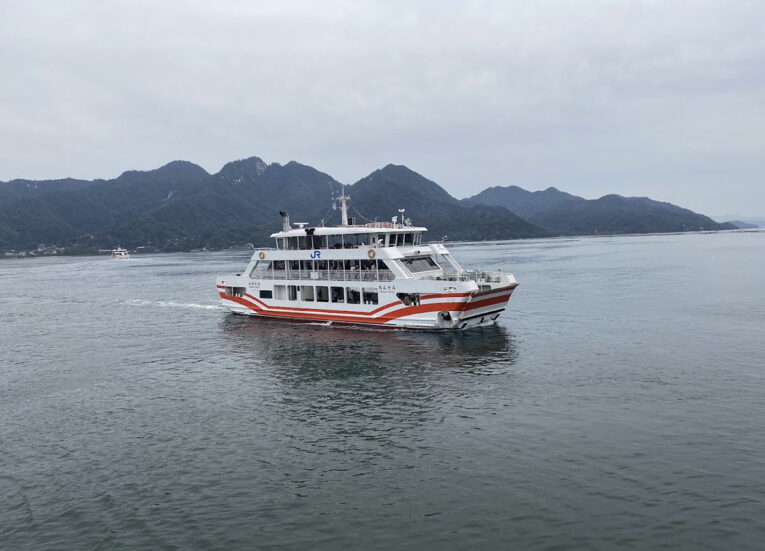
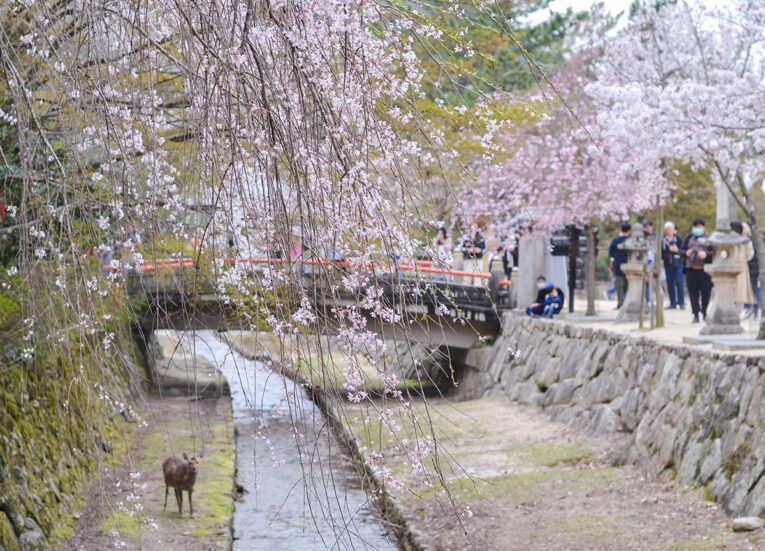
Initially this was only a top 10 list, but after Fanfan insisted on Hiroshima I had to make it 11 and… well, it spiralled from there. We now have 20. Otherwise this was a solo trip after one of us (Fanfan) lost their JR Pass. She travelled on my pass while I stayed back in Osaka, and I was happy enough to let her go as I knew little about Hiroshima beyond the devastation of the atomic bomb. Fanfan absolutely loved it though, or more specifically Miyajima, with its serene coastal charm, temples, famous floating torii gate and wild roaming deer which she had thought were something unique to Nara. So it ended up becoming one of her favourite stops in Japan and, given that it effectively hijacked this entire list, I suppose it deserves its place.
19. Kobe in Kobe (Nearly)
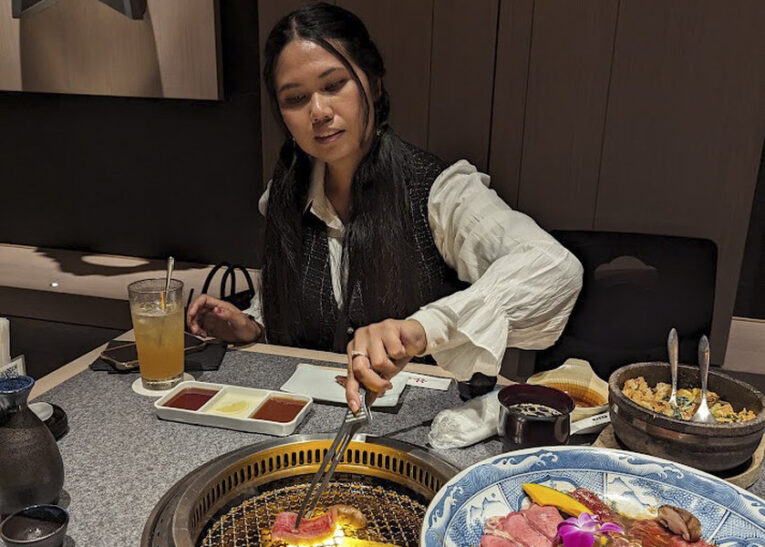
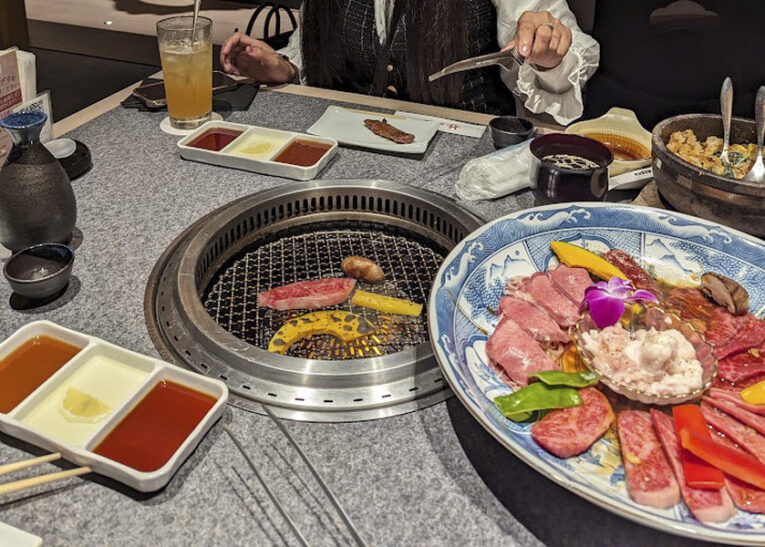
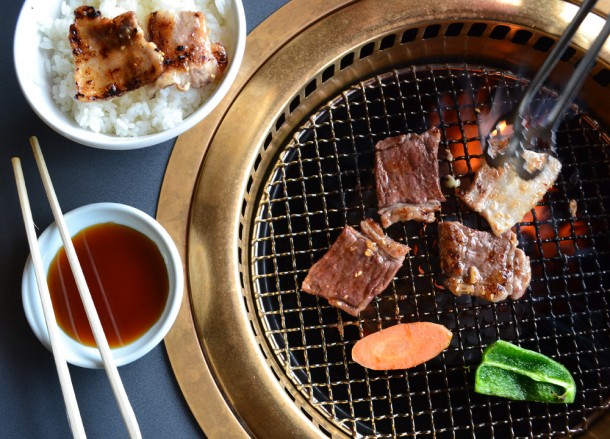
We did have reservations in Kobe, as it’s best to plan in advance, but our visit was unfortunately scuppered after one of us lost their JR Pass (yes, it was Fanfan). So it’s still on our to-do list. However, beef itself in Japan just seems to be next level, be it a simple Yoshinoya beef bowl, through to the highest levels of Wagyu. Otherwise, one of the best food experiences in Japan has to be a Yakiniku barbecue with some Kobe or Wagyu beef. Yakiniku basically means “grilled meat” where the cooking is part of the experience. A small charcoal or gas grill sits in the middle of the table, with thin slices of beef brought out raw for you to cook yourself, normally just a few seconds on either side. With good Wagyu you really don’t need much more than a little dipping sauce or salt and it’s a great way to try several different cuts without committing to one huge steak.
20. Ghibli Park
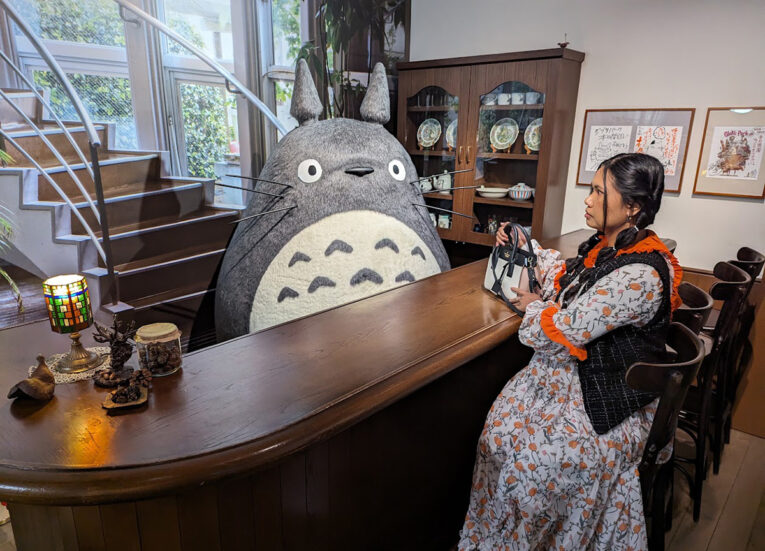
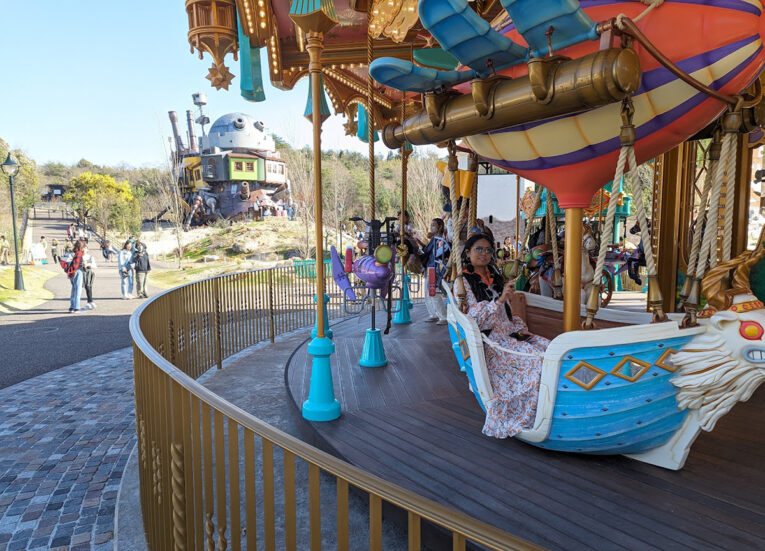
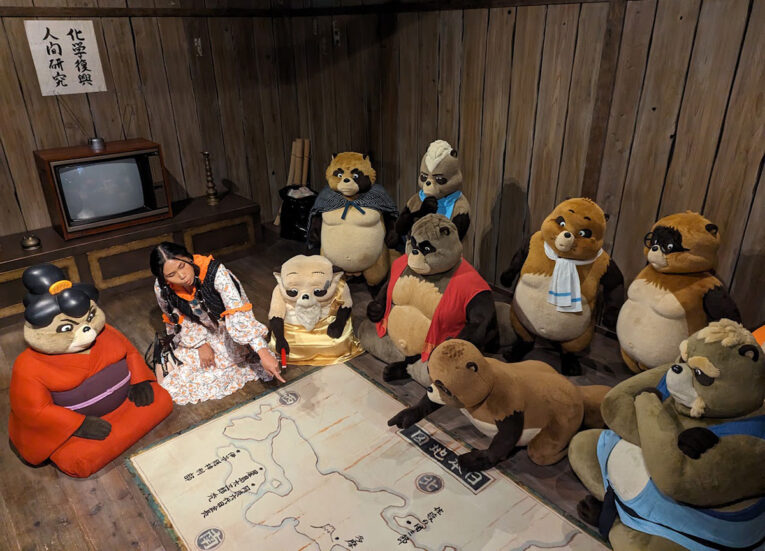
I’ve always dabbled in anime and am a fan of Hayao Miyazaki and Studio Ghibli. The Ghibli Museum in Tokyo was always on my to-do list, and still is, but you really need to book in advance. When Ghibli Park opened, we were determined to make it happen. The booking process was confusing and the location in Aichi is well off the usual tourist path, with Nagoya the nearest Shinkansen station, but it was worth the effort — more so for Fanfan. It’s not really a theme park, bar the occasional carousel or fairground ride. Instead, it’s more about exhibitions and recreations from the films, with full-size buildings, detailed interiors and familiar scenes scattered throughout the park. Ghibli’s Grand Warehouse is the main attraction, packed with characters, props and photo spots, while other areas bring films like My Neighbour Totoro and Princess Mononoke to life. The fun is less about rides and more about suddenly recognising a house, room or character from one of the films as you wander around.