
Contents
Have you ever asked yourself why food feels so close to the heart in every place and every home?
It is not only about filling the stomach. Food brings comfort, adds rhythm to the day, and helps people feel connected to family, culture, and local life in a very natural way.
Food is part of the daily routine from morning to night. A simple breakfast can start the day with warmth. A home-cooked lunch can bring people together for a short break.
An evening meal can turn into family time where people sit, talk, smile, and enjoy the small moments of life. In many places, food is not treated like a task. It is treated like care, habit, and love shared on a plate.
Food As A Part Of Daily Routine
Food gives structure to the day. Many people start the morning with something light and familiar. It may be rice, bread, fruit, soup, tea, or a warm homemade dish. The type of meal may change from place to place, but the idea stays the same. Morning food helps people begin the day with comfort and ease.
After that, lunch often becomes a pause in the middle of busy hours. In some homes, lunch is quick and simple. In other places, it is one of the main meals of the day.
People may sit with family, friends, or coworkers and enjoy a few calm minutes. This habit makes food feel more meaningful. It is not only about eating. It also gives a short break from work and daily routine.
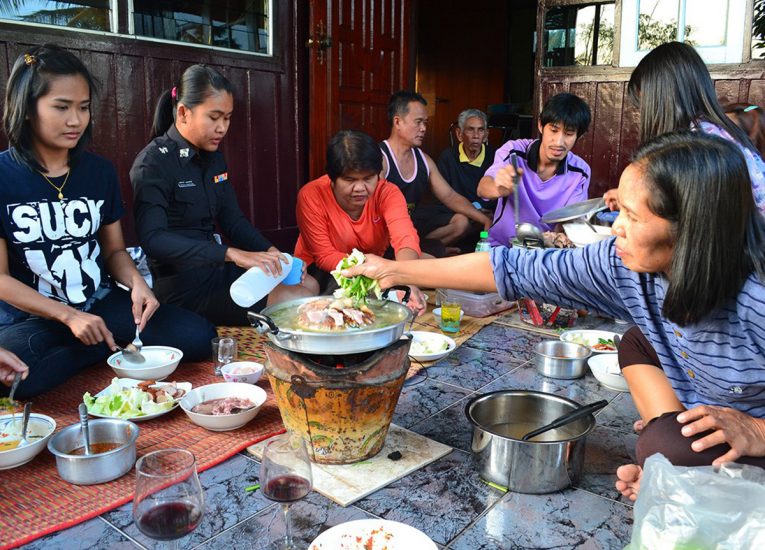
Dinner usually has its own place in home life. Many families wait for this time because everyone can sit together. The table becomes a space for stories, laughter, and normal talk about the day. This simple habit keeps people close.
Morning Meals Set The Mood
Morning food often carries local taste and home habits. In some places, people enjoy bread with butter or jam. In others, rice dishes, eggs, lentils, vegetables, or noodles are common. These meals show that daily food is shaped by climate, farming, and family tradition.
A warm morning meal can feel caring. It tells people the day has started well. That is why even simple food can feel special when it is part of daily life.
Evening Meals Bring People Together
The evening meal is often linked with rest and connection. After a full day, many people like to sit with loved ones and eat slowly. Even when the menu is simple, the feeling matters. A shared meal can make the home feel calm and full of life.
Food And Family Bonds
Food plays a big part in family life. In many homes, recipes are passed from parents to children in a very natural way. Some people do not even learn from written notes. They learn by watching, helping, tasting, and spending time in the kitchen.
This sharing builds memory. A dish made during festivals, a sweet made on special days, or a meal cooked by a grandparent can stay in the mind for years. People may move to new cities or new countries, but food often helps them feel close to home again.
Food also teaches care and patience. When someone cooks for a family, it shows love in a simple action. It may be a packed lunch, a fresh snack after school, or a full meal at night. These small acts make daily life softer and warmer.
Recipes Carry Family Memory
A family recipe is not just about ingredients. It also carries stories. One dish may remind someone of childhood. Another may bring back memories of a holiday, a celebration, or a normal Sunday afternoon. This is why food has emotional value in so many homes.
Cooking Together Builds Closeness
When family members cook together, they spend real time with each other. One person cuts vegetables, another stirs the pot, and someone else sets the table. These simple actions create comfort and connection.
Food As A Reflection Of Local Culture
Every place has its own food habits, and these habits often reflect local life. Climate, land, farming, and local taste all shape the meals people eat every day. In coastal places, seafood may be common. In farming areas, grains, vegetables, and dairy may be part of regular meals.
Food also reflects celebration and tradition. Special dishes are often made during family events and happy occasions. These foods carry meaning because they are linked with joy and togetherness.
Many cultural food traditions are even shared and documented by global organisations, which highlights how food connects people across different cultures.
Daily Dishes Show Local Identity
Daily meals often say more about a place than fancy food. Common home dishes show what people enjoy most in normal life. They also show how local ingredients are used in simple and tasty ways.
Special Foods Add Joy To Celebrations
Many happy events feel more complete with food. Birthdays, weddings, and family gatherings often include dishes made with extra care. These meals create a festive mood and help people feel united.
Food And Social Life
Food is a natural part of social life, too. Friends often meet over tea, snacks, lunch, or dinner. A meal makes conversation feel easy and relaxed.
In many communities, offering food is a sign of respect and warmth. Guests are often welcomed with something to eat or drink. This simple habit makes people feel comfortable and valued.
In today’s digital space, people also write about their food experiences online. Some writers even use tools like chatgpt detector to check how natural their content feels, but real food stories always come from daily life, family habits, and personal experience.
Sharing Food Creates Comfort
When people share a meal, the mood becomes lighter. Even simple food can make a meeting feel warm and easy. This is one reason food stays important in social life.
Food In Modern Daily Life
Today, life moves fast, but food still keeps its place. People may try new recipes, mix old habits with new ideas, or prepare quick meals that still feel comforting. Many homes practically balance tradition and convenience.
At the same time, there is growing interest in fresh ingredients and home cooking. People enjoy food that fits their taste and routine. This shows that food is still much more than a daily need.
Old Habits And New Ideas Work Together
Many people still value traditional meals while also enjoying simple new options. This mix keeps food culture active and fresh in daily life.
Final Thoughts
Food has a strong place in daily life. It gives shape to the day, brings families closer, reflects local culture, and makes social moments feel warm and easy. From a simple breakfast to a shared evening meal, food supports comfort, memory, and togetherness.
No matter where people live, food often stays close to home and habit. That is why understanding food is also a simple way to understand daily life.