
Contents
A traditional bicycle, also known as a regular bicycle, is a transportation tool powered entirely by the rider’s physical effort without relying on any electric system. It is suitable for everyday urban riding, recreational cycling, and athletic training. With its simple structure and flexible design, it can handle various terrains. While traditional bicycles have many advantages, they also come with some drawbacks.
Advantages of Traditional Bikes
- Affordable
Traditional bicycles are relatively low in purchase and maintenance costs. They do not rely on batteries or electric systems, so there are fewer ongoing expenses. The price of a regular bicycle typically ranges from $200 to $700. - Environmentally Friendly
A traditional bicycle relies solely on human power, with no batteries or electric systems, thus reducing environmental pollution. It is an ideal choice for those concerned with sustainability and reducing their carbon footprint. - Lighter Weight
Electric bicycles typically weigh between 15 to 30 kilograms, but due to their lighter frame, traditional bicycles can easily handle various urban roads and terrains, especially in tight city spaces. The frame is typically made from aluminum alloy or steel, which makes it both sturdy and lightweight. - No Battery Limitations
Traditional bicycles do not depend on battery life; the range is entirely determined by the rider’s physical fitness. You can ride for extended periods as long as you have the physical stamina to continue without worrying about battery depletion.
Disadvantages of Traditional Bikes
- Requires More Physical Effort
Traditional bicycles rely entirely on the rider’s physical effort, meaning long rides or uphill cycling can lead to fatigue. The weight of the bike typically ranges from 15 to 30 kilograms, which, though light, still demands significant effort, especially on longer rides or steep slopes. - Slower Speed
Compared to an e bike, a traditional bike is slower. Especially on uphill terrains, they may require more time and energy. Traditional bikes are typically limited by the rider’s physical ability, with top speeds of around 15–20 MPH (24–32 km/h), and they may struggle to maintain high speeds during long rides. - Less Adaptable
While traditional bicycles can handle most urban roads and light terrains, they are less adaptable to more complex or rugged terrain, especially on extended off-road trips. For more challenging terrains like mountain trails, a specialized mountain bike is required. The typical tire width of traditional bikes is between 1.5 and 2.5 inches, suitable for urban and light off-road use but not ideal for difficult mountain or rugged roads. - Not Suitable for Long-Distance Commuting
For those who need to commute long distances, traditional bicycles may not be ideal due to the physical strain. If riders need to cover long distances or complex terrains daily, a traditional bike may be less efficient and comfortable compared to an electric bike. Without the help of an electric system, long-distance riding may lead to fatigue.
Electric Bicycle Advantages and Disadvantages
Advantages of Electric Bikes
- Reduces Physical Effort
The electric system in an e-bike helps reduce the physical effort required while riding, especially on uphill climbs or long-distance rides. The motor provides assistance, making riding more effortless, especially for riders who prefer less physical exertion. - Increases Riding Speed
The top speed of electric bikes typically ranges from 20-28 MPH (32-45 km/h), making them faster than traditional bikes, which is particularly useful for commuting. The electric assist allows riders to reach higher speeds in a shorter amount of time, making it easier to navigate through busy city streets or traffic. - Comfort for Long Rides
Electric bikes provide continuous assistance through the battery and motor system, with a range typically exceeding 30 miles. For those who need to commute for extended periods, an e-bike offers a more comfortable ride. An electric bike with throttle, which makes long-distance riding even more efficient and comfortable. - Adaptability to Complex Terrain
Electric bikes are often equipped with wide tires or suspension systems, making them suitable for long rides and complex terrains like mountain trails and rough roads. The electric system provides extra support to help riders tackle uphill climbs, muddy paths, or other challenging terrains.
Disadvantages of Electric Bikes
- Higher Purchase and Maintenance Costs
Compared to traditional bicycles, electric bikes are more expensive. The cost of the battery and electric system usually puts the price of an e-bike in the range of $800-$3000. Additionally, battery replacements and the maintenance of electric systems add extra costs. - Heavier Frame
Due to the inclusion of a battery and motor, e-bikes are typically heavier, usually weighing between 40-70 pounds (18-32 kg). The added weight can be inconvenient when carrying or storing the bike. However, this weight does not significantly impact the riding experience, as the electric assist helps reduce physical effort. - Long Charging Time
Electric bikes usually require 4 to 6 hours for a full battery charge. This could cause inconvenience for frequent riders who need to recharge their bikes often. While some e-bikes come with fast-charging features, the charging time remains longer compared to the quick readiness of traditional bicycles.
Comparison of Traditional Bicycles and Electric Bicycles
| Comparison Point | Traditional Bicycle | Electric Bicycle (E-bike) |
| Riding Method | Depends on rider’s physical effort, powered entirely by pedaling | Provides electric assist, reducing physical effort |
| Frame Material | Aluminum alloy, steel, carbon fiber, etc. | Aluminum alloy, steel, composite materials |
| Tire Size | 1.5 and 2.5 inches | 2 and 5 inches, depending on the model |
| Gear System | Typically 7-speed to 27-speed transmission | Some models include gear systems, most use electric assistance for acceleration |
| Range | No battery restrictions, depends on rider’s physical strength | Typically 30-60 miles, charging time 4-6 hours |
| Target Audience | People who want regular exercise, health cycling, and have adequate stamina | Riders who want to reduce physical effort, long-distance commuters |
| Cost | Relatively low, only paying for the bike and basic maintenance | Higher, including costs for battery, motor, and charging equipment |
Suggested Usage Scenarios
- Daily Commuting
- Traditional Bicycle: If your commute is short, and you want to maintain physical activity, a traditional bike is a better choice. It’s affordable, great for short commutes, and provides excellent exercise, especially for those who enjoy outdoor activities in the mornings.
- Electric Bicycle: If your commute is longer, or you frequently encounter uphill sections, an electric bike can significantly reduce the effort required. It’s especially convenient for navigating busy urban streets or getting around quickly.
- Long Rides or Uphill Rides
If you’re planning long rides or often need to tackle uphill routes, an electric bike can help ease the physical strain and make long-distance riding more comfortable. - Older Riders or Those with Health Concerns
For older riders or individuals with physical limitations, an electric bike is an excellent choice. It reduces physical strain, allowing them to enjoy cycling without worrying about fatigue.
Considering Purchasing an Electric Bike?
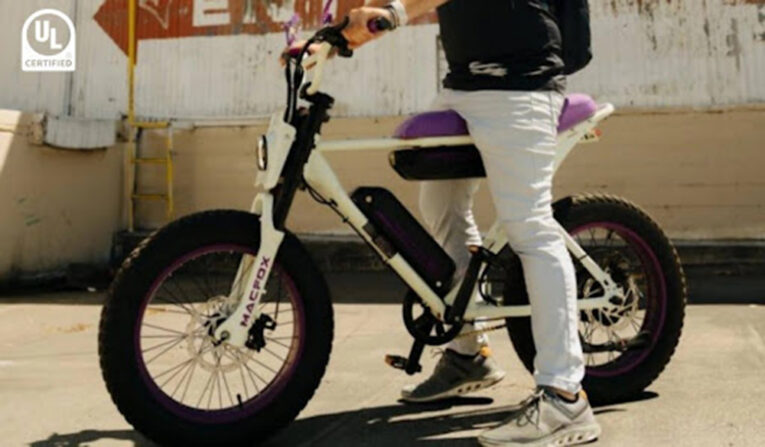
The Macfox X7 Electric Bike is built for riders seeking a practical and adaptable option. It comes with a 500W motor, 48V battery, and 20″ x 5″ rear fat tires, making it suitable for both smooth city streets and uneven terrain. With the option of throttle control or pedal assist, the X7 lets you choose how much effort you want to put into your ride. Offering up to 40 miles of range, it’s a solid choice for commuting or leisurely rides, providing a smooth, efficient, and versatile experience.
Final Recommendation
Ultimately, the choice between a traditional bicycle and an electric bicycle depends on your personal needs. If you want to maintain healthy exercise and your riding routes are relatively simple, a traditional bike is an ideal choice. On the other hand, if you need to handle long rides or complex terrain more easily, an electric bike will provide a better experience. Understanding the advantages of each type of bike and considering your use case will help you make the most of the convenience and enjoyment they offer.